When your car’s air conditioning suddenly starts blowing warm air during a hot summer drive, most people immediately blame the compressor or low refrigerant. But after dealing with AC problems in several vehicles over the years, I learned that one small component often gets overlooked: the expansion valve.
The expansion valve may be tiny, but it plays a huge role in keeping your car cabin cool and comfortable. When it starts failing, the symptoms can feel confusing because they mimic other AC system problems.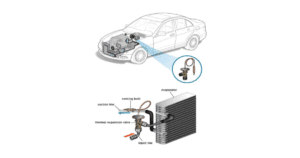 I personally ignored the early warning signs in one of my older sedans, thinking it only needed a refrigerant recharge. A few weeks later, the AC compressor failed, turning a minor repair into an expensive one.
That experience taught me how important it is to recognize bad car expansion valve symptoms early. In this detailed guide, I’ll explain:
- What an AC expansion valve does
- The most common failure symptoms
- Causes of valve failure
- Diagnostic tips
- Repair costs
- Whether you should replace it yourself
- A complete buyer’s guide
- FAQs drivers constantly ask
If your car’s AC has been acting strange lately, this article could save you from a costly repair bill.
What Is a Car AC Expansion Valve?
The expansion valve is a crucial component in your vehicle’s air conditioning system. Its main job is controlling the amount of refrigerant entering the evaporator.
Think of it as a traffic controller for refrigerant flow. The valve:
- Reduces refrigerant pressure
- Regulates refrigerant temperature
- Maintains proper cooling efficiency
- Prevents evaporator freezing
- Protects the compressor
Without a properly working expansion valve, your entire AC system struggles to maintain stable temperatures.
Most Common Bad Car Expansion Valve Symptoms
Here are the major warning signs you should never ignore.
1. AC Blowing Warm Air
This is usually the first symptom drivers notice. If the expansion valve becomes clogged or stuck, refrigerant can’t flow properly through the evaporator. As a result:
- Cabin air becomes warm
- Cooling becomes inconsistent
- AC loses efficiency
Sometimes the air starts cold and gradually turns warm while driving. I experienced this exact issue in traffic on a humid afternoon. The AC worked fine for about 10 minutes before suddenly feeling like a fan instead of an air conditioner.
2. Frost on AC Vents or Components
A failing expansion valve can allow too much refrigerant into the evaporator. This causes:
- Evaporator freezing
- Frost buildup
- Ice formation near AC lines
- Frozen vents
If you notice visible ice under the hood near the AC tubing, the expansion valve may be stuck open.
3. Fluctuating Cabin Temperatures
One minute, the AC feels cold. The next minute it’s warm. This inconsistent cooling often points directly toward an expansion valve malfunction because refrigerant flow becomes unstable.
Symptoms include:
- Random temperature changes
- Uneven cooling
- AC cycling unpredictably
4. Weak Airflow from Vents
Although weak airflow can come from a blower motor issue, it may also happen when the evaporator freezes due to valve problems.
Ice blocks airflow through the evaporator core, making vents feel weak. You may notice:
- Reduced airflow
- Temporary improvement after shutting the AC off
- Airflow worsening over time
5. Strange Noises from the AC System
Bad expansion valves sometimes create unusual sounds, including:
- Hissing
- Whistling
- Clicking
- Bubbling noises
These sounds happen because refrigerant pressure becomes abnormal inside the system.
6. AC Compressor Constantly Running
The expansion valve helps maintain pressure balance. When it fails, the compressor may:
- Run continuously
- Short cycle repeatedly
- Overwork itself
This can eventually destroy the compressor if ignored for too long.
7. High Cabin Humidity
A healthy AC system removes moisture effectively. When the valve fails:
- Humidity remains high
- Windows fog easier
- The cabin feels sticky
This symptom often appears alongside poor cooling.
Quick Comparison Table: Healthy vs Bad Expansion Valve Symptoms
| Feature | Healthy Expansion Valve | Bad Expansion Valve |
| Cabin Cooling | Consistent cold air | Warm or fluctuating air |
| Refrigerant Flow | Stable and controlled | Restricted or excessive |
| Evaporator Condition | Proper temperature | Frozen or overheated |
| Compressor Operation | Smooth cycling | Constant running or short cycling |
| AC Vent Airflow | Strong airflow | Weak airflow |
| Noise Levels | Quiet operation | Hissing or bubbling sounds |
| Fuel Efficiency | Normal | Slight decrease |
| Cabin Humidity | Comfortable | Humid and sticky |
What Causes an Expansion Valve to Fail?
Expansion valves usually last many years, but several things can damage them.
Contaminated Refrigerant
Dirty refrigerant is one of the biggest causes. Metal debris, moisture, and dirt can clog internal valve passages. This commonly happens after:
- Compressor failure
- Poor AC servicing
- Cheap refrigerant use
Moisture Inside the AC System
Moisture creates corrosion and ice buildup. Over time, this damages valve internals and disrupts refrigerant flow.
Wear and Tear
Like any mechanical component, expansion valves eventually wear out. Internal springs and moving parts lose precision over time.
Manufacturing Defects
Low-quality aftermarket parts sometimes fail early. Cheap valves may:
- Stick open
- Stick closed
- Leak internally
Excessive Heat
Engine bay heat can damage sensitive AC components, especially in older vehicles.
Symptoms of a Stuck Open Expansion Valve
When stuck open, too much refrigerant enters the evaporator. Symptoms include:
- Frozen evaporator
- Ice on AC lines
- Extremely cold vents initially
- Reduced airflow later
- Compressor strain
This condition can severely damage your compressor if ignored.
Symptoms of a Stuck Closed Expansion Valve
When stuck closed, refrigerant flow becomes restricted. You’ll notice:
- Warm air
- Poor cooling
- High pressure readings
- Compressor overheating
This issue can quickly reduce AC performance entirely.
How Mechanics Diagnose a Bad Expansion Valve
Diagnosing AC issues isn’t always straightforward because multiple components create similar symptoms. Professional mechanics typically check:
Refrigerant Pressure Readings
Using AC manifold gauges, technicians measure:
- High-side pressure
- Low-side pressure
Abnormal readings often indicate valve restriction.
Temperature Measurements
Technicians inspect temperature differences across:
- AC lines
- Evaporator
- Condenser
Large inconsistencies suggest valve malfunction.
Visual Inspection
Mechanics inspect for:
- Ice buildup
- Refrigerant leaks
- Corrosion
- Debris contamination
System Performance Testing
Modern diagnostic tools can monitor:
- Compressor cycling
- Pressure fluctuations
- Refrigerant behavior
Can You Drive with a Bad Expansion Valve?
Technically yes. But it’s risky long-term. Ignoring the issue can lead to:
- Compressor failure
- Evaporator damage
- Higher repair costs
- Refrigerant leaks
If your AC only blows warm air occasionally, you may still drive safely. But if the compressor begins making noise or freezing occurs, repair should happen quickly.
Expansion Valve Replacement Cost
Repair costs vary depending on vehicle type and labor complexity.
Average Repair Costs
| Repair Item | Estimated Cost |
| Expansion Valve Part | $50 – $250 |
| Labor Cost | $150 – $500 |
| Refrigerant Recharge | $100 – $250 |
| Total Repair | $300 – $900 |
Luxury vehicles often cost much more because dashboard removal may be required.
Is Replacing an Expansion Valve Difficult?
In some cars, the valve is easy to access. In others, it’s buried deep behind the dashboard. DIY replacement may involve:
- Refrigerant recovery
- AC line disconnection
- O-ring replacement
- Vacuum evacuation
- Refrigerant recharge
Without proper equipment, DIY work becomes difficult.
My Personal Experience with Expansion Valve Failure
A few years ago, I owned an older midsize sedan that developed inconsistent cooling during the summer. At first:
- The AC blew cold briefly
- Then warm air appeared
- Sometimes the airflow weakened
I assumed the refrigerant was low. After adding refrigerant, the cooling improved for only a few days. Soon afterward:
- Ice formed near the firewall
- The compressor started clicking loudly
- Cabin cooling became terrible
The mechanic discovered the expansion valve was partially clogged. Unfortunately, the struggling compressor eventually failed, too. That repair bill was painful.
Since then, I’ve learned that early diagnosis matters enormously with AC systems.
Signs You Need Immediate Repair
Some symptoms should never be ignored. Seek repair quickly if you notice:
- Loud compressor noises
- Ice-covered AC lines
- Burning smells
- Complete AC failure
- Refrigerant leaks
- Rapid pressure cycling
These may indicate severe valve or compressor stress.
Expansion Valve vs Orifice Tube
Some cars use an expansion valve while others use an orifice tube. Here’s the difference.
| Feature | Expansion Valve | Orifice Tube |
| Refrigerant Control | Variable | Fixed |
| Efficiency | Better | Simpler |
| Cooling Precision | High | Moderate |
| Cost | More expensive | Cheaper |
| Common In | Modern vehicles | Older vehicles |
| Failure Symptoms | Fluctuating cooling | Constant poor cooling |
How to Prevent Expansion Valve Problems
Preventive maintenance helps significantly.
Service the AC System Regularly
Periodic AC inspections can catch problems early.
Use Quality Refrigerant
Cheap refrigerants may contain contaminants.
Always use manufacturer-approved refrigerant.
Replace the Receiver Drier
Whenever major AC components fail, replace the dryer too.
It absorbs moisture and protects the system.
Run the AC Regularly
Even during winter, running the AC occasionally keeps seals lubricated.
Buyer’s Guide: Choosing the Right Expansion Valve
If you need replacement parts, selecting the right valve matters greatly.
Here’s what to consider.
OEM vs Aftermarket
OEM Expansion Valves
Pros:
- Exact fit
- Reliable performance
- Better durability
Cons:
- More expensive
Aftermarket Expansion Valves
Pros:
- Lower cost
- Wider availability
Cons:
- Variable quality
For long-term reliability, I usually recommend OEM when affordable.
Material Quality
Look for:
- Corrosion-resistant metals
- Precision machining
- Quality seals
Cheap materials often fail early.
Compatibility
Always verify:
- Vehicle make
- Model
- Year
- Engine type
Wrong valves create major cooling problems.
Brand Reputation
Trusted manufacturers generally produce better reliability. Avoid suspicious ultra-cheap options online.
Warranty Coverage
Good warranties indicate manufacturer confidence. Look for:
- Minimum 1-year coverage
- Defect protection
- Replacement guarantees
Warning Signs After Replacement
Even after installing a new valve, problems may continue if:
- Refrigerant charge is incorrect
- Compressor damage already exists
- Contamination remains inside the system
- AC lines contain debris
Always flush contaminated systems thoroughly.
Can a Bad Expansion Valve Damage the Compressor?
Absolutely. This is one of the biggest dangers. A failing valve disrupts refrigerant pressure balance, forcing the compressor to work harder.
This can lead to:
- Overheating
- Internal wear
- Lubrication failure
- Compressor seizure
That’s why early diagnosis saves money.
How Long Does an Expansion Valve Last?
Most expansion valves last:
- 8–15 years
- 100,000+ miles in many vehicles
However, lifespan depends heavily on:
- Maintenance quality
- Refrigerant cleanliness
- Driving conditions
- Climate
Hot climates tend to stress AC systems more heavily.
Should You Replace Other Components Too?
Sometimes yes. Especially if contamination exists. Mechanics often recommend replacing:
- Receiver drier
- O-rings
- Compressor (if damaged)
- Condenser (after compressor failure)
This prevents repeat failures.
Common Misdiagnoses
Expansion valve symptoms often get confused with:
| Actual Problem | Similar Symptoms |
| Low Refrigerant | Warm air |
| Weak Compressor | Poor cooling |
| Blower Motor Failure | Weak airflow |
| Clogged Cabin Filter | Reduced airflow |
| Condenser Problems | Inconsistent cooling |
This is why professional diagnosis helps.
Seasonal Effects on Expansion Valve Problems
Summer heat usually exposes valve problems faster because AC systems work harder. You may notice:
- Weak cooling during traffic
- Better cooling at highway speeds
- Sudden warm air during hot afternoons
Winter symptoms are often less noticeable.
Can Low Refrigerant Mimic a Bad Expansion Valve?
Yes. Both conditions can create:
- Warm air
- Weak cooling
- Pressure abnormalities
That’s why pressure testing is critical before replacing parts unnecessarily.
DIY Diagnostic Tips
Here are a few simple checks drivers can perform safely.
Feel the AC Lines
If one line freezes while another stays warm, refrigerant flow may be abnormal.
Watch Compressor Cycling
Rapid on/off cycling often indicates pressure issues.
Inspect for Frost
Visible frost near the evaporator area is a major clue.
Monitor Temperature Changes
Inconsistent cooling strongly suggests valve regulation issues.
Is Expansion Valve Failure Common?
Not extremely common, but definitely not rare either. Vehicles with:
- High mileage
- Poor maintenance
- Previous compressor failureThey
are much more likely to develop valve issues.
Read More: Is Mobil 1 good oil | Is Mobil 1 good oil filter
FAQs: Bad Car Expansion Valve Symptoms
What happens when a car’s expansion valve goes bad?
A faulty expansion valve disrupts refrigerant flow, causing poor cooling, frozen evaporators, compressor stress, and inconsistent AC performance.
Can a bad expansion valve cause warm air?
Yes. Restricted refrigerant flow often leads to warm or weak airflow from the vents.
How much does it cost to replace an AC expansion valve?
Most repairs cost between $300 and $900, depending on vehicle type and labor requirements.
Can I drive with a bad expansion valve?
You can temporarily, but prolonged driving may damage the compressor and increase repair costs.
Will low refrigerant damage the expansion valve?
Indirectly, yes. Low refrigerant may allow moisture contamination and improper system lubrication.
Can expansion valves be cleaned?
Sometimes minor contamination can be flushed out, but replacement is usually more reliable.
How long does replacement take?
Most jobs require 2–6 hours, depending on valve accessibility.
Is expansion valve replacement worth it?
Absolutely. Replacing a failing valve early may prevent expensive compressor damage.
Why does my AC freeze up?
A stuck-open expansion valve may allow excessive refrigerant flow, causing evaporator freezing.
Does every car have an expansion valve?
No. Some vehicles use an orifice tube instead of an expansion valve.
Final Thoughts
A bad expansion valve can turn your comfortable drive into a miserable experience surprisingly quickly. The tricky part is that the symptoms often imitate other AC problems, causing many drivers to overlook the real issue until larger components fail.
From personal experience, I’ve learned that catching these warning signs early can prevent expensive compressor damage and major repair bills. The biggest symptoms to watch for are:
- Warm AC air
- Fluctuating temperatures
- Frost buildup
- Weak airflow
- Strange AC noises
If your car shows several of these signs together, the expansion valve deserves serious attention.
Modern car AC systems are complex, but understanding these symptoms gives you a major advantage before problems become catastrophic.