There are few things more frustrating than turning your car key and hearing the engine struggle, shake, or refuse to start altogether. I learned this the hard way during a late-night drive home when my sedan suddenly began misfiring at a traffic light.
The engine sputtered, the check engine light flashed aggressively, and the car barely limped into a parking lot. At first, I assumed it was the battery. Then maybe bad spark plugs.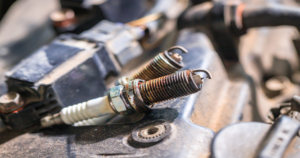 But after some troubleshooting, the real culprit turned out to be a failing ignition coil. If you’re here, chances are you’re dealing with similar symptoms and wondering:
“Can I still start my car with a bad ignition coil?” The short answer is: sometimes yes, temporarily, depending on how badly the coil has failed.
In this guide, I’ll walk you through:
- What an ignition coil actually does
- Signs your coil is failing
- How to start a car with a bad ignition coil
- Temporary emergency fixes
- Risks of driving with a bad coil
- Best replacement options
- Buyer’s guide for ignition coils
- FAQs and expert tips
This article is written in plain English for everyday drivers, not mechanics.
What Does an Ignition Coil Do?
The ignition coil is essentially a transformer. It converts your car battery’s low voltage into the high voltage needed to ignite the fuel-air mixture inside the engine cylinders.
Without a properly functioning ignition coil:
- Spark plugs won’t fire correctly
- Fuel won’t ignite efficiently
- The engine may misfire or fail to start
Modern cars often use:
- Coil-on-plug systems
- Distributor-based coils
- Coil packs
If even one coil goes bad, the engine can run rough. If multiple coils fail, the car may not start at all.
Common Signs of a Bad Ignition Coil
Before trying emergency startup methods, it’s important to confirm that the ignition coil is likely the issue.
Typical Symptoms
1. Engine Misfires
The engine shakes, stutters, or jerks while driving.
2. Rough Idling
The car vibrates unusually while parked.
3. Difficulty Starting
The engine cranks but struggles to ignite.
4. Poor Fuel Economy
Unburned fuel reduces efficiency.
5. Check Engine Light
Common diagnostic codes include:
- P0351
- P0300
- P0301–P0312
6. Backfiring
Fuel ignites improperly inside the exhaust system.
7. Sudden Power Loss
Acceleration becomes sluggish.
Can You Start a Car With a Bad Ignition Coil?
Yes, but it depends on the severity of the failure.
Situations Where the Car May Still Start
- Only one coil is failing
- The coil is weak, not completely dead
- Engine temperature affects the coil intermittently
- Multi-cylinder engines compensate temporarily
Situations Where It Probably Won’t Start
- Total coil pack failure
- Multiple bad coils
- No spark reaching cylinders
- Severe flooding from unburned fuel
Quick Comparison Table: Symptoms vs Severity
| Symptom | Likely Coil Condition | Can the car still start? | Recommended Action |
| Slight misfire | Weak coil | Usually yes | Replace soon |
| Rough idle | Failing coil | Often yes | Diagnose immediately |
| The engine cranks but does not start | Dead coil | Sometimes no | Test spark |
| Flashing check engine light | Severe misfire | Risky | Avoid driving |
| Strong fuel smell | No combustion | Unlikely | Stop attempting starts |
| Sudden stalling | Coil overheating | Possibly after cooling | Replace ASAP |
How To Start a Car With a Bad Ignition Coil
Now let’s get into the practical side. These methods are temporary solutions intended only to help you get home or reach a repair shop safely.
Method 1: Let the Engine Cool Down
This surprisingly works more often than people expect.
Why It Helps
Ignition coils often fail when hot. Internal electrical resistance increases with temperature. When the engine cools:
- The coil regains partial conductivity
- Spark output temporarily improves
What To Do
- Turn the engine off completely
- Wait 15–30 minutes
- Try starting again
My Experience
I once managed to restart my car three separate times using this method alone before replacing the coil the next morning.
Method 2: Press the Gas Pedal Slightly While Starting
This can help if excess fuel has flooded the cylinders.
Steps
- Turn the key while gently pressing the accelerator
- Don’t floor it completely
- Maintain light throttle input
Why It Works
A weak coil may still generate enough spark if:
- Fuel-air mixture improves
- Engine RPM increases slightly
This method sometimes helps older vehicles more than newer ones.
Method 3: Disconnect the Faulty Coil (Advanced)
This works mainly on engines with individual coil packs.
Important Warning
Only attempt this if:
- You know which coil is bad
- You understand basic engine safety
Steps
- Turn the engine off
- Locate ignition coils
- Disconnect the suspected failed coil
- Restart engine
Why This Helps
A completely failed coil can disrupt engine timing and combustion balance. Disconnecting it may allow the ECU to stabilize the remaining cylinders.
Downsides
- Reduced engine power
- Rough running
- Increased emissions
Only use this as a temporary emergency solution.
Method 4: Replace the Spark Plug Temporarily
Sometimes the coil isn’t the only issue.
A worn spark plug can worsen coil problems dramatically.
Quick Fix
If you have:
- Spare plugs
- Basic tools
Replacing the plug may reduce startup difficulty enough to get moving.
Method 5: Use Starting Fluid Carefully
This is an emergency-only method.
How It Works
Starting fluid ignites more easily than gasoline.
Basic Process
- Remove intake hose
- Spray a small amount into the intake
- Attempt startup
Warning
Too much starting fluid can:
- Damage the engine
- Cause dangerous backfires
- Harm sensors
Use sparingly.
Personal Review: What Happened When My Ignition Coil Failed
My experience taught me how deceptive ignition coil problems can be. Initially, the symptoms felt minor:
- Slight hesitation
- Rough idle
- Occasional shaking
Then things escalated quickly. Within two days:
- Fuel economy dropped badly
- The engine misfired under acceleration
- Starting became inconsistent
The worst part was uncertainty. The car would start fine one moment and completely fail the next.
After scanning the check engine code, I replaced the faulty coil myself. The difference was immediate:
- Smooth idle
- Faster startup
- Better throttle response
- No more warning lights
What surprised me most was how inexpensive the fix actually was compared to the stress it caused.
Ignition Coil Comparison Table
| Ignition Coil Type | Durability | Performance | Price Range | Best For |
| OEM Coil | Excellent | Factory-level | Medium-High | Daily drivers |
| Aftermarket Economy | Moderate | Acceptable | Low | Budget repairs |
| Performance Coil | High | Enhanced spark | High | Tuned engines |
| Coil Pack Systems | Good | Reliable | Medium | Older vehicles |
| Coil-on-Plug Systems | Excellent | Precise ignition | Medium-High | Modern cars |
Is It Safe To Drive With a Bad Ignition Coil?
Usually, no. While the car might still move, driving with a bad coil can cause expensive damage.
Potential Risks
1. Catalytic Converter Damage
Unburned fuel overheats the converter.
2. Engine Damage
Repeated misfires stress internal components.
3. Sudden Stalling
The engine may shut off unexpectedly.
4. Poor Fuel Economy
You’ll waste fuel rapidly.
5. Dangerous Driving Conditions
Loss of power during overtaking can be risky.
Temporary Tricks That Sometimes Help
These aren’t guaranteed, but drivers often report temporary improvement.
Battery Reset
Disconnect battery terminals for 10 minutes to reset ECU behavior.
Fuel Injector Cleaner
May improve combustion if deposits exist.
Drying Moisture
Rain or humidity can worsen weak coils. Drying the engine bay carefully may help.
Tightening Connections
Loose wiring around the coil can mimic failure symptoms.
Tools Helpful for Diagnosing Ignition Coil Problems
Here are a few affordable tools worth keeping in your car.
| Tool | Purpose | Difficulty Level |
| OBD2 Scanner | Reads engine codes | Easy |
| Spark Tester | Confirms spark output | Medium |
| Multimeter | Tests coil resistance | Medium |
| Socket Set | Removes coils/plugs | Easy |
| Dielectric Grease | Protects electrical contacts | Easy |
Buyer’s Guide: Choosing the Right Ignition Coil
Replacing an ignition coil sounds simple, but choosing the wrong one can create more problems. Here’s what matters most.
1. OEM vs Aftermarket
OEM (Original Equipment Manufacturer)
Pros
- Exact compatibility
- Reliable lifespan
- Better quality control
Cons
- More expensive
Aftermarket
Pros
- Lower cost
- Wide availability
Cons
- Inconsistent quality
For daily reliability, OEM usually wins.
2. Compatibility Matters
Always verify:
- Engine size
- Model year
- VIN compatibility
Even slight differences can cause:
- Misfires
- Poor timing
- ECU issues
3. Heat Resistance
Cheap coils often fail early from heat exposure.
Look for:
- Epoxy-filled construction
- High-temperature ratings
- Silicone insulation
4. Warranty Coverage
Good manufacturers typically offer:
- 1-year warranty
- Limited lifetime warranty
Avoid coils with no warranty at all.
5. Brand Reputation
Reliable brands often include:
- Denso
- Bosch
- NGK
- Delphi
- Motorcraft
Cheap, no-name coils can fail within months.
DIY Ignition Coil Replacement Guide
Replacing a coil is easier than many people think.
Basic Steps
- Disconnect battery
- Remove engine cover
- Locate ignition coils
- Disconnect the electrical connector
- Remove the retaining bolt
- Pull out the old coil
- Insert a new coil
- Reconnect everything
Most jobs take:
- 15–45 minutes
Cost of Replacing an Ignition Coil
DIY Replacement
| Item | Average Cost |
| Single coil | $40–$120 |
| Spark plug set | $20–$60 |
| Tools | $30–$80 |
Professional Repair
| Service | Typical Cost |
| Coil replacement | $150–$400 |
| Diagnostic fee | $50–$150 |
| Full tune-up | $300–$700 |
Luxury vehicles usually cost more.
Why Ignition Coils Fail
Understanding the causes can help prevent future breakdowns.
Common Causes
Heat
Constant engine heat breaks down insulation.
Worn Spark Plugs
Bad plugs overload the coil.
Oil Leaks
Valve cover leaks damage coil boots.
Moisture
Water intrusion causes short circuits.
Vibration
Engine movement weakens internal wiring.
How Long Do Ignition Coils Last?
Most last:
- 60,000–100,000 miles
Some fail earlier due to:
- Extreme temperatures
- Poor maintenance
- Cheap aftermarket parts
Preventive Maintenance Tips
Replace Spark Plugs on Schedule
This greatly reduces coil stress.
Fix Oil Leaks Quickly
Oil contamination destroys ignition components.
Avoid Cheap Fuel
Poor combustion increases ignition strain.
Scan Codes Early
Don’t ignore warning lights.
Keep Battery Healthy
Weak voltage affects ignition performance.
When You Should Stop Driving Immediately
Do not continue driving if you notice:
- Flashing check engine light
- Strong gasoline smell
- Severe shaking
- Loud backfiring
- Engine overheating
- Complete power loss
At this point, towing is safer than risking engine damage.
Emergency Roadside Checklist
If stranded with suspected coil failure:
Try These Steps
- Let the engine cool
- Restart gently
- Check loose connectors
- Scan codes if possible
- Disconnect the dead coil if known
- Avoid hard acceleration
- Drive a short distance only
What I Wish I Knew Earlier
Looking back, the warning signs were there:
- Occasional rough starts
- Random hesitation
- Small drops in MPG
I ignored them because the car still “mostly worked.”
That’s the trap with ignition coils.
They often fail gradually before dying completely.
Replacing the coil earlier would have:
- Saved stress
- Improved fuel economy
- Prevented roadside trouble
Read More: How To Open Engine Hood
FAQs: How To Start Car With Bad Ignition Coil
Can a car crank but not start because of a bad ignition coil?
Yes. If the coil cannot generate a sufficient spark, combustion won’t occur.
Will a bad ignition coil drain the battery?
Not directly, but repeated failed startup attempts can drain the battery quickly.
How do I know which ignition coil is bad?
Use:
- OBD2 scanner
- Misfire codes
- Coil swap testing
- Spark tester
Can I drive 100 miles with a bad ignition coil?
It’s risky. You may damage the catalytic converter or experience sudden stalling.
Does replacing spark plugs fix ignition coil problems?
Sometimes partially, but a damaged coil usually still requires replacement.
Can cold weather affect ignition coils?
Yes. Weak coils often fail more noticeably in cold or damp conditions.
Should I replace all ignition coils at once?
Not always. But if multiple coils are old, replacing the full set may improve reliability.
Is a flashing check engine light serious?
Yes. It usually indicates active misfires that can damage the engine or catalytic converter.
Can a bad ignition coil cause transmission-like symptoms?
Yes. Misfires can feel similar to transmission slipping or jerking.
What happens if I ignore a bad ignition coil?
You risk:
- Catalytic converter failure
- Poor performance
- Increased fuel consumption
- Engine damage
- Complete breakdown
Final Thoughts
A bad ignition coil can turn a perfectly reliable car into an unpredictable headache overnight. The good news is:
- The problem is usually diagnosable
- Temporary startup methods sometimes work
- Repairs are often straightforward
If your car still starts, treat it as a short-term opportunity to get proper repairs, not a long-term solution. Driving too long with a failing coil can lead to far more expensive repairs later.
In my experience, replacing the coil promptly is one of the best “small repairs” you can make before it snowballs into bigger engine problems.