If you’ve ever lightly bumped into something while parking (no judgment, I’ve been there), you’ve probably noticed that modern car bumpers don’t behave like the old chrome bars you see in vintage cars.
Instead of denting like metal, they flex, absorb impact, and often spring back into shape. That’s not an accident, it’s engineering. Car bumpers today are carefully designed safety systems. They’re not just there to “look nice” or protect paint;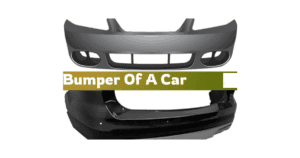 They play a crucial role in absorbing impact, protecting passengers, and reducing repair costs. Over the years, automakers have shifted from heavy metal bumpers to lightweight, flexible materials that balance safety, durability, and cost.
In this guide, I’ll break down exactly what car bumpers are made of, how those materials work, and what that means for you as a driver or buyer.
I’ll also include a comparison table, a practical buyer’s guide, and FAQs to cover everything you might be wondering.
The Short Answer: What Are Car Bumpers Made Of?
Modern car bumpers are usually made from a combination of materials, not just one:
- Thermoplastic polymers (like polypropylene) – the outer cover
- Energy absorbers (foam or honeycomb structures) – the shock-absorbing layer
- Reinforcement bars (steel or aluminum) – the structural backbone
Think of a bumper like a layered sandwich; each layer has a job.
Breaking Down the Layers of a Car Bumper
1. The Outer Cover (Thermoplastics)
This is the part where you see the painted surface. Most modern bumpers use:
- Polypropylene (PP)
- Thermoplastic Olefins (TPO)
- Polycarbonate blends
Why plastic? (From personal experience and observation):
- It’s lightweight → better fuel efficiency
- It flexes → fewer dents in minor impacts
- It’s cheaper to manufacture and replace
I’ve had a minor scrape where the bumper just popped back into place. That wouldn’t have happened with metal; it would’ve meant a costly repair.
2. Energy Absorber Layer
Hidden behind the outer shell, this layer absorbs impact. Common materials:
- Expanded Polypropylene (EPP) foam
- Expanded Polystyrene (EPS)
- Plastic honeycomb structures
This is what actually reduces the force during a collision.
3. Reinforcement Bar
This is the “muscle” of the bumper system. Materials:
- High-strength steel
- Aluminum
It distributes impact forces across the car frame and prevents serious structural damage.
Comparison Table: Common Bumper Materials
| Material Type | Where It’s Used | Pros | Cons | Best For |
| Polypropylene (PP) | Outer cover | Flexible, cheap, lightweight | Can crack in extreme cold | Everyday cars |
| TPO (Thermoplastic) | Outer cover | Durable, weather-resistant | Slightly more expensive | Mid-range vehicles |
| Polycarbonate Blend | Outer cover | Stronger, impact-resistant | Higher cost | Premium vehicles |
| EPP Foam | Inner absorber | Excellent energy absorption | Adds thickness | Safety-focused designs |
| EPS Foam | Inner absorber | Lightweight, cost-effective | Less durable over time | Budget-friendly cars |
| Steel | Reinforcement bar | Very strong, durable | Heavy | Trucks, older models |
| Aluminum | Reinforcement bar | Lightweight, corrosion-resistant | More expensive | Modern, fuel-efficient cars |
Why Cars No Longer Use Metal Bumpers
Older cars used chrome-plated steel bumpers. They looked tough, but they weren’t actually better.
My Take:
They felt stronger, but:
- They transferred the impact directly to the car frame
- Repairs were expensive and involved bodywork
- They didn’t absorb energy as effectively
Modern bumpers are designed to sacrifice themselves slightly to protect you and the car’s core structure.
How Bumper Materials Affect Safety
This is where things get interesting. Modern bumpers are engineered to:
- Absorb low-speed impacts (like parking bumps)
- Reduce injury risk in higher-speed collisions
- Protect expensive components (radiator, headlights, sensors)
Real-world example:
A plastic bumper might look “cheap,” but it can save you thousands by preventing frame damage.
Environmental Impact: Are Plastic Bumpers Bad?
This is a fair concern.
The Reality:
- Many bumper plastics are recyclable
- Manufacturers are increasingly using eco-friendly composites
- Lightweight materials improve fuel efficiency → lower emissions
That said, not all bumpers are recycled properly, especially in developing regions.
Buyer’s Guide: What to Look for in a Car Bumper
If you’re buying a car or replacing a bumper, here’s what actually matters:
1. Material Quality
Look for:
- TPO or polycarbonate blends for durability
- Avoid very thin, brittle plastics
2. Impact Resistance
Ask:
- Does it include a proper energy absorber layer?
- Is the reinforcement bar aluminum or steel?
3. Repair vs Replacement Cost
From experience:
- Flexible bumpers = cheaper repairs
- Rigid materials = more expensive fixes
4. Climate Compatibility
If you live in colder areas:
- Some plastics become brittle
- Look for cold-resistant materials like TPO
5. Sensor Compatibility
Modern bumper house:
- Parking sensors
- Cameras
- Radar systems
Make sure replacements support these features.
My Personal Review: Are Modern Bumpers Better?
Honestly? Yes, but with trade-offs.
What I Like:
- They handle minor impacts really well
- They’re cheaper to fix in many cases
- They improve fuel efficiency
What I Don’t Like:
- They can scratch easily
- Cosmetic damage happens faster
- Some feel less “solid” than old metal bumpers
Final Verdict:
Modern bumpers are smarter, not tougher. They’re designed to protect what matters most: you and the car’s structure.
Deep Dive: Why Polypropylene Dominates
Polypropylene (PP) is everywhere in car bumpers, and for good reason:
- It’s flexible but strong
- Resistant to chemicals and moisture
- Easy to mold into complex shapes
- Cost-effective for mass production
Manufacturers often mix it with rubber or other materials to improve impact resistance.
How Bumpers Are Manufactured
A simplified look:
- Plastic pellets are melted
- Injection molding shapes the bumper
- Cooling and trimming
- Painting and finishing
- Assembly with foam and reinforcement
This process allows for precise, consistent production.
Common Problems with Car Bumpers
1. Scratches
Very common due to softer materials.
2. Cracks
Happen in:
- Cold weather
- Strong impacts
3. Paint Peeling
Because plastic expands and contracts differently from metal.
Maintenance Tips
From practical experience:
- Use plastic-safe polish
- Avoid harsh chemicals
- Repair small cracks early
- Park carefully (easier said than done, I know)
Future of Car Bumper Materials
The industry is moving toward:
- Smart bumpers with sensors and AI integration
- Self-healing materials
- Fully recyclable composites
Electric vehicles are also influencing bumper design due to different structural needs.
Read More: How To Replace Car Antenna
FAQs: What Are Car Bumpers Made Of
1. Are car bumpers really made of plastic?
Yes, mostly thermoplastic materials like polypropylene, combined with internal reinforcements.
2. Are plastic bumpers safe?
Absolutely. They’re designed to absorb impact better than old metal bumpers.
3. Why do bumpers crack instead of dent?
Because plastic behaves differently, it flexes first, then cracks under stress instead of denting like metal.
4. Can a cracked bumper be repaired?
Yes, depending on severity. Small cracks can often be repaired; large ones may require replacement.
5. Are aluminum bumpers better than steel?
They’re lighter and resist corrosion better, but can be more expensive.
6. Do bumpers affect insurance costs?
Yes. Cars with expensive sensor-integrated bumpers can cost more to repair and insure.
7. How long do bumpers last?
Typically, the life of the car is unless damaged.
8. Are bumpers recyclable?
Many are, but recycling availability depends on location.
Final Thoughts
Car bumpers have come a long way from rigid metal bars to advanced multi-layer systems designed for safety, efficiency, and cost-effectiveness.
They may not look as “tough” as old-school chrome bumpers, but they’re far more intelligent in how they protect both you and your vehicle.
If you take one thing away from this guide, let it be this: A good bumper isn’t about looking strong, it’s about managing impact smartly.