I’ll be honest, checking engine oil used to feel like one of those “optional adult responsibilities” I could ignore. You know, like ironing clothes or reading the terms and conditions.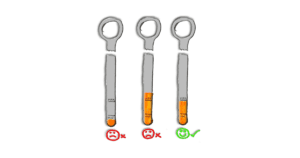 But after one expensive lesson (and a very unhappy engine), I realized something: checking your car’s oil level is one of the easiest ways to avoid serious damage and costly repairs.
The best part? It takes less than 5 minutes, requires zero mechanical expertise, and can literally extend the life of your engine by years. In this guide, I’ll walk you through:
- How to check your oil level step by step
- The differences between checking methods
- Common mistakes people make (I’ve made most of them)
- A comparison of tools and oil types
- A buyer’s guide for choosing the right oil
- And a deep dive into everything you need to know
Let’s get into it.
Step-by-Step: How to Check Your Oil Level
1. Park on a Flat Surface
This is more important than it sounds. If your car is tilted, your oil reading will be inaccurate.
2. Turn Off the Engine (and Let It Cool)
Wait at least 5–10 minutes after turning off the engine. Hot oil expands and splashes around, which can give a false reading.
3. Open the Hood
Pop the hood using the lever inside your car and secure it.
4. Locate the Dipstick
It usually has a bright handle (yellow or orange) and is labeled with an oil icon.
5. Pull It Out and Wipe It Clean
Use a cloth or tissue to wipe off the oil completely.
6. Reinsert the Dipstick Fully
Push it all the way back in.
7. Pull It Out Again and Check the Level
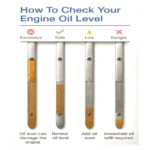
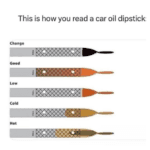
Now look at where the oil reaches:
- Between MIN and MAX = Good
- Below MIN = Needs oil
- Above MAX = Overfilled (also bad)
8. Check Oil Color and Texture
- Amber/light brown = Good
- Dark/black = Old but usable
- Milky = Possible coolant leak (serious issue)
My Personal Take: What Most Guides Don’t Tell You
Here’s what I learned from actually doing this regularly:
- The first time feels confusing, but by the third time, it becomes automatic
- Oil level drops slowly, you don’t need to panic if it’s slightly below max
- The condition of the oil matters just as much as the level
- Checking once a month is usually enough for most cars
Comparison Table: Oil Checking Methods
| Method | Accuracy | Ease of Use | Time Required | Best For | Downsides |
| Manual Dipstick | ⭐⭐⭐⭐⭐ | ⭐⭐⭐⭐ | 3–5 mins | Most cars | Slightly messy |
| Electronic Oil Monitor | ⭐⭐⭐⭐ | ⭐⭐⭐⭐⭐ | Instant | Modern vehicles | Can be less precise |
| Oil Pressure Warning Light | ⭐⭐ | ⭐⭐⭐⭐⭐ | Instant | Emergency alerts | Too late when it turns on |
| Workshop Inspection | ⭐⭐⭐⭐⭐ | ⭐⭐⭐ | 30–60 mins | Full maintenance checks | Costs money |
Understanding Oil Levels: What’s Normal?
Your engine oil doesn’t just sit there; it’s constantly circulating, lubricating, and cooling engine parts.
Normal Oil Behavior:
- A slight decrease over time is expected
- New engines may consume more oil initially
- Long drives can slightly affect readings
When to Be Concerned:
- Rapid oil loss
- Frequent top-ups needed
- Oil turning milky or gritty
Common Mistakes to Avoid
1. Checking Oil on a Hot Engine
This gives an inaccurate reading and can be unsafe.
2. Not Wiping the Dipstick First
You’ll get a false high reading.
3. Overfilling Oil
More oil ≠ means better performance. It can damage seals and cause foaming.
4. Ignoring Oil Color
Level is only half the story.
5. Checking on Uneven Ground
Even a slight tilt can mislead you.
Types of Engine Oil: What Should You Use?
Choosing the right oil matters just as much as checking it.
Main Types:
- Conventional Oil
- Cheapest
- Suitable for older cars
- Synthetic Oil
- Best performance
- Longer lifespan
- More expensive
- Synthetic Blend
- Balanced option
- High-Mileage Oil
- Designed for older engines (75,000+ miles)
Comparison Table: Engine Oil Types
| Oil Type | Price Range | Lifespan | Performance | Best For |
| Conventional | Low | 3,000–5,000 km | Basic | Older vehicles |
| Synthetic | High | 8,000–15,000 km | Excellent | Modern engines |
| Synthetic Blend | Medium | 5,000–8,000 km | Good | Daily drivers |
| High-Mileage | Medium | 5,000–7,000 km | Specialized | Aging engines |
Buyer’s Guide: Choosing the Right Engine Oil
If you’re going to top up your oil, you need the right type. Here’s how to choose:
1. Check Your Owner’s Manual
This is the most reliable source. Look for:
- Oil grade (e.g., 5W-30)
- Recommended type
2. Understand Oil Viscosity
The numbers (like 5W-30) indicate how oil flows at different temperatures.
- Lower first number = better cold performance
- Higher second number = better high-temperature protection
3. Consider Your Driving Conditions
| Driving Style | Recommended Oil Type |
| City driving | Synthetic blend |
| Long highway trips | Full synthetic |
| Hot climates | Higher viscosity |
| Cold climates | Lower viscosity |
4. Don’t Mix Oil Types Randomly
While it won’t destroy your engine instantly, it’s not ideal.
5. Look for Certification
Choose oils with recognized standards (API, ACEA).
How Often Should You Check Your Oil?
From experience:
- Once a month → Ideal
- Before long trips → Essential
- After oil change → Double-check
Signs Your Car Needs Oil Immediately
Watch out for these:
- Engine noise (ticking/knocking)
- Burning oil smell
- Dashboard oil warning light
- Reduced performance
If you notice these, check oil ASAP.
What Happens If You Don’t Check Your Oil?
Let’s be blunt, nothing good. Possible consequences:
- Increased engine wear
- Overheating
- Engine seizure
- Expensive repairs (or replacement)
I’ve seen engines fail just because someone skipped this simple check.
Pro Tips From Real Experience
- Keep a cloth in your car for quick checks
- Check the oil in daylight; it’s easier to see
- Take a photo of the dipstick reading if unsure
- Don’t rush, accuracy matters
Deep Dive: Why Oil Is So Critical
Engine oil does more than just lubricate:
Functions of Engine Oil:
- Reduces friction
- Prevents overheating
- Cleans engine components
- Protects against corrosion
Without proper oil levels, your engine is basically grinding itself apart.
Read More: Car AC Compressor Cost
FAQs: How Do You Check The Oil Level In Your Car
1. Can I check oil when the engine is hot?
You can, but it’s not recommended. Wait a few minutes for accuracy and safety.
2. What if my oil is black?
That’s normal over time. It means it’s doing its job. Change it if it’s thick or gritty.
3. How much oil should I add if it’s low?
Add small amounts (about 250ml at a time), then recheck.
4. Can too much oil damage my engine?
Yes. Overfilling can cause pressure issues and leaks.
5. Do all cars have dipsticks?
No. Some modern cars use electronic sensors.
6. Is checking oil really necessary if I service my car regularly?
Yes. Oil levels can drop between services.
7. What color should oil be?
Clean oil is amber. Dark oil isn’t always bad, but milky oil is a warning sign.
Final Thoughts
Checking your oil isn’t just a maintenance task,k it’s a habit that protects your investment. It’s quick, simple, and incredibly effective at preventing major problems.
Once you start doing it regularly, it becomes second nature. And trust me, your engine will thank you for it.