I’ll be honest, checking motor oil used to feel like one of those “optional” car tasks. Something mechanics worry about, not everyday drivers. That changed the day my engine started making a weird noise. It wasn’t dramatic, but it was enough to make me nervous. When I finally checked the oil, it was low… very low. That small oversight could have turned into a major repair bill. Since then, checking motor oil has become a simple habit, one that takes less than five minutes but can save thousands in engine damage.
If you’ve never checked your oil before (or you’re not sure you’re doing it right), this guide will walk you through everything in a simple, practical way, with no technical jargon, just real-world advice.
What Is Motor Oil and Why Does It Matter?
Motor oil is the lifeblood of your engine. It:
- Lubricates moving parts
- Reduces friction
- Prevents overheating
- Cleans internal components
- Protects against wear and corrosion
Without enough oil or with dirty oil, your engine can suffer serious damage.
My Personal Experience: Learning the Hard Way
When I first started driving, I relied completely on service centers. I assumed oil checks were only needed during scheduled maintenance. That assumption cost me.
After noticing engine noise and reduced performance, I checked the oil for the first time. The dipstick showed almost nothing. That moment taught me two things:
- Oil levels can drop faster than expected
- Checking it yourself is incredibly easy
Now I check it regularly, and it’s honestly one of the simplest car care habits you can build.
Step-by-Step: How to Check Motor Oil Properly
Let’s keep it simple and practical.
Step 1: Park on a Level Surface
This ensures an accurate reading.
Step 2: Turn Off the Engine
Wait about 5–10 minutes for the oil to settle.
Step 3: Open the Hood
Locate the oil dipstick; it usually has a bright handle (yellow or orange).
Step 4: Pull Out the Dipstick
Wipe it clean with a cloth or tissue.
Step 5: Reinsert and Pull Again
This gives you the correct oil level reading.
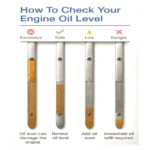
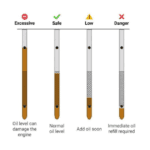
Step 6: Check the Level
Look for markings like:
- MIN / MAX
- LOW / FULL
The oil should be between these marks.
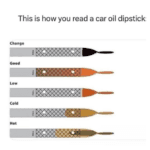
Step 7: Inspect Oil Condition
Good oil:
- Amber or light brown
- Smooth texture
Bad oil:
- Dark, dirty
- Gritty or thick
Comparison Table: Motor Oil Checking Methods
| Method | Accuracy | Ease of Use | Time Required | Best For |
| Dipstick Manual Check | Very High | Easy | 2–5 minutes | All vehicles |
| Dashboard Sensor | Moderate-High | Very Easy | Instant | Modern cars |
| Mechanic Inspection | Very High | Requires visit | 30+ minutes | Full diagnostics |
| Oil Monitoring Apps | Moderate | Easy | Ongoing | Tech-savvy users |
Signs Your Motor Oil Needs Attention
Even if you don’t check regularly, your car often gives warning signs:
- Engine noise or knocking
- Burning smell
- Dark exhaust smoke
- Oil warning light
- Reduced fuel efficiency
If you notice any of these, check your oil immediately.
Types of Motor Oil (Quick Overview)
Understanding oil types helps you make better decisions.
1. Conventional Oil
- Budget-friendly
- Suitable for older engines
2. Synthetic Oil
- High performance
- Better protection
- Longer lifespan
3. Synthetic Blend
- Balanced option
- Moderate cost and performance
Buyer’s Guide: Choosing the Right Motor Oil
Checking oil is one thing; using the right oil is another.
1. Follow Manufacturer Recommendations
Always check your car manual for:
- Oil type
- Viscosity grade (like 5W-30)
2. Consider Driving Conditions
- Hot climates → Higher heat resistance
- Cold climates → Better flow at low temperatures
- Heavy traffic → Durable oil
3. Viscosity Matters
Viscosity determines how thick or thin the oil is.
- Lower numbers → Better for cold starts
- Higher numbers → Better for high temperatures
4. Quality vs Price
Cheap oil might save money now, but cost more later in engine wear. Investing in quality oil:
- Improves engine life
- Reduces maintenance costs
5. Oil Change Frequency
Typical guidelines:
- Conventional: Every 5,000 km
- Synthetic: 8,000–12,000 km
But always adjust based on usage.
Common Mistakes When Checking Motor Oil
From personal experience, these are easy to avoid:
1. Checking Immediately After Turning Off the Engine
Oil hasn’t settled, yet the results will be inaccurate.
2. Not Cleaning the Dipstick
Leads to false readings.
3. Overfilling Oil
Too much oil can damage the engine.
4. Ignoring Oil Color
Level isn’t everything, quality matters too.
Long-Term Benefits of Regular Oil Checks
After making this a habit, I noticed:
1. Smoother Engine Performance
The car runs quieter and more efficiently.
2. Fewer Repairs
Preventive care saves money.
3. Better Fuel Efficiency
Clean oil reduces engine strain.
4. Peace of Mind
No more guessing or worrying about engine health.
How Often Should You Check Motor Oil?
A good rule:
- Once every 2–4 weeks
- Before long trips
- After heavy driving
It takes minutes but prevents major issues.
Tools You Might Need
Checking oil doesn’t require much:
- Clean cloth or tissue
- Gloves (optional)
- Flashlight (for low light conditions)
That’s it.
Who Should Learn This Skill?
Honestly, everyone who owns a car. Especially if you:
- Drive daily
- Own an older vehicle
- Want to save on maintenance
- Prefer independence over relying on mechanics
Is Checking Motor Oil Difficult?
Not at all. It might feel intimidating at first, but after doing it once or twice, it becomes second nature. Think of it like checking your phone battery, simple but essential.
Read More: Signs Of A Bad Car AC Condenser
FAQs: How Do You Check Motor Oil
1. Can I check oil when the engine is hot?
It’s better to wait 5–10 minutes after turning off the engine for accurate results.
2. What happens if the oil is too low?
Low oil can cause overheating, friction, and severe engine damage.
3. What color should motor oil be?
Clean oil is amber or light brown. Dark or black oil may need changing.
4. Can I drive with low oil?
It’s risky. Even short distances can damage the engine.
5. How do I know if I added too much oil?
The dipstick will show above the maximum mark. Excess oil should be removed.
6. Do all cars have dipsticks?
Most do, but some modern cars rely on electronic sensors.
7. How long does it take to check oil?
Usually less than 5 minutes.
Final Verdict
Checking motor oil is one of the simplest yet most powerful habits you can build as a car owner. It doesn’t require tools, experience, or much time,e just a little consistency.
From personal experience, this small habit can save you from big problems, unexpected repairs, and unnecessary stress.
If you haven’t checked your oil recently, consider this your reminder. It only takes a few minutes, but it makes a huge difference.