If you’ve ever felt your steering wheel shake while braking or heard that annoying squeal after installing new brake pads, chances are your brake rotors aren’t in great shape.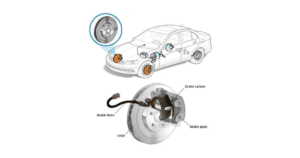 I’ve personally faced this after a routine brake job, the car still didn’t feel right. That’s when I learned about rotor resurfacing, also known as “turning” the rotors.
At first, I thought replacing rotors was the only solution. But after trying resurfacing, I realized it can be a cost-effective and surprisingly effective alternative if done correctly.
In this guide, I’ll walk you through:
- Real-world costs
- When resurfacing is worth it (and when it’s not)
- Pros and cons based on experience
- Buyer tips and expert insights
- FAQs
What Does Resurfacing Car Rotors Mean?
Resurfacing rotors involves removing a thin layer of metal from the rotor surface to make it smooth and even again.
A specialized machine called a brake lathe spins the rotor and cuts it evenly to restore proper braking contact. This process:
- Eliminates grooves and uneven wear
- Improves brake pad contact
- Reduces vibration and noise
Proper resurfacing ensures the rotor surfaces remain flat and parallel, critical for safe braking performance.
Rotor Resurfacing Cost (Real-World Pricing)
Here’s what you can expect to pay in most markets (USA-based averages):
Cost Comparison Table
| Service Type | Average Cost (Per Axle) | What You Get |
| Rotor Resurfacing | $20 – $60 | Machining existing rotors |
| Rotor Replacement (Budget) | $150 – $300 | New aftermarket rotors |
| Rotor Replacement (OEM) | $300 – $700+ | Premium factory parts |
My Personal Experience
I had mild vibration when braking at highway speeds. Instead of replacing rotors, my mechanic suggested resurfacing:
- Cost: $40 per axle
- Time: ~45 minutes
- Result: Smooth braking, no vibration
Honestly, for the price, it felt like a steal.
When Should You Resurface Rotors?
✅ Good Candidates for Resurfacing
- Minor grooves or scoring
- Slight brake vibration
- Rotor thickness above the minimum spec
- First or second brake job
❌ When You Should NOT Resurface
- Rotors are too thin
- Deep cracks or heavy warping
- Repeated overheating
- The manufacturer recommends replacement
⚠️ Important: Rotors have a minimum thickness limit;t if resurfacing would go below it, replacement is required for safety.
Pros and Cons (Real-World Perspective)
👍 Pros
- Much cheaper than replacement
- Restores smooth braking
- Extends rotor life
- Eco-friendly (less waste)
👎 Cons
- Reduces rotor thickness
- Not a permanent fix
- May not work on severely damaged rotors
- Some modern cars discourage resurfacing
Resurfacing vs Replacing Rotors
This is where things get interesting.
| Factor | Resurfacing | Replacement |
| Cost | Low | High |
| Longevity | Moderate | Long |
| Performance | Good (if done properly) | Excellent |
| Safety | Safe (if above min thickness) | Safest option |
Real Mechanic Insight (From Reddit Discussions)
Here’s what real mechanics and users say:
“Most shops charge almost the same labor as replacing.”
“If done properly, resurfacing can save money and work well.”
“Bad resurfacing leads to vibration and uneven wear.”
👉 Translation:
- Good job = great value
- Bad job = wasted money
How Rotor Resurfacing Actually Works
A brake lathe:
- Spins the rotor at controlled speeds
- Uses cutting tools to shave off imperfections
- Creates a smooth, non-directional finish
This process improves pad contact and braking efficiency. Modern shops may use:
- On-car lathe → More precise alignment
- Off-car lathe → More control and flexibility
Both methods aim to eliminate runout and vibration.
Buyer’s Guide: Should You Resurface or Replace?
Here’s how to decide like a pro:
1. Check Rotor Thickness
- If close to minimum → Replace
- If plenty left → Resurface
2. Evaluate Driving Style
- Aggressive driving → Replace
- Normal commuting → Resurface works fine
3. Consider Cost vs Value
- Tight budget → Resurface
- Long-term ownership → Replace
4. Quality of Workshop Matters
A skilled technician makes ALL the difference. Bad machining = worse than doing nothing.
How Long Does Resurfacing Last?
- Typically lasts one brake pad cycle (20,000–50,000 miles)
- Depends on:
- Driving habits
- Brake pad quality
- Rotor condition
Can You DIY Rotor Resurfacing?
Short answer: No (not properly).
Using hand tools like grinders:
- Creates uneven surfaces
- Causes vibration
- Damages braking performance
Professional lathes are required for precision and safety.
Signs Your Rotors Need Attention
- Steering wheel vibration
- Pulsation when braking
- Squealing or grinding noise
- Visible grooves on the rotor surface
Is Rotor Resurfacing Worth It?
From my real-world experience:
👉 YES—if your rotors are still in good condition
👉 NO—if they’re worn out or damaged
It’s one of those repairs where condition matters more than cost.
Read More: How Do You Check Oil Level In Car
FAQs: Resurface Car Rotors | A Real World Review
1. How many times can rotors be resurfaced?
Usually 1–2 times, depending on thickness.
2. Is resurfacing safe?
Y, yes,s if done correctly and within thickness limits.
3. Why do rotors warp?
Heat buildup from braking causes uneven expansion.
4. Can resurfacing fix vibration?
Yes, if caused by uneven rotor surfaces.
5. Do I need new brake pads after resurfacing?
Yes. Old pads won’t match the new surface.
6. Is resurfacing cheaper than replacing?
Almost always often 50–80% cheaper.
Final Verdict (Real-World Take)
Resurfacing car rotors is a smart, budget-friendly solution, but it’s not a one-size-fits-all fix. If your rotors:
- Are thick enough
- Only slightly worn
- And you find a good mechanic
👉 You’ll save money and restore braking performance.
But if they’re heavily worn? Skip resurfacing and go straight to replacement.