I’ll be honest, like most people, I never really paid attention to my car’s bumper… until I lightly bumped into a parking pole. That small incident made me curious: How are car bumpers actually made?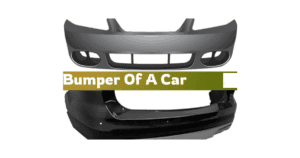 Turns out, modern bumpers are not just chunks of metal. They’re carefully engineered safety components designed to absorb impact, protect passengers, and even improve aerodynamics.
In this guide, I’ll walk you through:
- The full bumper manufacturing process
- Materials used
- Real-world insights from experience
- A comparison table
- A practical buyer’s guide
Let’s break it down in a simple, easy-to-understand way.
What Is a Car Bumper?
A car bumper is a protective structure attached to the front and rear of a vehicle.
Its main jobs:
- Absorb minor impacts
- Protect internal components
- Improve safety
- Enhance the car’s look
What Materials Are Car Bumpers Made From?
Modern bumpers are no longer metal-heavy. Instead, they use lightweight and flexible materials.
Common Materials:
- Thermoplastic (Polypropylene – PP)
- Polycarbonate blends (PC/ABS)
- Fiberglass (in performance cars)
- Aluminum or steel reinforcement bar (inside)
👉 From my experience, polypropylene bumpers are the most common because they’re:
- Flexible
- Cost-effective
- Resistant to minor dents
Step-By-Step: How Car Bumpers Are Made
Let’s go through the full manufacturing journey.
1. Material Preparation
Raw plastic pellets (usually polypropylene) are:
- Heated
- Melted into liquid form
This is the foundation of the bumper.
2. Injection Molding (Main Step)
This is where the magic happens.
Process:
- Melted plastic is injected into a mold
- The mold is shaped like the bumper
- High pressure ensures perfect detail
👉 This step determines:
- Shape
- Design
- Thickness
3. Cooling and Solidifying
Once inside the mold:
- The plastic cools down
- Hardens into the bumper shape
This usually takes a few minutes.
4. Trimming and Finishing
After removal from the mold:
- Excess plastic is trimmed
- Edges are smoothed
5. Painting and Coating
Bumpers are painted to match the car.
Steps:
- Primer coating
- Base color
- Clear coat for shine and protection
6. Adding Reinforcement
Inside the bumper:
- A metal reinforcement bar is installed
- Energy absorbers (foam or plastic) are added
7. Quality Inspection
Each bumper is tested for:
- Strength
- Fit
- Finish quality
8. Final Assembly
The bumper is:
- Attached to the vehicle frame
- Aligned with sensors and lights
My Honest Experience With Bumper Quality
After replacing a bumper once, I realized something important:
👉 Not all bumpers are created equal.
What I noticed:
- Cheap bumpers feel thin and fragile
- OEM or high-quality ones have a better fit and durability
- Paint quality makes a huge difference in appearance
Types of Car Bumpers (Comparison Table)
| Bumper Type | Material | Durability | Cost | Best For |
| Plastic (PP) | Polypropylene | Medium | $175 | Daily driving |
| Reinforced Plastic | PP + Metal core | High | $350 | Most modern cars |
| Fiberglass | Composite material | Low | $500 | Sports/custom cars |
| Carbon Fiber | Carbon composite | Very High | $750 | High-performance vehicles |
Why Modern Bumpers Are Plastic (Not Metal)
Older cars used metal bumpers, but things changed.
Reasons:
- Better shock absorption
- Lower weight = better fuel efficiency
- Cheaper to produce
- Easier to repair
👉 From experience, plastic bumpers handle minor impacts much better than old metal ones.
Hidden Components Inside a Bumper
A bumper is more than just the outer shell.
Inside you’ll find:
- Reinforcement bar
- Energy absorber foam
- Sensors (parking, collision)
- Mounting brackets
Buyer’s Guide: Choosing the Right Bumper
If you’re replacing your bumper, here’s what I recommend:
1. OEM vs Aftermarket
- OEM (Original Equipment Manufacturer)
- Perfect fit
- Higher cost
- Aftermarket
- Cheaper
- Quality varies
👉 I personally prefer OEM for long-term reliability.
2. Material Choice
- Daily driving → Polypropylene
- Performance → Carbon fiber or reinforced
3. Paint Quality
Check:
- Color match
- Clear coat finish
Bad paint = cheap look.
4. Compatibility
Always confirm:
- Car model
- Year
- Trim
5. Built-In Features
Modern bumpers may include:
- Sensor holes
- Fog light mounts
- Camera slots
Cost of Car Bumper Manufacturing
Approximate breakdown:
- Raw materials → Low cost
- Molding → Medium cost
- Painting → High cost
- Assembly → Moderate
👉 That’s why painted bumpers cost more.
Common Problems With Car Bumpers
From real-world use:
- Scratches and scuffs
- Cracks from impact
- Paint fading
- Loose mounting clips
Maintenance Tips
Here’s what worked for me:
- Wash regularly
- Use scratch remover
- Avoid tight parking spaces
- Fix minor damage early
Environmental Impact
Modern manufacturers are improving by:
- Using recyclable plastics
- Reducing waste in molding
- Designing lighter bumpers
Read More: Car Door Trim Protector | My Honest Experience
FAQs: How Are Car Bumpers Made
1. What are car bumpers made of?
Mostly polypropylene plastic with metal reinforcement.
2. Are plastic bumpers strong?
Yes, they’re designed to absorb impact effectively.
3. How long do bumpers last?
Usually 5–10 years, depending on usage.
4. Can a cracked bumper be repaired?
Yes, small cracks can be fixed.
5. Why are bumpers painted separately?
For better quality and consistency.
6. Are aftermarket bumpers good?
Some are, but quality varies widely.
7. Do bumpers affect safety?
Yes, they play a key role in low-speed impact protection.
Final Thoughts
Car bumpers may look simple, but they’re actually carefully engineered safety components. From melting plastic pellets to precision molding and painting, the process is surprisingly advanced.
👉 From my experience, investing in a good-quality bumper makes a huge difference not just in looks, but in durability and safety. So next time you look at your car, remember: That bumper isn’t just cosmetic, it’s your first line of defense.