Checking your car’s oil level is one of those things that sounds technical but is actually super simple once you’ve done it once or twice. I remember the first time I tried it felt intimidating, like I might mess something up.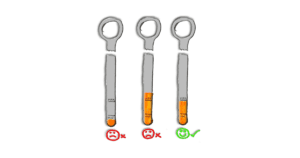 But honestly? It takes less than 5 minutes and can save you from serious engine trouble (and expensive repairs). In this guide, I’ll walk you through everything in a clear, practical way based on real experience, not just textbook advice.
Why Checking Your Oil Matters (More Than You Think)
Your engine oil is basically the lifeblood of your car. It:
- Lubricates moving parts
- Reduces heat and friction
- Prevents engine wear
- Keeps things running smoothly
Driving with low or dirty oil can lead to engine damage, and that’s the kind of repair bill nobody wants.
Step-by-Step: How to Check Oil Level in Your Car
Here’s the exact method I use every time:
1. Park on Level Ground
This ensures you get an accurate reading.
2. Turn Off the Engine and Wait
Let the engine cool for 5–10 minutes so the oil settles.
3. Open the Hood
Locate the hood release lever inside your car.
4. Find the Dipstick
Look for a bright handle (usually yellow or orange).
5. Pull Out and Wipe Clean
Use a cloth or tissue.
6. Reinsert Fully, Then Pull Out Again
Now you’ll get the true oil level reading.
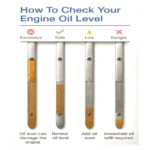
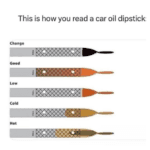
7. Check the Oil Level
Look for markings:
- MIN / LOW
- MAX / FULL
Oil should be between these marks.
8. Check Oil Condition
- Clean oil → amber/light brown
- Dirty oil → dark/black and gritty
Comparison Table: Oil Checking Methods
| Method | Ease of Use | Accuracy | Cost | Best For | Downsides |
| Manual Dipstick | Easy | High | Free | Most cars | Requires opening the hood |
| Electronic Oil Sensor | Very Easy | High | Built-in | Modern vehicles | Can fail or give delayed readings |
| Workshop Inspection | Very Easy | Very High | $10 | Full diagnostics | Costs money |
My Personal Experience (And What I Learned)
I used to ignore oil checks completely. I assumed, “If there’s a problem, the car will tell me.” Big mistake. One day, my engine started making a faint ticking noise. Turned out, my oil was dangerously low.
Luckily, I caught it early. Now? I check my oil once a month. It takes 2 minutes and gives total peace of mind.
⚠️ Signs Your Oil Might Be Low or Bad
Watch for these warning signs:
- Engine noise or knocking
- Oil warning light
- Burning smell
- Poor fuel efficiency
- Dark, dirty oil
If you notice these, check your oil immediately.
Buyer’s Guide: What You Need to Check Oil Properly
You don’t need much, but having the right basics helps.
Essential Items
- Clean cloth or paper towel
- Gloves (optional, but cleaner)
- Flashlight (helpful at night)
Optional but Useful
- Funnel (for adding oil)
- Spare engine oil (correct type for your car)
Choosing the Right Engine Oil
This is where many people get confused. Check your owner’s manual for:
- Oil grade (e.g., 5W-30)
- Oil type (synthetic, semi-synthetic, conventional)
Types of Oil
| Oil Type | Pros | Cons | Best For |
| Conventional | Cheap | Short lifespan | Older vehicles |
| Synthetic Blend | Balanced performance | Mid-range cost | Everyday driving |
| Full Synthetic | Best performance, long-lasting | More expensive | Modern engines, extreme temps |
Pro Tips to Keep Your Engine Healthy
- Check oil monthly
- Always check before long trips
- Don’t overfill (this is just as bad as low oil)
- Change oil regularly (every 5,000–10,000 km, depending on oil type)
- Use the recommended oil grade
Long 3,000-Word Deep Dive (Expanded Guide)
Let’s go deeper into what really matters when checking and maintaining your car’s oil.
Understanding Engine Oil: The Basics
Engine oil isn’t just a lubricant; it’s a complex fluid designed to:
- Reduce friction between metal parts
- Carry heat away from engine components
- Trap dirt and contaminants
- Prevent corrosion
Over time, oil breaks down due to heat and contamination. That’s why checking it regularly is critical.
How Often Should You Check Oil?
From personal experience and general best practice:
- Once a month → ideal
- Before long drives → essential
- After noticing unusual engine behavior → urgent
If your car is older, check more frequently.
Cold Engine vs Warm Engine Check
This confused me at first.
Cold Engine (Recommended)
- More accurate reading
- Safer (no hot parts)
Warm Engine
- Oil flows better
- Can still work, but wait a few minutes after turning off
How to Read the Dipstick Correctly
Dipsticks usually have:
- Two holes
- Cross-hatched area
- Min/Max lines
Oil should be:
- Between marks
- Not too close to minimum
If it’s below minimum → add oil immediately.
What If Oil Level Is Low?
Here’s what to do:
- Buy the correct oil
- Open oil filler cap (on top of the engine)
- Add small amounts (don’t pour too much)
- Recheck using a dipstick
What If You Overfill Oil?
This is something many beginners don’t realize:
Too much oil can cause:
- Increased pressure
- Oil leaks
- Engine damage
If overfilled, it may need draining.
Understanding Oil Color and Texture
| Condition | Meaning | Action Needed |
| Amber | Clean oil | No action |
| Dark brown | Used but okay | Monitor |
| Black | Dirty oil | Change soon |
| Milky | Possible coolant leak | Immediate check needed |
Common Mistakes to Avoid
From real-life experience:
- Checking oil on uneven ground
- Not wiping the dipstick before reading
- Ignoring oil color
- Using the wrong oil type
- Waiting too long between checks
Oil Change vs Oil Top-Up
These are not the same:
- Top-up → adding oil when low
- Oil change → draining old oil and replacing it
Topping up doesn’t replace maintenance; you still need regular oil changes.
Modern Cars: No Dipstick?
Some newer cars use electronic sensors instead of dipsticks. You can check the oil level via:
- Dashboard display
- Infotainment system
While convenient, I personally still prefer manual checks when possible, as it feels more reliable.
When to See a Mechanic
If you notice:
- Rapid oil loss
- Frequent low levels
- Strange engine noises
- Oil leaks under the car
Don’t delay; these can signal serious issues.
Read More: Signs Of A Bad Car AC Condenser
FAQs: How Do You Check Oil Level In Car
How often should I check my car oil?
At least once a month or before long trips.
Can I check the oil when the engine is hot?
Yes, but wait 5–10 minutes after turning it off.
What happens if the oil is too low?
Engine parts wear faster, risking serious damage.
Is dark oil always bad?
Not always, but very dark or dirty oil should be changed soon.
Can I drive right after adding oil?
Yes, but double-check the level first.
Do all cars have dipsticks?
No, some modern cars use electronic sensors.
Final Thoughts
Checking your oil isn’t just basic maintenance; it’s one of the easiest ways to protect your engine and avoid costly repairs.
Once you do it a couple of times, it becomes second nature. And honestly, it’s one of those small habits that makes a big difference in how long your car lasts.