If your car has started squealing, grinding, or just doesn’t feel as sharp when braking, chances are your brake pads are worn out. I’ve gone through this more than once, and like most drivers, my first question was: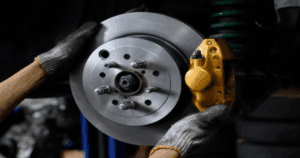 “How much will brake pad replacement cost near me in the U.S.?” The short answer? It depends, but once you understand the breakdown, it becomes much easier to avoid overpaying and make a smart decision.
This guide is based on real-world experience, current U.S. pricing trends, and what actually happens when you walk into a repair shop.
Average Brake Pad Replacement Cost in the U.S.
Here’s what most drivers can expect to pay:
- Economy vehicles: $100 – $250 per axle
- Mid-range vehicles: $150 – $350 per axle
- Luxury/performance cars: $300 – $800+ per axle
👉 Typical total (front + rear): $300 – $700
👉 High-end vehicles: $800 – $1,500+
💡 Per axle means either the front or rear set of brake pads.
Brake Pad Replacement Cost Comparison Table
| Service Option | Price Range (Per Axle) | What’s Included | Best For |
| Budget Local Shop | $100 – $180 | Basic pads + standard labor | Quick, affordable fixes |
| Independent Garage | $150 – $300 | Mid-quality pads, inspection, warranty | Best value for most drivers |
| National Chain Shop | $200 – $400 | Branded pads, promotions, warranties | Convenience + predictable service |
| Dealership Service | $300 – $800+ | OEM parts, certified technicians | New or luxury vehicles |
| DIY Replacement | $50 – $150 | Parts only | Experienced car owners |
What Actually Affects Brake Pad Replacement Cost?
After replacing brake pads a few times, I realized pricing isn’t random; these factors make a big difference:
1. Type of Brake Pads You Choose
- Organic pads: Cheapest, softer, wear out faster
- Semi-metallic pads: Durable, affordable, slightly noisy
- Ceramic pads: Premium option, quiet, clean, long-lasting
👉 From experience: ceramic pads cost more upfront but save money long-term.
2. Labor Costs (Location Matters)
Labor rates vary across the U.S.:
- Small towns: $70 – $100/hour
- Cities: $100 – $180/hour
Brake pad replacement usually takes:
- 30–60 minutes per axle
3. Your Vehicle Type
- Compact sedan → cheaper parts
- SUV/truck → more expensive
- Luxury brands → premium parts + labor
4. Front vs Rear Pads
- Front pads wear faster (handle most braking force)
- Rear pads typically last longer and cost less
5. Hidden Costs You Might Encounter
This is where many people get surprised:
- Rotor resurfacing: $20 – $60
- Rotor replacement: $150 – $400
- Brake fluid flush: $80 – $150
💡 Always ask for a full estimate before approving work.
My Personal Experience: What I Paid & What I Learned
The first time I replaced brake pads, I went with the cheapest option, a big mistake.
- Paid around $120 per axle
- Pads wore out within 8 months
- Ended up replacing rotors later (more expensive)
Next time, I upgraded to mid-range ceramic pads:
- Paid about $250 per axle
- Lasted over 2 years
- Quieter and smoother braking
👉 Lesson: Cheap brake pads often cost more in the long run.
⚠️ Signs You Need Brake Pad Replacement
Don’t wait until it’s too late, look for these warning signs:
- Squeaking or grinding noise
- Reduced braking performance
- Vibration when braking
- Brake warning light
- Car pulling to one side
Buyer’s Guide: Choosing the Right Brake Pads
Choosing brake pads isn’t just about price; it’s about safety and long-term value.
1. Match Your Driving Style
- City driving → durable pads
- Highway driving → standard pads
- Aggressive driving → ceramic or performance pads
2. Choose the Right Material
- Budget → organic
- Balanced → semi-metallic
- Premium → ceramic
3. Check Warranty
Look for:
- Lifetime pad replacement (some shops offer it)
- 6–24 month labor warranty
4. Avoid Ultra-Cheap Options
If it seems too cheap, it probably is.
👉 Low-quality pads:
- Wear faster
- Make noise
- Damage rotors
5. Ask What’s Included
Before agreeing, confirm:
- Parts brand
- Labor cost
- Rotor condition
- Additional fees
How Often Should You Replace Brake Pads?
Typical lifespan:
- 30,000 – 70,000 miles
Depends on:
- Driving habits
- Traffic conditions
- Vehicle weight
👉 Stop-and-go traffic = faster wear.
Smart Ways to Save Money
Here’s what actually works:
- Compare 2–3 shops near you
- Look for coupons or seasonal deals
- Replace pads early (avoid rotor damage)
- Use mid-range or ceramic pads
- Avoid the dealership unless necessary
DIY vs Professional Brake Pad Replacement
| Factor | DIY Replacement | Professional Service |
| Cost | Low | Medium–High |
| Skill Required | Moderate | None |
| Time | 1–2 hours | 30–60 minutes |
| Risk | Higher | Low |
| Warranty | None | Usually included |
👉 If you’re unsure, go with a professional. Brakes are critical for safety.
Read More: What Does An O2 Sensor Do In A Car
FAQs: Brake Pad Replacement Cost Near Me
1. How much does brake pad replacement cost near me in the U.S.?
Most drivers pay between $150–$300 per axle, depending on vehicle and location.
2. Can I replace just one brake pad?
No. Always replace pads in pairs on the same axle.
3. How long does brake pad replacement take?
Typically 30–60 minutes per axle.
4. Are expensive brake pads worth it?
Yes, es especially ceramic pads. They last longer, perform better, and reduce noise.
5. Do I need new rotors every time?
No, only if they are worn, warped, or below minimum thickness.
6. Is it safe to delay brake pad replacement?
Not recommended, as it increases stopping distance and can damage rotors.
7. Why do prices vary so much?
Because of:
- Labor rates
- Parts quality
- Vehicle type
- Shop reputation
Final Thoughts
Brake pad replacement is one of the most important (and unavoidable) maintenance jobs for any car owner. The key isn’t just finding the cheapest option; it’s finding the best value.
From my experience:
- Spend a bit more for quality pads
- Always get a detailed quote
- Don’t ignore early warning signs
👉 In the end, good brakes aren’t just about saving money, they’re about keeping you safe on the road.