If your car’s air conditioning suddenly stops blowing cold air or worse, starts acting unpredictably, the issue might not be the compressor or refrigerant. It could be something much smaller but just as important: the car AC pressure switch.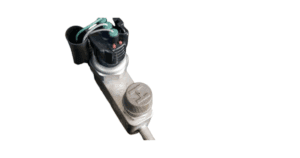 From personal experience working on and troubleshooting car AC systems, I’ve learned that this tiny component plays a huge role in keeping your cooling system safe and efficient. Ignore it, and you risk expensive damage.
Understand it, and you can save yourself time, money, and a lot of frustration. In this guide, I’ll break everything down in a simple, real-world way, what a car AC pressure switch does, how it works, signs of failure, and how to choose the right one.
What Is a Car AC Pressure Switch?
A car AC pressure switch is a safety and control device that monitors the pressure of refrigerant inside your AC system. Its main job is to:
- Turn the compressor on or off based on pressure levels
- Prevent damage caused by too much or too little pressure
- Ensure the AC system runs efficiently
Think of it as a “gatekeeper” that protects your AC system.
How Does an AC Pressure Switch Work?
The switch is connected to the AC system’s refrigerant lines and constantly monitors pressure. Here’s how it works:
- Low pressure detected → Compressor shuts OFF
- Normal pressure → Compressor runs normally
- High pressure detected → Compressor shuts OFF
This prevents:
- Compressor burnout
- Refrigerant leaks
- System overheating
Types of Car AC Pressure Switches (Comparison Table)
| Type of Pressure Switch | Function | Protection Level | Common Use | Pros | Cons |
| Low-Pressure Switch | Detects low refrigerant | Medium | Older systems | Prevents dry running | Limited protection |
| High-Pressure Switch | Detects excessive pressure | High | Most vehicles | Prevents system damage | Doesn’t detect low pressure |
| Dual Pressure Switch | Monitors both high & low | Very High | Modern cars | Complete protection | Slightly more expensive |
| Trinary Switch | Controls fan + pressure | Excellent | Advanced systems | Multi-function | Complex setup |
Why the AC Pressure Switch Is So Important
1. Protects the Compressor
The AC compressor is one of the most expensive parts. The pressure switch ensures it doesn’t run under unsafe conditions.
2. Prevents System Damage
Too much pressure can cause hoses or seals to burst. The switch stops that before it happens.
3. Maintains Cooling Efficiency
Proper pressure = better cooling performance.
4. Improves Safety
Without it, the system could overheat or fail dangerously.
Real-World Experience: What Happens When It Fails
I’ve personally dealt with a faulty pressure switch, and here’s what I noticed:
- AC would randomly stop cooling
- The compressor wouldn’t engage at all
- Cooling worked sometimes, then suddenly stopped
At first, it felt like a major AC failure,e but replacing the pressure switch fixed everything.
Common Symptoms of a Bad AC Pressure Switch
Watch for these signs:
1. AC Not Blowing Cold Air
The compressor may not turn on.
2. Intermittent Cooling
AC works sometimes, then stops unexpectedly.
3. Compressor Not Engaging
No clicking sound when the AC is turned on.
4. AC System Shuts Off Suddenly
Safety shutdown triggered incorrectly.
5. Unusual Pressure Readings
Detected during diagnostic testing.
Causes of Pressure Switch Failure
- Wear and tear over time
- Electrical faults
- Corrosion or contamination
- Refrigerant leaks affecting pressure readings
- Poor-quality replacement parts
AC Pressure Switch vs Other AC Components (Comparison Table)
| Component | Function | Failure Impact | Cost Level |
| Pressure Switch | Monitors system pressure | AC stops working | Low |
| Compressor | Circulates refrigerant | No cooling at all | High |
| Condenser | Releases heat | Poor cooling | Medium |
| Expansion Valve | Controls refrigerant flow | Inconsistent cooling | Medium |
| Evaporator | Produces cold air | Weak or no cooling | High |
Buyer’s Guide: Choosing the Right AC Pressure Switch
1. Compatibility
Always match:
- Your car’s make and model
- AC system type
A wrong switch won’t work properly.
2. Type of Switch
- Basic cars → Low or high-pressure switch
- Modern cars → Dual or trinary switch
3. Build Quality
Look for:
- Durable housing
- Corrosion-resistant materials
- Reliable electrical connectors
4. OEM vs Aftermarket
OEM (Original Equipment Manufacturer):
- Perfect fit
- Higher reliability
- More expensive
Aftermarket:
- Affordable
- Widely available
- Quality varies
5. Ease of Installation
Some switches are easy to replace, while others may require:
- Refrigerant recovery
- Professional tools
6. Price Range
- Budget: $10–$25
- Mid-range: $25–$50
- Premium: $50+
Can You Drive With a Bad AC Pressure Switch?
Technically, yes, but it’s not recommended.
Why?
- AC won’t work properly
- Risk of compressor damage
- Potential for higher repair costs
Replacement Cost
Here’s what you can expect:
- Part cost: $20–$80
- Labor cost: $50–$150
- Total: $70–$200
Costs vary depending on vehicle and location.
DIY vs Professional Replacement
DIY Replacement
Good if:
- You have basic mechanical skills
- The switch is easily accessible
Professional Repair
Recommended if:
- Refrigerant handling is required
- The system needs recharging
Maintenance Tips
- Check the AC system regularly
- Fix refrigerant leaks quickly
- Use AC periodically (even in winter)
- Avoid cheap, low-quality parts
Read More: Alto Car AC Belt Price
FAQs: Car AC Pressure Switch
1. What does a car AC pressure switch do?
It monitors refrigerant pressure and controls the compressor to protect the AC system.
2. How do I know if my AC pressure switch is bad?
Look for signs like no cooling, intermittent AC, or a compressor not engaging.
3. Can I bypass the AC pressure switch?
Not recommended—it can cause serious damage to your AC system.
4. How long does a pressure switch last?
Typically 5–10 years, depending on usage and conditions.
5. Is it expensive to replace?
No, it’s relatively affordable compared to other AC components.
6. Will a bad pressure switch affect fuel economy?
Indirectly, yes, if the AC system works inefficiently.
7. Can low refrigerant cause switch failure?
Yes, it can trigger the switch or lead to incorrect readings.
8. Do all cars have an AC pressure switch?
Yes, most modern vehicles include at least one pressure switch.
Final Verdict
The car AC pressure switch might be small, but it’s absolutely critical. From my experience, it’s one of those parts you don’t think about until it fails. The good news? It’s relatively cheap, easy to replace, and can save you from much bigger repair bills.
If your AC is acting up, don’t overlook it. This little component could be the key to restoring your cool ride.