The first time I truly understood what a muffler does wasn’t from a manual; it was from embarrassment. I started my car one morning, and instead of the usual smooth hum, it roared like a race car.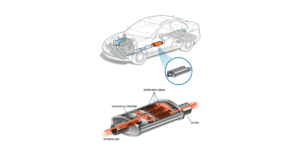 Neighbors stared. Heads turned. And I knew immediately something wasn’t right. Turns out, my muffler had gone bad. If you’ve ever wondered “What is a muffler on a car?” or why your vehicle suddenly sounds louder than usual, you’re in the right place.
In this guide, I’ll break it all down in a simple, real-world, and experience-driven way, including how it works, signs of failure, costs, and how to choose the right one.
What Is a Muffler?
A muffler is a key part of your car’s exhaust system. Its main job is simple:
👉 Reduce engine noise
But it does more than that.
It also:
- Controls sound waves from the engine
- Helps direct exhaust gases safely out of the vehicle
- Improves overall driving comfort
Without a muffler, your car would be extremely loud, like a motorcycle or race car.
Where Is the Muffler Located?
The muffler is usually found:
- At the rear end of your vehicle
- Attached to the exhaust pipe
- Just before the exhaust tip
It’s one of the easiest exhaust components to spot under your car.
My Experience: Driving With a Bad Muffler
Here’s what happened when mine failed:
1. Loud Engine Noise
It wasn’t subtle; it was impossible to ignore.
2. Vibrations
The car felt rougher than usual.
3. Reduced Fuel Efficiency
I noticed I was filling up more often.
4. Slight Exhaust Smell
Not strong but noticeable.
At first, I thought it was just “cool” noise… until it became annoying (and honestly, a bit embarrassing).
How Does a Muffler Work?
Inside a muffler, there’s a clever design of:
- Chambers
- Tubes
- Perforated pipes
These components work together to:
- Cancel out sound waves
- Reduce exhaust noise
Think of it like noise-canceling headphones but for your car.
Types of Mufflers (Explained Simply)
There are different muffler types depending on performance and sound preference.
1. Chambered Mufflers
- Deep, aggressive sound
- Popular in muscle cars
2. Turbo Mufflers
- Balanced sound and performance
- Common in everyday vehicles
3. Straight-Through (Performance Mufflers)
- Loudest option
- Best for high-performance cars
4. Stock Mufflers
- Quiet operation
- Designed for comfort
Comparison Table: Muffler Types
| Muffler Type | Sound Level | Performance Gain | Best For |
| Chambered | Loud | Medium | Performance enthusiasts |
| Turbo | Moderate | Balanced | Daily drivers |
| Straight-Through | Very loud | High | Sports cars |
| Stock | Quiet | Low | Comfort & commuting |
Signs Your Muffler Is Going Bad
From personal experience and common symptoms:
- Loud exhaust noise
- Rattling sound under the car
- Rust or visible holes
- Reduced fuel efficiency
- Exhaust smell
👉 If you notice these, don’t ignore them.
Muffler Replacement Cost (Realistic Range)
Here’s what you can expect:
- Budget muffler: $50 – $150
- Mid-range: $150 – $300
- Performance muffler: $300 – $600+
Labor Cost:
- $50 – $150
Total Cost:
👉 $100 – $700 depending on type
Comparison Table: Cheap vs Premium Mufflers
| Feature | Budget Muffler | Premium Muffler |
| Price | Low | High |
| Durability | Moderate | Long-lasting |
| Sound Quality | Basic | Tuned, refined |
| Performance | Minimal | Noticeable gain |
| Material | Standard steel | Stainless steel |
| Warranty | Limited | Extended |
Buyer’s Guide: How to Choose the Right Muffler
If you’re shopping for a muffler, here’s what I learned the hard way:
1. Decide Your Sound Preference
- Quiet → Stock muffler
- Deep tone → Chambered
- Loud → Straight-through
2. Material Matters
Look for:
- Stainless steel (best durability)
- Aluminized steel (budget option)
3. Compatibility
Make sure it fits:
- Your car model
- Exhaust system size
4. Driving Style
- Daily commute → Quiet muffler
- Performance driving → Sport muffler
5. Budget
Don’t overspend unless you want performance gains.
Can You Drive Without a Muffler?
Technically, yes, but it’s not a good idea.
Why?
- Extremely loud noise
- Possible legal issues
- Reduced driving comfort
Does a Muffler Affect Performance?
Yes, but slightly.
- Performance mufflers → Improve airflow
- Stock mufflers → Focus on noise reduction
The difference is noticeable but not dramatic for daily drivers.
How Long Does a Muffler Last?
Typically:
- 5 to 7 years
- Longer if stainless steel
Factors that affect lifespan:
- Weather conditions
- Road salt
- Driving habits
Long Detailed Expansion
Muffler vs Exhaust System
Many people confuse the two.
- Muffler = Noise reduction component
- Exhaust system = Entire setup (pipes, catalytic converter, muffler)
What Happens If Muffler Fails?
- The car becomes very loud
- Exhaust flow may be affected
- Risk of harmful gases entering the cabin
Repair vs Replacement
Repair:
- Small holes or cracks
- Cheaper short-term fix
Replacement:
- Severe rust or damage
- Better long-term solution
Performance Mufflers: Worth It?
From my experience:
Pros:
- Better sound
- Slight performance boost
Cons:
- Higher cost
- Can be too loud
👉 Worth it if you enjoy driving experience, not necessary otherwise.
Muffler Maintenance Tips
- Inspect regularly for rust
- Avoid deep water driving
- Fix leaks early
Environmental Impact
A damaged muffler can:
- Increase emissions
- Affect engine efficiency
So it’s not just about noise, it’s also about environmental responsibility.
Read More: Car Expansion Valve Stuck Open Symptoms
FAQs: What Is a Muffler on a Car
1. What does a muffler do?
It reduces engine noise and helps control exhaust flow.
2. Is a muffler necessary?
Yes, without it, your car becomes extremely loud and less comfortable.
3. How do I know if my muffler is bad?
Look for loud noise, rattling, rust, or exhaust smell.
4. Can a bad muffler affect fuel efficiency?
Yes, slightly due to improper exhaust flow.
5. How much does it cost to replace a muffler?
Typically between $100 and $700.
6. Does a performance muffler make your car faster?
It can improve airflow, but gains are usually small.
7. Can I replace a muffler myself?
Yes, if you have tools and experience, but professional installation is easier.
My Honest Verdict
After dealing with a bad muffler, here’s my take:
- It’s a small part with a big impact
- Ignoring it makes driving uncomfortable
- Replacement is usually worth it
👉 If your car is loud, don’t just ignore it,t check your muffler.