If you’ve ever driven through dense fog, heavy rain, or snow, you know how quickly visibility can disappear. The road fades, headlights from other vehicles blur, and suddenly, even the car behind you might not notice you in time.
That’s where the rear fog lamp comes in. Unlike normal tail lights, a rear fog lamp is a much brighter red light mounted at the rear of a vehicle. Its job is simple but extremely important: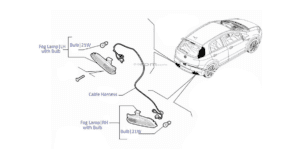 to make your car more visible to drivers behind you during poor visibility conditions. Many drivers see the button on their dashboard but rarely use it or even understand when they should.
In this guide, I’ll explain everything about rear fog lamps:
- What they are and how they work
- When you should (and shouldn’t) use them
- How they differ from brake lights and tail lights
- Whether your car needs one
- A helpful comparison table
- A buyer’s guide if you want to install one
By the end, you’ll know exactly why this small light plays such a big role in road safety.
What Is a Rear Fog Lamp?
A rear fog lamp is a high-intensity red light located at the back of a vehicle, designed to improve visibility in extreme weather conditions, such as:
- Heavy fog
- Snowstorms
- Torrential rain
- Dust storms
Unlike regular tail lights, rear fog lamps are much brighter and more focused, so they can cut through thick fog or precipitation. Most vehicles have:
- One rear fog lamp (usually on the driver’s side), or
- Two rear fog lamps for balanced visibility.
These lamps are typically activated using a separate switch on the dashboard.
Why Rear Fog Lamps Exist
Imagine driving on a highway in thick fog. Your normal tail lights may only be visible from 30–50 feet away. But a rear fog lamp can be visible from 150 feet or more, giving the driver behind you extra time to slow down.
This extra visibility can prevent rear-end collisions, which are common in foggy weather. That’s why rear fog lamps are mandatory in many countries, especially in Europe.
Rear Fog Lamp vs Other Rear Lights
Many drivers confuse rear fog lamps with other rear lights. Here’s a simple comparison.
| Light Type | Color | Brightness | When Used | Purpose |
| Tail light | Red | Low | Night driving | Basic visibility |
| Brake light | Red | Medium | When braking | Alert drivers you’re slowing |
| Rear fog lamp | Bright red | Very high | Fog, heavy rain, snow | Improve visibility in poor weather |
| Reverse light | White | Medium | When reversing | Illuminate the rear area |
The rear fog lamp is the brightest rear light on most vehicles.
My Personal Experience Using a Rear Fog Lamp
I didn’t think much about rear fog lamps until I drove through a dense winter fog on a highway. Visibility dropped to almost nothing. I could barely see the car ahead.
Then I noticed something interesting. Some cars were much easier to see than others. Those cars had bright red lights glowing from the rear their rear fog lamps.
The difference was huge. Cars without them almost disappeared into the fog. From that moment, I realised just how valuable this feature is. Now, whenever visibility drops significantly, I always turn mine on.
Where Rear Fog Lamps Are Located
Rear fog lamps are usually positioned:
- Low on the rear bumper
- Inside the tail light cluster
- On the driver’s side of the vehicle
Many cars only have one rear fog lamp. This is intentional. A single lamp reduces confusion with brake lights.
How Rear Fog Lamps Work
Rear fog lamps operate with a simple system.
- The driver presses the rear fog lamp button
- Electrical power flows to the lamp
- The high-intensity red bulb or LED activates
- The vehicle becomes more visible from behind
Most vehicles require the headlights or front fog lights to be on first before the rear fog lamp can activate. This prevents accidental use.
When You Should Use Rear Fog Lamps
Rear fog lamps should only be used in severe visibility conditions. Appropriate situations include:
- Dense fog
- Heavy snowfall
- Extreme rain
- Dust storms
- Thick smoke conditions
If drivers behind you cannot clearly see your taillights, it’s time to activate the rear fog lamp.
When NOT to Use Rear Fog Lamps
Using rear fog lamps unnecessarily can actually irritate or blind other drivers. Avoid using them:
- In clear weather
- During normal night driving
- In light rain
- In moderate fog with good visibility
Their brightness can distract drivers behind you.
Types of Rear Fog Lamps
Modern vehicles use two main types.
Halogen Rear Fog Lamps
These are traditional bulbs.
Pros:
- Cheap
- Easy to replace
Cons:
- Less energy efficient
- Shorter lifespan
LED Rear Fog Lamps
LED technology is now common.
Pros:
- Brighter
- Longer lifespan
- Energy efficient
Cons:
- Slightly higher cost
Rear Fog Lamp Comparison
| Feature | Halogen Fog Lamp | LED Fog Lamp |
| Brightness | Medium | Very high |
| Energy efficiency | Low | High |
| Lifespan | 500–1000 hours | 10,000+ hours |
| Cost | Low | Moderate |
| Popular in modern cars | Less common | Very common |
LED fog lamps are becoming the standard in newer vehicles.
Are Rear Fog Lamps Required by Law?
Requirements vary by region.
Europe
Rear fog lamps are mandatory on most vehicles.
United Kingdom
Required and widely used.
United States
Rear fog lamps are optional but legal.
Canada
Some manufacturers include them, but they are not mandatory.
Benefits of Rear Fog Lamps
Rear fog lamps offer several safety advantages.
1. Improved Visibility
Drivers behind you can see your vehicle earlier.
2. Reduced Rear-End Collisions
Better visibility means more reaction time.
3. Safer Highway Driving
Especially useful on high-speed roads in fog.
4. Better Driving Confidence
Knowing your car is visible reduces stress in poor weather.
Buyer’s Guide: Choosing a Rear Fog Lamp
If your vehicle doesn’t have a rear fog lamp, you can install one. Here’s what to consider.
1. Brightness Level
Look for lamps with strong visibility but not excessive glare. LED models are usually best.
2. Weather Resistance
Choose lamps rated for outdoor conditions. Look for:
- Waterproof housing
- Dust resistance
- Shock resistance
3. Compatibility
Check whether the lamp fits your:
- Vehicle bumper
- Electrical system
- Mounting area
4. Certification
Choose products with safety certification. Common certifications include:
- DOT approval
- E-mark certification
5. Installation Type
Options include:
- Plug-and-play kits
- Professional installation kits
Installation Tips
If you plan to install a rear fog lamp:
- Choose a visible rear location
- Connect to a dashboard switch
- Ensure proper wiring insulation
- Test brightness before driving
Professional installation is recommended for beginners.
Common Rear Fog Lamp Mistakes
Many drivers misuse rear fog lamps. Here are the most common mistakes.
Leaving Them On After Fog Clears
This can blind drivers behind you.
Using Them Instead of Brake Lights
Rear fog lamps are not a substitute for braking signals.
Forgetting to Turn Them On
Many drivers never use them, even in heavy fog.
Maintenance Tips
Rear fog lamps require little maintenance. However, you should:
- Clean lenses regularly
- Replace damaged bulbs
- Check wiring occasionally
- Ensure switches function properly
Future of Rear Fog Lamps
Vehicle lighting technology is evolving. Future rear fog lamps may include:
- Adaptive brightness
- Automatic activation in fog
- Smart LED visibility sensors
These technologies aim to further improve road safety.
Read More: Car AC Evaporator Cleaning Cost
FAQs: What Is A Rear Fog Lamp
What is the purpose of a rear fog lamp?
A rear fog lamp makes your vehicle more visible to drivers behind you in fog, snow, and heavy rain.
Is a rear fog lamp brighter than brake lights?
Yes. Rear fog lamps are typically much brighter than standard taillights.
Can I drive with rear fog lights on all the time?
No. They should only be used in poor visibility conditions.
Do all cars have rear fog lamps?
No. Some vehicles include them, while others do not.
Where is the rear fog lamp switch?
It’s usually located:
- On the dashboard
- Near the headlight controls
- On the lighting stalk
Can I add a rear fog lamp to my car?
Yes. Aftermarket kits allow installation on most vehicles.
Final Thoughts
Rear fog lamps are one of the most underrated safety features in modern vehicles. They might seem like a small detail, but during extreme weather, they can make a huge difference in preventing accidents.
Used properly, they help ensure that drivers behind you can see your vehicle clearly, even in the worst conditions. If your car already has a rear fog lamp, learn when to use it. And if it doesn’t, installing one could be a smart upgrade for safer driving.