Your car’s braking system is one of the most critical safety components on the road. While many drivers think mostly about brake pads, brake rotors are just as important.
If your rotors are worn, warped, or damaged, your vehicle may not stop safely even if your brake pads are new. Over the years of driving different vehicles and helping friends troubleshoot brake problems, one thing has become clear: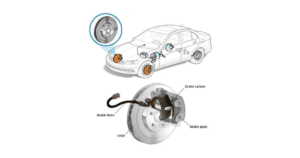 Bad rotors often show warning signs long before they completely fail. The problem is that many drivers ignore those signs until the situation becomes expensive or dangerous.
Brake rotors gradually wear down from friction and heat every time you press the brake pedal. Eventually, they can warp, crack, or become uneven, causing noticeable symptoms when you drive.
In this in-depth guide, we’ll explore:
- The most common signs of bad car rotors
- How to identify rotor problems early
- What causes rotor damage
- Whether rotors should be resurfaced or replaced
- How to choose the best replacement rotors
If you’ve ever wondered whether your brakes feel “off,” this guide will help you understand exactly what’s going on.
What Are Brake Rotors?
Brake rotors (also called brake discs) are the large metal discs attached to your vehicle’s wheels. When you press the brake pedal, the brake pads clamp onto the rotor, creating friction that slows and stops the vehicle.
Most modern vehicles use disc brakes on the front wheels and often the rear wheels as well. The disc brake system was popularized and refined by companies like Brembo and Bosch, whose braking technology is used across many major automakers.
Because rotors endure intense heat and pressure, they gradually wear down over time.
Common Signs of Bad Car Rotors
Recognizing early warning signs can prevent bigger problems later. Here are the most common symptoms of worn or damaged rotors.
1. Steering Wheel Vibrations When Braking
One of the most common signs of bad rotors is vibration in the steering wheel when braking. This usually happens because the rotors become warped due to excessive heat.
When a warped rotor spins between the brake pads, the contact surface becomes uneven. What you may notice:
- Steering wheel shaking when braking
- Pulsing brake pedal
- Vibrations are increasing at higher speeds
This symptom is extremely common after heavy braking on long downhill drives.
2. Pulsating Brake Pedal
A pulsating or bouncing brake pedal often indicates uneven rotor thickness. When the rotor surface wears unevenly, the brake pads cannot grip consistently.
The pedal then feels like it’s pushing back against your foot. Typical causes include:
- Heat damage
- Improperly installed rotors
- Uneven pad wear
- Excessive rotor wear
3. Loud Grinding Noise
If you hear a grinding or scraping sound, the brake system may be severely worn. Grinding usually means:
- Brake pads are worn completely down
- Metal backing plates are touching the rotor
- The rotor surface is being damaged
Driving with grinding brakes can quickly destroy the rotors.
4. Squealing or Screeching Brakes
While squealing is often caused by worn brake pads, it can also indicate glazed or damaged rotors.
Glazing happens when rotors overheat, creating a smooth, hardened surface that reduces braking performance.
5. Visible Rotor Damage
Sometimes rotor problems can be spotted visually. Look for:
- Deep grooves
- Rust buildup
- Cracks
- Blue heat spots
Small grooves are normal over time, but deep grooves indicate significant wear.
6. Longer Stopping Distances
If your car takes longer to stop than usual, worn rotors may be reducing braking efficiency. This happens when:
- Rotors are too thin
- Surfaces are uneven
- Pads cannot grip properly
Reduced braking power can be extremely dangerous, especially in emergencies.
Bad Rotors vs Healthy Rotors
| Feature | Healthy Rotors | Bad Rotors |
| Surface condition | Smooth | Grooved or cracked |
| Braking feel | Smooth and consistent | Pulsating or vibrating |
| Noise | Quiet | Squealing or grinding |
| Heat damage | None | Blue spots or warping |
| Stopping power | Strong | Reduced performance |
| Safety | Reliable | Potentially dangerous |
Why Brake Rotors Go Bad
Several factors contribute to rotor damage.
Heat Buildup
Braking converts kinetic energy into heat. Repeated heavy braking can cause extreme temperatures that warp the metal.
Low Quality Brake Pads
Cheap pads can produce uneven wear and excessive heat. High-quality braking systems from companies like Akebono Brake Industry are designed to reduce rotor wear.
Aggressive Driving
Frequent hard braking can shorten rotor lifespan significantly.
Rust and Corrosion
Moist environments can cause rust buildup on rotors, especially if a car sits unused for long periods.
How Long Brake Rotors Typically Last
Brake rotor lifespan varies depending on driving style and vehicle type. Average lifespan:
- 30,000 – 70,000 miles
However, aggressive driving or heavy vehicles may wear them out faster. Vehicles from manufacturers like Toyota, Honda, and Ford Motor Company often have durable factory brake systems, but rotors still wear out eventually.
Should You Resurface or Replace Rotors?
When rotors develop minor wear, mechanics sometimes resurface them using a lathe. Resurfacing removes a thin layer of metal to restore smoothness. However, replacement is better when:
- Rotors are below the minimum thickness
- Cracks appear
- Severe warping exists
Many modern mechanics recommend replacement because rotors have become relatively affordable.
My Personal Experience With Worn Rotors
A few years ago, I noticed my car’s steering wheel shaking during braking at highway speeds. At first, I suspected wheel balance issues. But the vibration happened only when braking.
The problem turned out to be warped front rotors. After replacing them, the difference was immediate:
- Smooth braking returned
- Vibrations disappeared
- Stopping distance improved
This experience taught me how easy it is to overlook rotor problems.
Types of Brake Rotors
Different rotor designs serve different purposes.
1. Smooth Rotors
Most standard vehicles use plain rotors. Benefits:
- Affordable
- Quiet
- Reliable
2. Slotted Rotors
Slotted rotors have grooves that help remove heat and debris. These are common in performance cars.
3. Drilled Rotors
Drilled rotors have holes to improve cooling. Many high-performance braking systems developed by Brembo use drilled designs.
4. Drilled and Slotted Rotors
These combine both features for maximum cooling and performance.
Buyer’s Guide: Choosing the Best Brake Rotors
Replacing rotors can dramatically improve braking performance. Here are the key factors to consider.
1. Compatibility With Your Vehicle
Always choose rotors designed specifically for your vehicle’s make and model. Using incorrect rotors can lead to braking problems.
2. Rotor Material
Most rotors are made from cast iron, but premium versions may use advanced alloys for better heat resistance.
3. Driving Style
Consider how you use your car. Daily driving:
- Standard rotors are sufficient.
Performance driving:
- Slotted or drilled rotors may perform better.
4. Brand Reputation
Trusted brands often provide better durability and performance. Well-known manufacturers include:
- Brembo
- Bosch
- Akebono Brake Industry
5. Replace Pads at the Same Time
New rotors should always be installed with new brake pads. Old pads can damage new rotors quickly.
Tips to Make Brake Rotors Last Longer
You can extend rotor life with a few driving habits.
Avoid Hard Braking
Sudden braking generates excessive heat.
Downshift When Possible
Using engine braking reduces stress on rotors.
Inspect Brakes Regularly
Regular maintenance helps detect problems early.
Choose Quality Parts
Better materials resist heat and wear.
When to Replace Brake Rotors Immediately
Some conditions require urgent replacement. These include:
- Visible cracks
- Severe vibration
- Metal grinding sounds
- Rotor thickness below minimum specifications
Ignoring these signs can lead to complete brake failure.
The Cost of Replacing Brake Rotors
Costs vary depending on vehicle type and parts quality. Average prices:
- Economy vehicles: $200–$400 per axle
- Mid-range vehicles: $300–$600 per axle
- Performance vehicles: $600–$1,200+
Labor usually adds additional cost.
Read More: What Is An AC Belt In A Car
FAQs: Signs Of Bad Car Rotors
How do I know if my rotors are bad?
Common signs include vibration when braking, grinding noises, visible grooves, and reduced stopping power.
Can bad rotors damage brake pads?
Yes. Uneven rotors can cause brake pads to wear out much faster.
Is it safe to drive with warped rotors?
It may still be possible to drive, but it’s unsafe because braking performance is reduced.
Should I replace all rotors at once?
Usually, rotors are replaced in pairs per axle to maintain balanced braking.
Do rear rotors wear out as fast as front rotors?
Front rotors usually wear faster because most braking force occurs at the front wheels.
Can brake rotors be resurfaced?
Yes, but only if they are thick enough and not severely damaged.
Why do my new rotors warp quickly?
Possible causes include:
- Improper installation
- Low-quality rotors
- Aggressive driving
- Sticking brake calipers
Final Thoughts
Brake rotors may not receive as much attention as brake pads, but they play a crucial role in stopping your vehicle safely. Learning to recognize the early signs of bad rotors can save money, prevent accidents, and keep your car performing at its best.
If you notice vibrations, unusual noises, or reduced braking power, it’s best to inspect the braking system immediately. Replacing worn rotors may feel like a routine maintenance task, but it’s one of the most important things you can do to ensure safe and reliable driving.