The first time I heard the word “bushings”, I honestly had no idea what a mechanic was talking about. My car was making a dull clunk over bumps. Steering felt slightly loose. Nothing dramatic, just off.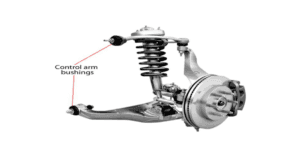 The diagnosis? Worn suspension bushings. It turned out that those small, inexpensive rubber components play a massive role in ride comfort, steering precision, and overall vehicle stability.
If you’re here wondering:
- What are car bushings?
- What do they actually do?
- How much do they cost to replace?
- Can you drive with bad bushings?
- Should you upgrade to polyurethane?
You’re in the right place.
What Are Car Bushings?
Car bushings are rubber or polyurethane components that sit between metal parts in your suspension and steering system. Their job is simple but critical:
👉 They cushion, isolate vibration, and allow controlled movement between parts. Without bushings:
- Every bump would feel harsh
- Metal parts would grind together
- Steering would feel unstable
- Noise and vibration would increase dramatically
Think of bushings as shock absorbers for joints.
Where Are Car Bushings Located?
Bushings are found throughout the vehicle, especially in:
- Control arms
- Sway bars
- Strut mounts
- Leaf springs
- Subframes
- Engine mounts
- Transmission mounts
Most vehicles have dozens of bushings working together.
What Do Car Bushings Actually Do?
Let’s break it down clearly. Bushings:
✔ Absorb road shock
✔ Reduce vibration
✔ Minimize noise
✔ Maintain wheel alignment
✔ Allow suspension movement
✔ Prevent metal-on-metal wear
They are small parts with a huge job.
Types of Car Bushings (Comparison Table)
| Type of Bushing | Material | Comfort Level | Durability | Best For |
| Rubber | Factory standard | Very High | Moderate | Daily driving |
| Polyurethane | Synthetic polymer | Medium | High | Performance & longevity |
| Solid / Metal | Aluminum/steel | Low | Very High | Racing only |
| Hydraulic | Fluid-filled rubber | Very High | Moderate | Luxury vehicles |
Most factory cars use rubber bushings for comfort.
Common Signs of Worn Bushings
When bushings wear out, you’ll notice:
1️⃣ Clunking Over Bumps
A dull thud sound when driving over potholes.
2️⃣ Loose Steering Feel
The car feels less responsive.
3️⃣ Uneven Tire Wear
Misalignment caused by suspension movement.
4️⃣ Vibrations at Highway Speed
Especially in the steering wheel.
5️⃣ Squeaking Noises
Dry or cracked bushings. If ignored, worn bushings can affect:
- Suspension geometry
- Braking stability
- Tire lifespan
How Much Do Car Bushings Cost?
Here’s the honest breakdown.
Parts Cost:
- Individual rubber bushing: $10 – $40
- Control arm bushing set: $20 – $100
- Performance polyurethane kit: $100 – $400
Labor Cost:
Bushings are labor-intensive.
- $150 – $600 depending on vehicle
- Some require full suspension removal
Total Replacement Cost:
👉 $200 – $800 per suspension area
Luxury vehicles can exceed $1,000.
Bushings vs Ball Joints (Quick Comparison)
| Feature | Bushings | Ball Joints |
| Purpose | Cushion & isolate | Pivot joint |
| Material | Rubber/poly | Metal with grease |
| Noise When Failing | Clunk/squeak | Sharp clunk |
| Replacement Cost | Moderate | Moderate to high |
| Comfort Impact | High | Medium |
Both are critical, but bushings mainly affect comfort and alignment stability.
Why Bushings Wear Out
Bushings deteriorate due to:
- Heat
- Oil contamination
- Road salt
- Age
- Aggressive driving
- Heavy loads
Rubber naturally cracks over time. Most bushings last:
👉 80,000 – 150,000 miles
But climate matters.
My Personal Experience With Worn Bushings
In my case:
The steering felt slightly vague. I ignored it. Months later:
- Tires started wearing unevenly
- Clunking became louder
- The ride felt harsh
Replacing lower control arm bushings transformed the car. It felt tighter, smoother, more controlled. It’s amazing how much these small parts affect the driving feel.
Rubber vs Polyurethane Bushings (Deep Dive)
Let’s go deeper.
Rubber Bushings
Pros:
✔ Quiet
✔ Comfortable
✔ Affordable
✔ Factory feel
Cons:
✖ Wear faster
✖ Can tear
Best for:
Daily commuters
Polyurethane Bushings
Pros:
✔ Last longer
✔ Sharper handling
✔ More durable
Cons:
✖ Slightly stiffer ride
✖ May squeak if not greased
Best for:
Performance enthusiasts
Complete Buyer’s Guide: Choosing the Right Bushings
If you’re replacing bushings, consider these factors.
1️⃣ Driving Style
Daily driver?
→ Rubber is perfect.
Sporty driving?
→ Polyurethane is better.
Track use?
→ Performance poly or solid mounts.
2️⃣ Climate
Hot climate:
Rubber deteriorates faster.
Cold climate:
Polyurethane holds up better.
3️⃣ Budget
Rubber = cheaper upfront
Polyurethane = cheaper long-term durability
4️⃣ Full Arm Replacement vs Pressing Bushings
Some control arms come with bushings pre-installed.
Pros:
✔ Easier installation
✔ New ball joint included
Cons:
✖ Higher parts cost
Often worth it.
5️⃣ Noise Sensitivity
If you prioritize comfort:
Stick with OEM-style rubber.
If you want tighter handling:
Polyurethane is acceptable.
Can You Drive With Bad Bushings?
Yes, but not recommended. Risks:
- Poor alignment
- Faster tire wear
- Reduced braking stability
- Suspension damage
The longer you wait, the more expensive repairs become.
DIY vs Professional Replacement
DIY Difficulty:
Moderate to Hard
Why?
- Bushings are pressed into metal arms
- Special tools required (hydraulic press)
Unless you have tools and experience, professional repair is safer.
How Bushings Affect Ride Quality (Technical Insight)
When bushings degrade:
- Suspension geometry shifts
- Wheel camber changes
- Toe alignment drifts
- Steering response decreases
That “floating” feeling at highway speed? Often bushings.
Suspension Areas Most Affected
The most common bushings to fail:
✔ Lower control arm bushings
✔ Sway bar bushings
✔ Rear trailing arm bushings
✔ Subframe bushings
Sway bar bushings are the cheapest and easiest to replace.
Preventing Early Bushing Failure
You can’t stop aging, but you can slow wear:
✔ Avoid aggressive pothole impacts
✔ Wash undercarriage in winter
✔ Fix oil leaks quickly
✔ Replace worn shocks (reduces stress)
Read More: How To Take Fuel Out Of A Car Tank
FAQs: What Are Car Bushings
1. Are bushings expensive to replace?
Parts are cheap. Labor is the expensive part.
2. How long do car bushings last?
Typically 80,000–150,000 miles.
3. What happens if bushings completely fail?
Metal parts contact directly, causing instability.
4. Are polyurethane bushings worth it?
Yes for performance. Not necessary for comfort driving.
5. Can bad bushings cause vibration?
Yes, especially at highway speeds.
6. Do bushings affect alignment?
Absolutely. They help maintain proper suspension geometry.
7. Should I replace all bushings at once?
Not always. Replace worn ones first.
8. How do mechanics check bushings?
Visual inspection and pry-bar movement test.
Final Thoughts: Are Car Bushings Important?
Absolutely.
They’re small.
They’re inexpensive.
But they make a huge difference.
If your car feels:
- Loose
- Clunky
- Noisy
- Unstable
Bushings might be the hidden culprit. Replacing them can restore:
✔ Smooth ride
✔ Sharp steering
✔ Even tire wear
✔ Safer handling
Don’t underestimate these small components.