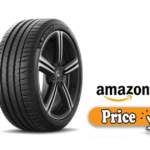
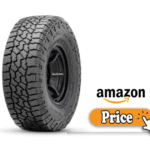
Buying tires is one of those adult responsibilities no one really prepares you for. You don’t think about tires much until you absolutely have to. One day, your car starts feeling a little rough, maybe the road noise gets louder, or a mechanic casually tells you your tread is “getting low.”
That’s usually when the panic sets in, and the big question pops up: How much do Bridgestone tires cost, and are they worth the money? I’ve asked myself that exact question more than once.
As someone who’s been driving in the U.S. for years through daily commutes, road trips, rainstorms, potholes, and unpredictable weather, I’ve owned multiple sets of tires from different brands. Bridgestone is one brand I keep coming back to, even though they’re not the cheapest option on the shelf.
This article is my honest experience with Bridgestone tires. No sponsorships, no marketing fluff, just real talk. I’ll break down pricing, performance, what I like, what I don’t, and whether Bridgestone tires are a smart buy for everyday American drivers.
If you’re trying to decide whether to spend the extra money or go cheaper, this review should help you make that call with confidence.

What I Like
Let’s start with what Bridgestone does right because there’s a reason this brand has such a strong reputation in the U.S.
Reliable Quality You Can Feel
The first thing I noticed after switching to Bridgestone tires was how solid everything felt. The car handled better, braking felt smoother, and there was an overall sense of control that cheaper tires didn’t give me. Even after months of driving, that “new tire” confidence didn’t fade quickly.
Comfortable and Quiet Ride
Road noise is one of those things you don’t realize is annoying until it’s gone. Bridgestone tires significantly reduced the humming and vibration I was used to on the highway. Long drives felt less tiring, and conversations inside the car were noticeably easier.
Strong Wet-Weather Performance
Rain can be unpredictable, especially in many parts of the U.S. Bridgestone tires handle wet roads extremely well. Hydroplaning resistance is excellent, and braking in rainy conditions feels controlled instead of scary.
Easy to Find Nationwide
Because Bridgestone is such a popular brand, it’s available almost everywhere. Whether you’re at a dealership, local tire shop, or big-name retailer, chances are they carry Bridgestone. That convenience matters more than people realize.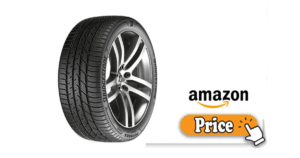 👉🏿👉🏻 Check the Latest Price and Offer at Amazon 👈🏻👈🏿
What Could Be Better
As much as I like Bridgestone tires, they’re not perfect.
The Price Tag
Let’s not sugarcoat it: Bridgestone tires are expensive compared to many competitors. If you’re on a tight budget, seeing the total cost for four tires can be painful.
Not Every Model Is a Long-Distance Champion
Some Bridgestone performance-oriented tires prioritize grip and handling over long tread life. If you drive aggressively or mostly in the city, certain models may wear faster than expected.
Overkill for Light Drivers
If you barely drive or only make short trips, Bridgestone might be more tire than you actually need. In those cases, a mid-range brand could make more financial sense.
My Personal Experience
I’ve purchased Bridgestone tires three different times for three different vehicles. Each experience taught me something new.
Daily Commuter Sedan
My first set went on a mid-size sedan I used for commuting. The difference was immediate—smoother ride, better steering response, and less noise. I rotated them regularly, and they lasted well over four years.
Small SUV for Road Trips
Next came a compact SUV that saw a lot of highway miles. Bridgestone tires really shone here. Long-distance comfort was excellent, and even after thousands of miles, the tires stayed quiet and stable.
Family Vehicle
Most recently, I put Bridgestone tires on a family car where safety mattered most. Wet traction and braking performance gave me peace of mind, especially during sudden stops and bad weather.
Across all three vehicles, Bridgestone delivered consistent quality.
Design
Tire design isn’t just cosmetic; it directly affects safety and performance.
Advanced Tread Patterns
Bridgestone uses carefully engineered tread patterns to improve traction, channel water away, and promote even wear. You can actually see the difference when comparing them to cheaper tires.
Sidewall Strength
The sidewalls strike a great balance: sturdy enough to handle potholes and rough roads, but flexible enough to keep the ride comfortable.
Clean, Premium Look
While looks aren’t everything, Bridgestone tires do have a clean, well-finished appearance that fits modern vehicles nicely.
Performance
This is where Bridgestone really earns its reputation.
Dry Road Handling
On dry pavement, the tires feel responsive and predictable. Steering is precise, and cornering feels confident rather than floaty.
Wet Road Safety
Rainy conditions are where Bridgestone stands out the most. The grip remains strong, and stopping distances feel shorter compared to budget brands I’ve used.
Light Snow Capability
While not winter tires, Bridgestone all-season models handle light snow and slush well enough for most U.S. climates.
Highway Stability
At higher speeds, the tires stay planted. This makes long highway drives far more relaxing.
Build Quality
Bridgestone’s build quality is one of the biggest reasons I trust the brand.
Durable Rubber Compounds
The rubber feels well-balanced, not too soft, not too stiff, which helps with grip and longevity.
Even Tread Wear
With proper alignment and rotation, Bridgestone tires wear evenly. I didn’t experience premature bald spots or odd wear patterns.
Pothole Resistance
U.S. roads aren’t perfect. I’ve hit my fair share of potholes, and Bridgestone tires have held up without sidewall damage.
How Much Are Bridgestone Tires?
Now let’s answer the big question directly.
Average Bridgestone Tire Prices in the U.S.
Based on my purchases and current market trends:
- Compact cars: $120–$200 per tire
- Sedans: $150–$250 per tire
- SUVs & crossovers: $180–$300 per tire
- Trucks & performance vehicles: $220–$400+ per tire
A full set of four typically costs $600 to $1,200 installed, depending on your vehicle and tire model.
What Impacts the Price?
- Tire size and width
- All-season vs performance
- Speed and load rating
- Warranty mileage
Are They Worth the Money?
In my experience, yes, especially if you drive often. The higher upfront cost is balanced out by longer lifespan, better safety, and overall comfort.
Alternative Option
If Bridgestone feels out of reach financially, here are solid alternatives:
Michelin
- Excellent quality and longevity
- Often slightly more expensive than Bridgestone
Goodyear
- Wide price range
- Easy availability across the U.S.
Continental
- Strong comfort-focused performance
- Competitive pricing
Budget Brands
Brands like Hankook or Kumho can work for light driving, but usually don’t match Bridgestone’s refinement or lifespan.
Final Thought
So, how much are Bridgestone tires, and should you buy them?
From my honest, real-world experience, Bridgestone tires are a premium option that delivers real value. They’re not cheap, but they’re dependable, comfortable, and built to last.
If you care about safety, ride quality, and long-term reliability, Bridgestone is absolutely worth considering. I’ve bought them multiple times, and I’d do it again.
Read More: Kumho Tires Price | My Honest Experience
FAQs: How Much Are Bridgestone Tires | My Honest Experience
How much are Bridgestone tires on average?
Most Bridgestone tires in the U.S. cost between $150 and $250 per tire, depending on size and type.
Are Bridgestone tires worth the higher price?
Yes, especially for frequent drivers. They offer better comfort, safety, and longevity than many cheaper brands.
How long do Bridgestone tires last?
Many models last 50,000 to 80,000 miles with proper care.
Are Bridgestone tires good for road trips?
Absolutely. They’re quiet, stable, and comfortable for long-distance driving.
Would I personally buy Bridgestone tires again?
Yes. Based on my experience, the performance and reliability justify the cost.