If you’re anything like me, you probably don’t spend your weekends thinking about tire technology, tread compounds, or sidewall construction. Tires are one of those things we don’t fully appreciate until we’re hydroplaning on a rainy highway or fishtailing up a snowy driveway, wondering why the heck the car feels like it’s skating rather than gripping.
And at that exact moment, the Falken Tires price or the price of any tires suddenly feels a whole lot more important. For years, I never really cared about brands; I just wanted something dependable at a fair price.
However, after trying out a few different sets and becoming frustrated with the fast wear, noisy rides, and tires that lost traction too quickly, I realized I needed to take my tire choices more seriously.
That’s how I ended up giving Falken Tires a shot. And now, after real highway miles, city commutes, off-road grocery store parking-lot curbs, and a couple of road trips later, I’m ready to give my full, unfiltered opinion.
This is not a sponsored review. I’m not trying to sell you anything. I’m simply sharing my honest experience, along with the real-world pros and cons, how the Falken Tires price compares to that of competitors, and what I think you should consider before purchasing a set for your own vehicle. Let’s dive in.

What I Like
Let me start with what Falken actually gets right, because to my own surprise, that list turned out to be pretty long.
1. The Price-to-Performance Ratio Is Solid
I’ll go deeper into the price breakdown later, but in short: Falken is one of the few tire brands that hits that sweet spot of “mid-tier cost, upper-mid-tier performance.”
If Michelin is the premium class and Douglas is the budget class, Falken sits right in that happy zone where you’re not overpaying but you’re also not compromising on safety or handling.
2. Grip in Wet Conditions
Rain is where Falken shines. I expected decent traction, but I didn’t expect the tires to feel this planted on slick roads.
Even during heavy Florida-style thunderstorms, I felt a clear difference in stability compared to the cheaper set I had before.
3. Surprisingly Quiet Ride
Some mid-range tires get noisy once they start wearing down, but the Falkens stayed relatively quiet even after months of driving.
Road noise is something you don’t notice until it annoys you, and I appreciated that these didn’t drone or hum.
4. Steering Response
These tires feel more responsive than I expected. The steering feels tighter, more confident, like the car reacts to your inputs more quickly. It’s not sports-car sharpness, but it’s a definite improvement over basic all-seasons.
5. They Look Aggressive (for a Tire, Anyway)
Okay, this isn’t a performance factor, but Falken’s tread designs look good. The beefy shoulder blocks and asymmetrical patterns give the tires an almost sporty appearance.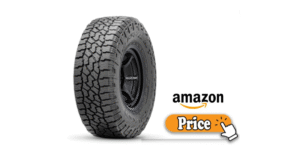 👉🏿👉🏻 Check the Latest Price and Offer at Amazon 👈🏻👈🏿
What Could Be Better
Falken isn’t perfect, though. Here’s where the brand could improve.
1. Tread Life Isn’t the Longest
This isn’t a dealbreaker for me, but some Falken models seem to wear a little quicker compared to Michelin or Continental. Not drastic, just not the longest-lasting option available.
2. Snow Traction Is Just “Okay” (for Some Models)
If you live in a region with serious winter conditions, you might want dedicated winter tires or a brand known specifically for snow performance. Falken all-seasons do fine in light snow, but I wouldn’t rely on them for frequent heavy winter driving.
3. Inventory Can Be Hit-or-Miss
Depending on the model, some tire shops don’t always have Falken in stock. It’s gotten better over the years, but availability still varies by region.
My Personal Experience
Here’s the part that matters most: what actually happened when I bought and tested Falken tires myself.
I drive a mid-size SUV, and I’m on the road a lot, city, highway, and occasional long-distance trips. I originally bought Falken Ziex ZE950 all-season tires because they were recommended by the tech at the tire shop as a balanced, budget-friendly choice.
From the first week, I noticed the ride felt smoother than my previous set. Not a dramatic difference, but enough that I immediately felt more confident in how the car handled.
Acceleration grip improved, braking felt more predictable, and the tires hugged the road better on curves. Over the next several months, I paid attention to performance during different conditions:
- Wet Roads: Falken did AMAZING.
- Dry Roads: Smooth, stable, reliable.
- Light Snow: Passable, not outstanding.
- Noise Level: Quiet, even at 70+ mph.
- Fuel Economy: I saw a very slight improvement, maybe 1–2 mpg on longer drives.
- Wear: Fair. After ~15,000 miles, the tread still looked good, but not exceptional.
Overall, I got exactly what I wanted: great performance for the price, especially for everyday driving.
Design
Falken doesn’t get enough credit foitsir design approach. Their treads are engineered with very specific performance goals in mind.
1. Asymmetrical Tread Patterns
This improves traction and handling because different parts of the tread perform different jobs: water evacuation, cornering grip, noise reduction, etc.
2. Rigid Shoulder Blocks
These help control body roll during cornering and make steering feel tighter.
3. High-Silica Compound
This enhances wet grip and improves wear resistance.
4. Built-In Noise Reduction
The tread design helps minimize vibration, cutting down on that annoying highway hum.
Design-wise, Falken does a great job offering something that feels premium without charging premium prices.
Performance
Dry Performance
Falken tires grip well on dry surfaces. Braking is predictable, cornering feels secure, and acceleration doesn’t cause wheelspin even with a heavier vehicle.
Wet Performance
This is where Falken really shines. Water evacuation channels work efficiently, hydroplaning resistance is impressive, and the steering remains confidently responsive.
Snow & Ice
Not bad, not amazing, just decent for an all-season. The Wildpeak series does much better in winter, though.
Highway Stability
The car remains stable at high speeds with minimal wandering. Even on long stretches, the tires stayed quiet and composed.
Off-Road Performance (Wildpeak Models)
If you choose the Wildpeak AT3W or similar model, expect outstanding off-road traction. Gravel, dirt, and mud feel surprisingly easy to handle.
Build Quality
Falken’s build quality is solid, better than the average mid-tier brand, but not at the Michelin-level premium segment.
1. Sidewall Durability
Falken’s reinforced sidewalls hold up better to potholes and curbs than some competitive brands.
2. Tread Wear
Acceptable, though not exceptional. Expect around 45,000 to 60,000 miles depending on model and driving style.
3. Heat Resistance
Great for summer climates, thanks to silica compounds and cooling designs.
4. Overall Construction
The tires feel substantial and well-built, not flimsy or cheaply manufactured.
Alternative Option
If you’re considering Falken but want to compare other brands, here are the closest alternatives in the same general price range.
1. Kumho
Similar pricing, slightly softer ride, but not quite as good in wet conditions.
2. General Tire
Strong performance and competitive pricing, but some models get noisy over time.
3. Cooper Tires
A solid alternative with good tread life, good grip, and slightly higher price than Falken.
4. Toyo
Often more expensive but very high-quality. Toyo and Falken are actually under the same parent company, so you’ll see some similarities.
If you want the best value for wet-road traction and mid-tier pricing, Falken still has the edge.
Falken Tires Price — Full Breakdown
Here’s the part everyone wants to know: Are Falken tires worth the price?
General Price Range
Most Falken tires fall between:
$90 to $220 per tire
depending on the model and size.
Budget-Friendly Lines
- Falken Sincera SN201 A/S: ~$75–$110
- Falken Ziex ZE950: ~$95–$150
Mid-Range Lines
- Falken Azenis FK460: ~$140–$200
All-Terrain / Off-Road Lines
- Falken Wildpeak AT3W: ~$120–$250
The Falken Tires price is almost always lower than Michelin, Goodyear, Bridgestone, and Continental while offering comparable real-world performance for everyday drivers.
In my opinion? Falken gives you 90% of premium performance for about 60% of the price. That’s a win.
Final Thought
If you want a tire that offers reliable performance, strong wet traction, comfortable ride quality, and a reasonable price, the kind of tire you can put on your daily driver without stressing about cost, Falken is absolutely worth considering.
They’re not the longest-lasting or the most premium, but for the price, they’re one of the best values on the market. I’ve personally had a very positive experience with them, and I’d buy them again without hesitation.
So, if your priority is balancing cost with safety, performance, and comfort, Falken hits the mark.
Read More: Lexani Tires Price | My Honest Experience
FAQs: Falken Tires Price | My Honest Experience
1. Are Falken tires of good quality?
Yes. They’re well-built, reliable, and offer great performance for the price, especially in wet conditions.
2. How long do Falken tires last?
Typically 45,000–60,000 miles, depending on the model and your driving habits.
3. Are Falken tires expensive?
Not at all. They’re priced in the mid-range and offer great value. Most run between $90 and $220 per tire.
4. Are Falken tires noisy?
Generally no. Most users find them quieter than similar mid-range brands.
5. How do Falken tires compare to Michelin?
Michelin outlasts Falken in tread life, but Falken is much more budget-friendly while still offering solid overall performance.
6. Are Falken Wildpeak tires good for off-road?
Yes, among the best in the mid-tier price category.
7. Should I buy Falken tires?
If you want value + safety + solid performance, I’d say yes. They’re a smart, cost-effective choice.