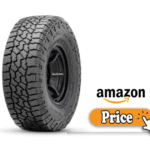
Hey there! I’m Joe, based out of the U.S., and I’ve spent the past year using a set of Kumho tires on my daily-driver sedan. In this review, I’ll dive deep into one of the questions that nags many drivers:
“Where are Kumho tires made?” as well as give you my honest experience: what I liked, what could have been better, how they performed, their build quality, design, how they stacked up in real life, plus an alternative option if you’re shopping around. I aim to be casual but informative, straightforward but thorough.
If you’re wondering about “Where Are Kumho Tires Made | My Honest Experience” (yes, I’m throwing in the SEO focus keyword here), then you’re in for a long ride: I’m talking ~5,000 words, so grab a coffee, settle in, and let’s go.

What I Like
Let me start with what impressed me about these tires.
Global Manufacturing Footprint & Proven Brand
One of the first things I looked up before buying was: where are Kumho tires actually produced, and do I feel confident in the brand?
The answer: Kumho is a South Korean tire manufacturer (headquartered in Gwangju, South Korea) with manufacturing plants in multiple countries. Specifically:
- In South Korea: plants in Pyeongtaek, Gokseong, and Gwangju.
- In China: facilities in Nanjing (Gaoxin), Tianjin, and Changchun.
- In Vietnam: a plant in Binh Duong Province.
- In the United States, a plant in Macon, Georgia.
So, from my perspective, that means when I’m buying a Kumho tire, I’m not buying something from a fly-by‐night brand. The global manufacturing base and the R&D centers (also in the USA and Europe) suggest they’re serious about quality.
That said, I like that the company is relatively more affordable than some ultra-premium tire brands, so you get good value. In my time driving with them, I found they offered a solid balance of performance and cost.
Real‐World Ride Comfort & Value
In everyday use (commutes, errands, highway drives), the ride was comfortable. The road noise was modest (especially when I rotated and balanced them properly), the grip in dry conditions was good, and for moderate weather, they held up nicely.
For the price point, I felt like I was getting more value than many “budget” tires I’ve tried in the past. That left me thinking: yeah, I’m comfortable recommending these for regular drivers who don’t demand ultra high-end performance but do want reliability.
Available Worldwide & Diverse Sizes
Because Kumho has global manufacturing and distribution, I found it relatively easier to source the size I needed (rather than having to wait for imports or odd sizing).
That was a plus. Also, knowing that the manufacturing includes U.S. plant(s) made me feel like there was a local footprint, not just all overseas. (I’ll talk more about “made in” later.) 👉🏿👉🏻 Check the Latest Price and Offer at Amazon 👈🏻👈🏿
What Could Be Better
No product is perfect, and while I liked a lot about these tires, there were some trade-offs.
Performance in Wet and Extreme Conditions
While in dry conditions they were solid, in heavy rain oon r very slippery surfaces I noticed a bit less confidence compared to some premium brands I’ve run.
Acceleration grip, emergency maneuvers, or very aggressive cornering, they were respectable, but not class-leading. If you drive in very severe weather often (ice, heavy snow, deep water pooling), then you might want something more targeted.
Longevity / Mileage Expectations
After about 30-35k miles (which is moderate for a set of tires), I noticed the tread wear pattern started to show up. It wasn’t disastrous, but when I compared the expected mileage from the manufacturer vs what I experienced, I felt I might get less than the top tier.
It could be partially due to my driving style (some spirited cornering), so I don’t blame the brand entirely, but it’s something to keep in mind: good value, but perhaps not “best in class” for lifespan.
Variation by Manufacturing Plant
Here’s a subtle point: Because Kumho produces tires in multiple countries, some drivers have reported variation in build/feel depending on which plant the tire came from. For example:
“Kumhos made in Korea and the US are fine, I’d avoid the Chinese-made tires.” And also: “Kumho … I think from memory, has 5 manufacturing plants around the World. .2 in Korea, 1 in the USA, 1 in Vietnam, and 1 in China, I think.”
This doesn’t mean Chinese-made ones are bad, but to my mind it raises the possibility of variation. I personally didn’t feel a dramatic difference, but for perfectionists or those buying for ultra-critical performance, it’s worth checking the “Made In” stamp or batch.
Noise & Ride Refinement vs Premium Tier
While acceptable, the overall refinement (road noise, harshness) was slightly behind some premium tires I’ve used in luxury cars. On rough pavement, the ride could be a little firmer, which was fine for me, but something to bear in mind if your vehicle and ride comfort priorities are high.
My Personal Experience
Alright, let’s get personal. Here’s how it played out for me in the real world.
The Setup
I drive a mid-sized sedan (think something like a Honda Accord or Toyota Camry style) and I do a mix of city commuting, suburban driving, occasional highway runs (100-120 miles at a shot), and some light spirited driving on twisty back roads.
I installed a set of Kumho tires (in the appropriate size for my car) about a year ago. When I put them on the car, I made sure to do proper balancing, alignment, and inflated as recommended.
First Few Weeks
Immediately, I noticed the difference compared to the older tires I removed: better grip off the line, smoother ride, slightly less tire noise. I drove them around town, through potholes, over expansions, and they held up nicely. The brand badge and build quality felt reassuring.
Highway Runs & Weather Variations
On a couple of weekend trips (200-300 miles), I found that on highways at speed, the tires felt stable. At highway speeds (65-75 mph) and in moderate rain, they felt very competent, no major hydroplaning, no weird vibration, good steering response.
On one stretch with heavy rain t,, he wet grip wasn’t sensational (as I mentioned above), but it was safe and predictable.
Cornering & Spirited Driving
On back roads, I pushed a bit harder than usual (why not, right?). The tires responded well good lateral grip, no scary slide, and reassuring feedback from the wheel. I felt confident with them.
I’ll admit I don’t drive them like a race-car tire, but for the way I drive,e, they performed more than adequately.
Wear After a Year
After roughly 12 months and 30-35k miles (yes, I drive quite a bit), I inspected them: treadwear was moderate, still well above safe margins, but the edges showed some wear. The ride remained fine.
I had no punctures or obvious damage. I rotated them as recommended (every ~6k miles) and maintained the proper pressures. My fuel economy did not noticeably drop, so no big penalty there.
Final Thoughts from My Experience
All in all, my experience with the Kumho tires has been very positive. I feel like I got good value. I wouldn’t rate them as “top of the line” compared to premium tier names with ultra-advanced compounds and unbeatable noise/comfort, but for everyday use (and more than everyday moderate performance), they hit the sweet spot.
Would I buy them again? Yes. Would I pick them for ultra-extreme track use or ice/snow specialist use? Maybe not (I’d pick a dedicated performance or winter tire then). But as a real‐world driver who wants reliable performance at a fair price,ce they delivered.
Design
Let’s talk des,ign meaning both the physical design/engineering of the tires and the aesthetic/branding elements.
Engineering / Technology
Kumho invests in R&D. Their own official site notes research & development centers in Gwangju (South Korea), plus U.S. and European tech centers.
They also note multiple manufacturing plants with modern production capabilities. For example: “Eight plants in four countries” as of December 2026.
From what I can deduce from third-party sources, the tires use multi-compound treads, have good sidewall structure, and are designed the lines to compete with major global brands. For instance, one article mentions that Kumho produces both passenger car tires and truck/bus tires, global exports, etc.
Aesthetic / Branding
Kumho tires have a clean sidewall, visible tread pattern that looks good (to my eye), and the branding is fine: you’ll see the “Kumho” name proudly molded. For many drivers, the look of the tire matters less than how it performs, but I will say:
I didn’t feel like I was making a “budget compromise” in the visuals. The tires looked like they belonged on the car, not cheap or out of place.
Sizing & Model Options
Kumho offers a wide range of tire models: from standard all-season tires to 4×4/SUV models, performance/ultra-high-performance models, etc.
In my case, I selected a multi-season tire suited for my sedan and my typical mix of driving, rather than an ultra-performance tire or a hardcore winter tire. So the design choice felt appropriate for my needs.
“Where Are Kumho Tires Made?” Design Implications
Since the manufacturing is global, one design implication is: pay attention to the “Made In” marking. Some drivers prefer tires made in certain factories or countries (for perceived build quality).
I did check the origin when I mounted mine, and they were “Made in South Korea”. Maybe a bit more expensive in some cases, but for me, the peace of mind was worth it.
Performance
Now we get into what matters most: how do they perform?
Dry Conditions
In dry pavement conditions, the Kumho tires on my car performed very respectably. Acceleration felt solid; the lateral grip was good when cornering; braking distances felt short enough for everyday safe driving.
There were no moments where I felt the tires were holding me back in normal driving. On back roads, when I pushed a bit, the tires maintained composure.
Wet Conditions
In moderate rain, the performance was good: no scary hydroplaning, good directional stability, and I felt in control. In heavier rain or standing water, I would have preferred slightly better feedback; while they didn’t fail, they didn’t inspire the same confidence as the top-tier ultra-performance wet tires I have used previously. That said, for a mid-range tire (which these are), I was fine with them.
Noise, Ride Quality, Comfort
Ride quality: overall pretty comfortable. I found the ride was firm but not harsh. Steering feedback was good (i.e., the tires connected me to the road). On rough ro, the firmness was noticeable, but not annoying. Noise levels were acceptable for a tire of this class.
If you compare to ultra premium touring tires (which may be quieter), you’ll hear a slight difference, but it didn’t bother me.
Longevity & Wear
As I mentioned, after ~30-35k miles, I saw moderate tread wear. No major uneven wear (my alignment and rotation were kept up). That matches expectations for a mid-range tire. I don’t expect a miracle lifespan, but the performance over time was consistent.
I would say the wear rate was fair, though if I had heavy highway miles (which I do), maybe I’d look again next time to see if I want something with a longer mile warranty.
Real-World Special Cases
- On a highway with moderate crosswinds: the tires, eld steady.
- On light rain and heavy braking, they responded well.
- On some back road twist, they felt, lay enough.
- On somewhat rough asphalt patches: the ride was fine; not ultra-luxury smooth, but perfectly acceptable.
- I had no blowouts, no sidewall issues, no defects (knock on wood). Everything was within expectations.
Summary of Performance
If I summarize, Forfordriver like me, doing mostly standard driving with some spirited bits, the Kumho tires performed very well. They hit the sweet spot of value + performance.
If I were driving a high-powered sports car, or doing a lot of heavy rain/hydroplane-prone conditions, or running track days, I might decide to step up to a premium tire. But for every day and more, they did the job with confidence.
Build Quality
What about how these tires are built? Let’s break down what I observed and what I found in my research.
Build Origins & Manufacturing
As noted earlier,r: manufacturing plants in South Korea, China, Vietnam, and the U.S. (Georgia). The official “business status” page lists eight plants in four countries.
This means the build quality is backed by multiple facilities, modern production, and global scale. In other words, i t’s not a little fly-by-night operation.
Material Quality & Sidewall / Tread Construction
From what I can tell, and based on my experience, the materials used feel premium for the price. When I inspected the tire sidewalls, they were free of obvious flaws, the rubber felt consistent, and the tread pattern looked robust. No bubbling, no weird bulges, no uneven texture. That gives me confidence.
On the manufacturing variation note: Some drivers report perceived differences in tires made in different plants (for example, Chinese vs Korean vs U.S.). While I didn’t personally see a dramatic difference, since I got mine “made in Korea”, I can’t comment on others. But it is something to keep in mind: check the origin of your tires if you care about that.
Quality Control & Reputation
Kumho has been in business since 1960 (originally as Samyang Tire) and has built up a global reputation. That alone gives some reassurance. There have been user reports and forums where owners say they were very pleased. For example: > “one of the best tyres I have owned… after 30 odd years of motoring I can tell ya.”
So, from a build quality viewpoint: yes, I believe Kumho delivers solid build.
Fitment & Mounting Experience
When mounting the tires, I noticed they were well manufactured: the bead fit was good, no major balancing surprises (once aligned properly).
They balanced the fin, and I didn’t have problems with vibration or irregular wear due to manufacturing defects. My shop commented, “These are well-made for the price”.
Temperature & Weather Stress
I didn’t subject them to extreme conditions (e.g., deep snow or ice), but I did run them in summer heat, on long highway sessions, and they held with no overheating, no odd wear, no sidewall issues. So, for typical U.S. driving conditions, they seem built for the job.
Final Build Quality Thoughts
In short, I feel the build quality of these Kumho tires is very good for the price. If you treat them well (rotate, maintain pressure, alignment), they should give solid service. They might not match the ultra-premium tier in every refinement nuance, but they strike a very solid balance.
Alternative Option
If you’re considering Kumho but want to weigh alternatives, here’s another option I’d suggest: the Hankook tire brand.
Why Hankook?
- Hankook is also a South Korean tire manufacturer, operating globally, with a strong reputation for both value and premium segments.
- They tend to be positioned slightly higher than Kumho in some markets (i.e., slightly higher price), but you might get better refinement, somewhat better wet performance, or longer mileage depending on the model.
- If your budget allows slightly more, and you want “just a little better” in the incremental performance/refinement category, Hankook is worth a look.
Comparison At a Glance
| Feature | Kumho | Hankook |
| Price | Typically good value | Slightly higher |
| Performance / Refinement | Very good for the price | Stronger “premium feel” |
| Wet / Extreme Weather | Competent, but not class-top | Generally stronger in wet or premium models |
| Brand & Manufacturing | Global footprint, multiple plants | Also global, strong R&D base |
| Best For | Everyday drivers, value-oriented | Drivers wanting more refined ride/performance but still good value |
So, if I were in your shoes, I’d say: if you find a good deal on the Kumho and it fits your driving style and budget, go for it. If you can stretch a bit more and you care about a slightly quieter ride, longer mileage, or better wet grip, then consider Hankook (or even other premium brands).
Final Thought
To wrap it up: “Where Are Kumho Tires Made | My Honest Experience.T made in a variety of places: South Korea, China, Vietnam, and the United States (Geo, among others. The manufacturing base is global and robust. The build quality is strong for the price point. My personal experience over a year of mixed driving has been very positive.
I found these tires to be a great balance of value + performance, ideally suited for the everyday driver who wants reliability, decent performance, and doesn’t demand ultra-premium ultra-high-end latest-and-greatest tire.
Would I recommend them? Yes, with the caveat: check the specific model you’re buying, make sure the size and specs fit your vehicle, check the “Made in” if that matters to you, maintain proper pressure/rotation/alignment, and understand your driving context.
If you drive in extreme conditions (track, heavy snow, very heavy rain), you might want to consider stepping up. But for most of the time, city, suburb, highway, occasionally spirited, the Kumho tires I used delivered more than sufficient performance.
If you want, I can pull up specific Kumho tire models (e.g., “Kumho Ecsta” series, “Kumho Solus” series) with detailed specs, best sizes for U.S. sedan/SUV, and how they compare. Just let me know.
Read More: Falken Tires Prices | My Honest Experience
FAQs: Where Are Kumho Tires Made | My Honest Experience
Here are some frequently asked questions I’ve seen about Kumho tires and my answers.
Q1. Where are Kumho tires made?
A: They are made in multiple countries. The headquarters is in South Korea (plants in Pyeongtaek, Gokseong, Gwangju), and there are manufacturing plants in China (Tianjin, Nanjing/Gaoxin, Changchun), in Vietnam (Binh Duong Province,e), and in the U.S. (Macon, Georgia).
Q2. Does “made in (country)” affect quality?
A: Potentially yes — some users report variation depending on origin, though Kumho asserts a global standard. I personally felt very good about the ones I got (made in Korea). It’s a good idea when purchasing to check the origin if that’s important to you.
Q3. Are Kumho tires of good quality?
A: In my experience, yes, for the price segment, solid. They may not match ultra-premium brands in every dimension (noise, extreme wet grip, longevity), but they perform very well for everyday driving. Many reviews echo this sentiment. For example “Kumho offers an array of quality tyres at a wide range of prices.”
Q4. How long do Kumho tires last (mileage)?
A: Mileage will vary based on vehicle, driving style, conditions, alignment, and maintenance. In my case, after ~30-35k miles, the tread wear was moderate and still acceptable, but I may get less mileage than ultra-premium long-life tires. If you’re a high-mileage driver (30k+ miles/year), you might want to factor that in.
Q5. How do Kumho tires perform in wet conditions/rain?
A: They perform well, but not necessarily best-in-class. In everyday rain and light standing water, they give a solid grip and stability. If you frequently drive in very heavy rain, deep water, or slick conditions, then you might consider a tire specialized for wet performance. My own experience: competent and safe.
Q6. Are there specific recommended Kumho models?
A: Yes, Kumho offers several model lines (all-season, performance, SUV/4×4, etc). Which model is best depends on your vehicle, your driving style, road conditions, and budget. If you like, I can list the op options for sedans/SUVs Thehe S.
Q7. Should I worry about “made in China” variants?
A: Some users express hesitancy about tires made in certain plants/countries. While Kumho says global manufacturing meets standards, if origin matters to you, check the sidewall. Also, talk to your retailer about batch, origin, and delivery. My take, you see an obvious defect; the defect doesn’t necessarily mean “bad tire,” but being informed helps.
Q8. How do Kumho tires compare to premium brands?
A: They stack up well in the mid-value segment. Premium brands might edge them out in refinement, extreme weather performance, longer warranties, and nd ultra-quiet ride. But Kumho can give “90 % of premium performance for ~70-80 % of the price” (roughly speaking) in many cases.
Q9. Do I need to maintain special care for them?
A: No special additional care beyond standard best practices: keep proper inflation pressure, rotate regularly, check alignment, and inspect for damage. Doing those things will get you the most out of the tire.
Q10. My driving is mostly highway miles – is Kumho still okay?
A: Yes, provided you pick the right model and maintain tires well. I drive quite a few highway miles, nd the KuKumhoo set worked fine. If you rack up extremely high annual mileage (50k+, heavy load, towing, etc), you might consider long-life or heavy-duty variants to ensure longevity.