Bushings are small, often overlooked parts in your car, but they play a critical role in how your vehicle feels on the road. In simple terms, Bushings are soft, flexible cushions (usually made of rubber or polyurethane) placed between metal parts to reduce friction, vibration, and noise.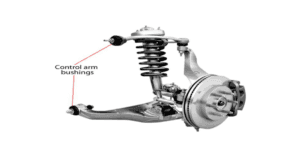 They act like shock absorbers between components that would otherwise grind, rattle, or wear each other out. Think of them as the joints and padding in your car’s skeleton.
Where Are Bushings Found?
Bushings are everywhere in your car’s moving systems, especially:
- Suspension system (control arms, sway bars)
- Steering components
- Engine mounts
- Transmission mounts
Every time your car hits a bump or turns a corner, bushings are quietly working to keep things smooth and controlled.
My First Experience With Bad Bushings
I’ll be honest, I didn’t even know what bushings were until my car started making this annoying clunking sound over bumps. At first, I thought it was something serious (and expensive).
But after inspection, it turned out to be worn suspension bushings. After replacing them, the difference was night and day:
- Smoother ride
- Less vibration
- No weird noises
It felt like driving a newer car.
Types of Car Bushings
Not all bushings are the same. Different parts of your car use different types depending on their function.
1. Rubber Bushings
- Most common
- Soft and quiet
- Comfortable ride
2. Polyurethane Bushings
- Stiffer and more durable
- Better handling
- Slightly more vibration
3. Spherical (Performance) Bushings
- Used in racing or high-performance setups
- Maximum control
- Minimal comfort
Comparison Table: Rubber vs Polyurethane Bushings
| Feature | Rubber Bushings 🟢 | Polyurethane Bushings 🔵 |
| Comfort | Excellent | Moderate |
| Noise Reduction | Very Quiet | Slightly Noisy |
| Durability | Medium | High |
| Performance | Standard | Improved Handling |
| Cost | Affordable | Slightly Higher |
| Maintenance | Low | Moderate (may need lubrication) |
| Best For | Daily Driving | Performance/Enthusiasts |
Signs Your Bushings Are Worn Out
This is where things get practical. Here are the most common symptoms:
1. Clunking or Knocking Sounds
Especially when going over bumps.
2. Excessive Vibration
You feel more on the road than usual.
3. Loose Steering
The car feels less responsive.
4. Uneven Tire Wear
Bad bushings can affect alignment.
5. Poor Handling
Cornering feels unstable or sloppy.
If you notice 2–3 of these signs, it’s worth getting your car checked.
Why Bushings Matter More Than You Think
A lot of people ignore bushings because:
- They’re cheap
- They’re hidden
- They don’t seem urgent
But here’s the reality:
👉 Worn bushings can damage other parts
👉 They affect safety and control
👉 They make your ride uncomfortable
Replacing them early can actually save money long-term.
Buyer’s Guide: Choosing the Right Bushings
If you’re considering replacing bushings, here’s what you need to know.
1. Know Your Driving Style
- Daily commuting: Go with rubber bushings
- Sporty driving: Polyurethane is better
- Track use: Performance bushings
2. Check Compatibility
Bushings must match:
- Your car make/model
- Specific component (control arm, sway bar, etc.)
3. Consider Ride Comfort vs Performance
Ask yourself:
- Do I want comfort or precision?
Because you usually can’t maximize both.
4. Budget Wisely
- Rubber: cheaper upfront
- Polyurethane: longer lifespan
Sometimes paying more once saves money later.
5. Installation Matters
Bushings can be:
- Press-fit (harder DIY)
- Bolt-on (easier)
If you’re not experienced, labor costs can add up.
Installation: DIY or Mechanic?
From personal experience:
DIY Pros:
- Saves money
- Learning experience
DIY Cons:
- Requires tools (press, jack, etc.)
- Time-consuming
Mechanic Pros:
- Fast and professional
- Proper alignment afterward
My Advice:
If it’s your first time → go to a mechanic
If you enjoy working on cars → try DIY
How Bushings Affect Ride Quality
Bushings absorb micro-vibrations that your suspension alone can’t handle. Without them, every small bump transfers directly into the cabin. This is why older cars often feel:
- Rough
- Noisy
- Loose
Replacing bushings restores that “tight” feel.
The Science Behind Bushings
Bushings work by:
- Allowing controlled movement
- Absorbing kinetic energy
- Reducing metal-to-metal contact
Materials matter because:
- Rubber = elasticity + comfort
- Polyurethane = rigidity + control
Common Mistakes People Make
❌ Ignoring Early Symptoms
Small noises turn into big repairs.
❌ Mixing Bushing Types
Leads to inconsistent handling.
❌ Cheap Parts
Low-quality bushings wear out quickly.
How Long Do Bushings Last?
Typical lifespan:
- Rubber: 50,000–100,000 km
- Polyurethane: 100,000+ km
But this depends on:
- Road conditions
- Driving style
- Climate
Cost Breakdown
Here’s a rough estimate:
| Item | Cost Range |
| Bushings (parts) | $20–$200 |
| Labor | $100–$500 |
| Full suspension job | $500–$1500 |
Are Polyurethane Bushings Worth It?
From my experience:
✔ Yes, if you want sharper handling
❌ No, if comfort is your priority
They make the car feel tighter, but you’ll feel more road vibration.
When You Should Replace Bushings
Replace them when:
- You hear consistent noise
- During suspension overhaul
- After 5–7 years (preventive maintenance)
Read More: Resurface Car Rotors | A Real World Review
FAQs: What Are Bushings On A Car | A Real World Guide
1. Are bushings expensive to replace?
Not really. Parts are cheap, but labor can increase the cost.
2. Can I drive with bad bushings?
Yes, but it’s not recommended. It affects safety and can damage other parts.
3. Do bushings improve performance?
Absolutely. Especially polyurethane ones.
4. How do I check bushings?
A mechanic usually inspects them visually or during suspension checks.
5. Are all bushings the same?
No different parts require different shapes and materials.
Final Thoughts
Bushings might be small, but they’re one of those components that quietly define how your car feels every day.
From my own experience, replacing worn bushings was one of the most noticeable upgrades I’ve made and one of the most affordable.
If your car feels:
- Noisy
- Loose
- Uncomfortable
…it might not be a major problem; it could just be bushings.