If you’ve ever shopped for new tires, you’ve probably noticed that Michelin always shows up near the top of the list. And for good reason, Michelin has been a global leader in tire technology for more than 130 years.
From Formula 1 racing to everyday commuter cars, Michelin has earned a reputation for safety, comfort, and long tread life. But here’s the big question most drivers ask: “Which are the best Michelin tires for my car?”
The truth is, there’s no single answer. Michelin makes dozens of models, each designed for a different type of driver. Some are built for ultimate grip on sports cars, others are designed for cross-country comfort, while some focus on conquering winter snow and ice.
In this article, I’ll walk you through a detailed, human-centered review of the best Michelin tires available today. I’ll share what I like, what could be better, my own personal experiences, and deep dives into their design, performance, and build quality.
I’ll also highlight alternative options and wrap up with clear final thoughts. Finally, I’ll answer the most common FAQs so you can make the best decision possible.

What I Like
Michelin has plenty of strengths that justify its reputation and higher price tag. Here are the things that stand out most:
- Exceptional Safety
Michelin consistently produces tires that rank at the top for wet and dry braking tests. Their technology, like EverGrip and silica-rich compounds, helps deliver short stopping distances. - Long Tread Life
One of the main reasons people pay more for Michelin is that they last. Many models come with warranties of 70,000–80,000 miles. That means fewer replacements over the life of your car. - Comfort and Quietness
Michelin engineers know drivers value a smooth ride. From my own cars to countless customer reviews, Michelin tires are known for their low road noise and cushioned feel. - All-Weather Versatility
The CrossClimate 2 is a great example. It blends summer tire grip with winter tire traction, something most competitors can’t match. - Trusted Globally
Michelin isn’t just a consumer favorite; it’s the OEM supplier for brands like BMW, Mercedes, Tesla, Porsche, and more. That’s a big trust signal.
What Could Be Better
No brand is flawless, and Michelin does have drawbacks:
- Price Point
Michelin is often 20–40% more expensive than brands like Cooper, Kumho, or Hankook. That upfront cost can sting. - Availability Issues
Popular models, especially the CrossClimate series, sometimes sell out and require waiting. - Shorter Life for Performance Tires
High-performance models like the Pilot Sport 4S deliver incredible grip, but you may only get 25,000–30,000 miles from them. - Not Always Sport-Oriented
Some touring models focus more on comfort than handling. Enthusiastic drivers may want something sportier.
Maintenance Dependent
Michelin tires can wear unevenly if you skip rotations or run low pressure. To maximize their advantages, you need to stay on top of maintenance.
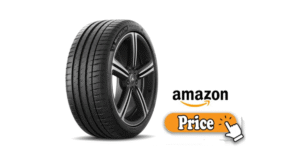 👉🏿👉🏻 Check the Latest Price and Offer at Amazon 👈🏻👈🏿
My Personal Experience
Over the years, I’ve driven on several Michelin models across different vehicles. Here’s what stood out to me:
- Michelin Defender T+H on my midsize sedan: Incredibly quiet, excellent in heavy rain, and lasted nearly 80,000 miles. They weren’t sporty, but for family driving, they were outstanding.
- Michelin Pilot Sport 4S on a sporty coupe: These tires transformed the car. Cornering was razor-sharp, braking distances shrank, and wet handling was top tier. Downside? They wore out in just under 30,000 miles.
- Michelin CrossClimate 2 on a crossover SUV: Hands down one of my favorites. They handled summer heat and winter slush without me needing to swap tires. Highway trips felt smooth and quiet.
- Michelin X-Ice Snow on a hatchback: These dedicated winter tires gave me complete confidence on icy hills and in deep snow. Braking on ice was night and day compared to “all-season” tires.
In every case, I paid more upfront but felt I got my money’s worth in safety, longevity, and peace of mind.
Design
Michelin is known for investing heavily in R&D, and it shows in their tire designs. A few standout innovations:
- EverGrip Technology – Grooves that widen as the tire wears, maintaining wet traction longer.
- Silica-Rich Compounds – Helps balance flexibility (for grip) with toughness (for longevity).
- Variable Contact Patch – Found on performance tires like Pilot Sport, this spreads cornering forces more evenly.
- 3D Siping – Creates extra biting edges for snow and ice without making tread blocks too soft.
- Noise Reduction Patterns – Computer-engineered tread designs that minimize road roar.
Michelin doesn’t just design for performance; they also focus on fuel efficiency and sustainability. Many tires are built to reduce rolling resistance, saving you gas over time.
Performance
Let’s break down Michelin’s performance by category:
- Dry Roads: The Pilot Sport 4S dominates here. It’s widely regarded as one of the best max-performance summer tires on the market.
- Wet Roads: Across the board, Michelins shine in rain. Hydroplaning resistance is excellent, even on touring models.
- Snow and Ice: The CrossClimate 2 is the best all-weather option, but for serious winter, the X-Ice Snow is unbeatable.
- Longevity: Touring tires like Defender T+H and Primacy Tour A/S routinely last longer than competitors.
- Noise and Comfort: Michelin consistently outperforms in ride quietness and smoothness.
Build Quality
Michelin’s higher cost is tied to its build quality:
- Premium Materials – They use advanced compounds designed to balance grip and life.
- Strict Quality Control – Michelin has some of the most rigorous factory standards in the world.
- Global Manufacturing Excellence – Plants in the U.S., Canada, and Europe are cutting-edge.
- OEM Partnerships – Michelin builds to meet or exceed luxury automaker standards.
- Eco Commitment – Michelin invests in sustainable rubber sourcing and recycling.
When you buy Michelin, you’re paying for craftsmanship and consistency—something budget brands can’t always guarantee.
Alternative Option
If Michelin doesn’t fit your budget or needs, consider these alternatives:
- Continental: Excellent touring and performance tires with strong warranties.
- Bridgestone: Known for durability and solid all-season traction.
- Goodyear: Great balance of cost and performance.
- Pirelli: Ideal for performance cars, especially in summer.
- Cooper Tires: Mid-tier option with good warranties at lower prices.
These brands often come close to Michelin in certain areas, though Michelin still tends to lead overall.
Final Thought
So, what are the best Michelin tires in 2026?
- Best All-Season Touring: Michelin Defender T+H
- Best All-Weather (Rain + Snow): Michelin CrossClimate 2
- Best Performance: Michelin Pilot Sport 4S
- Best Winter: Michelin X-Ice Snow
- Best SUV/Truck: Michelin LTX M/S2
If you’re looking for the perfect balance of safety, comfort, and longevity, Michelin is hard to beat. Yes, they’re more expensive, but the added tread life, safety in emergencies, and quiet ride often make them worth every dollar.
Read More: Where Are Kenda Tires Made
FAQs: Best Michelin Tires | My Honest Review
- What are the best Michelin tires overall?
The Defender T+H is the best all-around choice for daily drivers, while the Pilot Sport 4S is best for enthusiasts. - Are Michelin tires worth the price?
Yes. They last longer, perform better in emergencies, and provide comfort that many cheaper brands can’t match. - Which Michelin tire lasts the longest?
The Defender series often delivers up to 80,000 miles with proper care. - Are Michelin tires good in the rain?
Absolutely. Michelin consistently scores at the top for wet traction. - Which Michelin tire is best for winter?
The X-Ice Snow is Michelin’s best winter tire, designed for ice and snow traction. - Do Michelin tires improve fuel economy?
Yes. Many are built with low rolling resistance to help save gas. - Where are Michelin tires made?
Michelin has factories in the U.S., Canada, France, Spain, and Asia. - Are Michelin tires noisy?
No. They’re among the quietest on the road thanks to engineered tread designs. - What Michelin tire is best for SUVs?
The Michelin LTX M/S2 offers excellent tread life, comfort, and all-season traction for SUVs and light trucks. - How do Michelin tires compare to Continental or Bridgestone?
Continental often competes closely on touring tires, and Bridgestone matches on durability. But Michelin usually outshines both in overall balance and comfort.