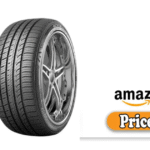
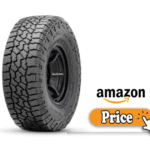
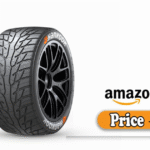
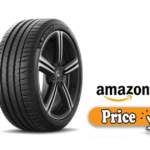
In a world where every drive counts, whether it’s a daily commute, a road trip, or simply picking up groceries, your vehicle’s performance and safety depend heavily on the quality of its tires. Bridgestone, a name synonymous with durability and innovation, is a go-to brand for drivers seeking performance, reliability, and safety.
If you’ve recently searched “Bridgestone Tires Near Me,” you’re not alone. Thousands of drivers are seeking top-tier tires that strike a balance between safety, longevity, and comfort.
In this comprehensive review and buying guide, we’ll delve into everything you need to know about Bridgestone tires, from design and performance to alternatives and personal experiences.
Whether you’re a seasoned car enthusiast or a first-time buyer, this article is your roadmap to making the right tire decision.

What I Like About Bridgestone Tires
1. Wide Product Range
Bridgestone offers an extensive lineup for virtually every type of driver and vehicle. From high-performance sports tires to rugged all-terrain options for SUVs and trucks, Bridgestone has you covered. The diversity makes it easy to find the perfect match for your driving style and climate.
2. Exceptional Traction and Handling
One of Bridgestone’s strongest suits is how its tires grip the road. Whether it’s wet, dry, or snowy, their advanced tread technology ensures consistent traction and handling. This is especially important if you live in areas with unpredictable weather.
3. Long Lifespan and Treadwear Warranties
Bridgestone tires often come with extensive warranties, some reaching up to 80,000 miles. This durability provides peace of mind and long-term savings.
4. Fuel Efficiency
With eco-conscious technology like the Ecopia line, Bridgestone reduces rolling resistance, enhancing fuel economy. That’s not just good for your wallet, it’s better for the planet.
5. Innovative Technology
Their DriveGuard technology allows you to keep driving even after a puncture up to 50 miles at 50 mph. It’s perfect for those “middle-of-nowhere” flats.
What Could Be Better
While Bridgestone tires excel in many areas, no product is without its flaws. Here are some areas where there’s room for improvement:
1. Premium Pricing
You often get what you pay for, and Bridgestone isn’t the cheapest option on the market. Budget-conscious shoppers might find their prices slightly steep compared to competitors.
2. Availability in Rural Areas
Although a quick search for “Bridgestone Tires Near Me” yields plenty of results in urban settings, rural locations may have limited access or fewer installation partners.
3. Noise Levels
While most Bridgestone models are quiet, certain performance-oriented tires tend to produce more road noise than expected, especially at high speeds.
4. Stiff Ride in Some Models
Performance and run-flat tires, while excellent in durability and speed, can feel a bit rigid over potholes and uneven surfaces. 👉🏿👉🏻 Check The Latest Price and Offer at Amazon 👈🏻👈🏿
My Personal Experience with Bridgestone Tires
I’ve driven on various tire brands over the past 15 years, but Bridgestone consistently stands out for its balance of performance, durability, and safety.
My most recent experience was with the Bridgestone Turanza QuietTrack, installed on a mid-size sedan.
First Impressions
Immediately after installation, I noticed a substantial improvement in road noise, almost whisper-quiet compared to my previous set. Handling was responsive, especially on tight turns and during heavy rain.
Long-Term Performance
After 25,000 miles, there’s minimal tread wear, and the performance remains consistent. I’ve driven through heavy rainstorms, light snow, and long highway journeys without ever feeling unsure about grip or stability.
Customer Support
When I had a nail in one tire, Bridgestone’s DriveGuard technology allowed me to drive to the nearest service center without needing a tow. That kind of real-world benefit turns convenience into safety.
Design: Form Meets Function
Bridgestone takes tire design seriously, blending aesthetics with performance.
Tread Patterns
Their varied tread design, from asymmetrical to directional engineered for specific tasks: water displacement, enhanced grip, quieter rides, or superior cornering.
For example, the Potenza series features aggressive tread for sports enthusiasts, while the Turanza offers smoother grooves for luxury comfort.
Sidewall Construction
Strong and adaptive, Bridgestone tires have reinforced sidewalls that reduce damage from potholes and curbs. The branding and styling also add to a sleek overall appearance.
Environmental Focus
The Ecopia line features recycled materials and environmentally friendly compounds, showing Bridgestone’s commitment to sustainability.
Performance: How Do Bridgestone Tires Handle?
Dry Performance
In dry conditions, Bridgestone tires excel. Models like Potenza RE980AS+ offer race-like grip and razor-sharp response. Cornering and braking are tight and precise.
Wet Performance
Tires like the WeatherPeak and Dueler H/L include deep grooves and advanced compounds that channel water away quickly, minimizing hydroplaning risk.
Winter Performance
With the Blizzak line, Bridgestone has set industry standards for snow tires. These tires offer excellent grip on ice and snow, making them a trusted companion in cold climates.
All-Season Versatility
Bridgestone’s all-season models offer dependable performance year-round, reducing the need to switch tires each season.
Build Quality: Engineered to Last
Bridgestone’s global reputation for excellence stems from its manufacturing consistency and rigorous testing. Their tires undergo extensive real-world and simulated performance testing.
Materials
Premium rubber compounds and steel-reinforced belts provide strength without sacrificing flexibility. Some models use silica-enhanced rubber for better fuel efficiency and grip.
Quality Control
Tires are scanned for structural integrity and balance before leaving the factory. This minimizes returns and failures, contributing to their trusted reputation.
Durability
From construction trucks to daily drivers, Bridgestone tires are built to endure. The average lifespan easily reaches 50,000–70,000 miles, depending on the model and driving conditions.
Alternative Options to Consider
If you’re on the fence or want to compare before buying, here are some solid alternatives to Bridgestone:
1. Michelin
A close competitor, Michelin offers superior comfort and longevity. However, their s also come with a premium price tag.
2. Continental
Continental is known for outstanding wet-weather performance and affordability, especially in its all-season lines.
3. Goodyear
Offers solid performance and innovation. Their Assurance WeatherReady model rivals Bridgestone’s all-season offerings.
4. Pirelli
Best known for high-performance vehicles, Pirelli offers sleek, responsive tires perfect for luxury and sports cars.
Still, Bridgestone remains a top-tier choice for balanced performance across conditions.
Read More: Are Goodyear Tires Made In the USA
Final Thoughts:
If safety, reliability, and performance are your priorities, Bridgestone is a smart investment. Their wide variety of models means there’s likely a perfect fit for your vehicle just a short drive away.
Whether you’re a commuter battling potholes, an SUV driver tackling snow, or a highway cruiser chasing comfort, Bridgestone has a tire tailored to your needs.
When you search “Bridgestone Tires Near Me,” you’re not just looking for convenience, you’re looking for confidence on the road.
FAQs: Bridgestone Tires Near Me | My Honest Experience
Q1: Where can I find Bridgestone tires near me?
You can find Bridgestone tires at major retailers like Firestone Complete Auto Care, Costco, Walmart Auto, and most tire specialty shops. Use Bridgestone’s store locator online for the most accurate results.
Q2: Are Bridgestone tires good for all-season driving?
Yes, Bridgestone offers several all-season options like the Turanza QuietTrack and WeatherPeak, which are excellent for year-round use.
Q3: How much do Bridgestone tires cost on average?
Prices vary by model and size but typically range from $100–$250 per tire for passenger cars. High-performance or large truck tires may cost more.
Q4: Do Bridgestone tires come with a warranty?
Yes, many Bridgestone tires come with mileage warranties from 40,000 to 80,000 miles. They also offer a 90-day buy-and-try guarantee.
Q5: What’s the difference between Bridgestone and Firestone tires?
Bridgestone owns Firestone. While both brands are reputable, Bridgestone is considered the premium option, offering more advanced technology and longer tread life.
Q6: Are Bridgestone run-flat tires worth it?
Especially if you value peace of mind. Their DriveGuard series allows you to drive safely after a puncture.
Q7: Can I order Bridgestone tires online and install them locally?
Yes, many websites like Tire Rack and Discount Tire allow you to order online and choose a local installer during checkout.
Q8: How often should I rotate Bridgestone tires?
Every 5,000 to 7,500 miles is ideal to maintain even wear and prolong tire life.
Q9: Are Bridgestone tires eco-friendly?
Yes. Their Ecopia line is specifically designed to reduce CO2 emissions and enhance fuel efficiency.
Q10: Do Bridgestone tires perform well in snow?
Yes. Their Blizzak line is a market leader in winter tire performance, providing excellent traction on ice and snow.