If you’ve ever heard a mechanic say, “Your head gasket is blown,” you probably know it’s one of the most expensive phrases a car owner can hear. But what exactly is a head gasket, and why is it so important? When I first learned about car engines, I assumed the head gasket was just another rubber seal.
After researching and speaking with experienced mechanics, I discovered that it’s actually one of the most critical components inside every internal combustion engine. A failed head gasket can turn a perfectly running vehicle into an overheating, smoking, and expensive repair project.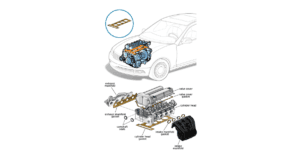 In this guide, I’ll explain everything you need to know in simple terms, from what a head gasket does to how to recognize failure, compare repair options, and choose the right replacement if yours ever needs changing.
Whether you’re a first-time car owner or simply curious about engine maintenance, this guide will help you understand one of your vehicle’s most essential parts.
What Is a Head Gasket?
A head gasket is a high-strength sealing component located between the engine block and the cylinder head.
Its job is much more important than simply preventing leaks. It seals three different systems inside the engine:
- Combustion chambers
- Engine oil passages
- Engine coolant passages
Because these systems operate under extremely high pressure and temperature, the head gasket must withstand thousands of explosions every minute while keeping oil, coolant, and combustion gases separated.
Without a properly functioning head gasket, the engine cannot operate efficiently or safely.
Why Is the Head Gasket So Important?
Think of the head gasket as the engine’s security guard.
It ensures:
- Compression stays inside each cylinder
- Coolant remains in cooling passages
- Engine oil lubricates moving parts
- Oil and coolant never mix
- Combustion gases remain contained
Even a tiny failure can lead to serious engine damage.
How Does a Head Gasket Work?
During engine operation:
- Fuel and air ignite inside the cylinders.
- The explosion pushes the pistons downward.
- Temperatures can exceed 2,000°C inside the combustion chamber.
- Coolant circulates nearby to remove heat.
- Engine oil lubricates moving parts.
The head gasket creates airtight and liquid-tight seals between these systems.
Without it, combustion pressure escapes, coolant leaks, oil mixes with coolant, and overheating quickly follows.
Types of Head Gaskets
Modern vehicles use different gasket materials depending on engine design.
| Type | Material | Durability | Common Use | Cost |
| Multi-Layer Steel (MLS) | Stainless Steel Layers | Excellent | Modern Cars | High |
| Composite | Graphite/Fiber | Good | Older Vehicles | Medium |
| Copper | Pure Copper | Excellent Performance | Racing Engines | High |
| Elastomer | Steel with Rubber Coating | Moderate | Some Older Engines | Low |
MLS head gaskets are now considered the industry standard because they tolerate high temperatures and pressures much better than older composite designs.
Signs of a Blown Head Gasket
Recognizing the symptoms early can save thousands of dollars.
Common warning signs include:
Engine Overheating
This is usually the first symptom.
Coolant leaks or combustion gases entering the cooling system reduce cooling efficiency.
White Smoke from Exhaust
Thick white smoke often means coolant is entering the combustion chamber and burning.
Milky Engine Oil
Oil mixed with coolant looks like chocolate milk.
This indicates a serious gasket failure.
Coolant Loss
If coolant disappears without visible leaks, the head gasket may be allowing coolant into the engine cylinders.
Engine Misfire
Loss of cylinder compression causes rough idling and poor performance.
Bubbles in the Radiator
Exhaust gases entering the cooling system create continuous bubbles.
Poor Fuel Economy
Loss of compression reduces engine efficiency.
Common Causes of Head Gasket Failure
Several factors can damage a head gasket.
Engine Overheating
The leading cause.
High temperatures warp the cylinder head and crush the gasket.
Poor Cooling System Maintenance
Old coolant loses its corrosion protection.
Engine Detonation
Abnormal combustion creates excessive cylinder pressure.
High Mileage
After many heat cycles, gasket materials naturally wear out.
Improper Installation
Incorrect torque on cylinder head bolts often leads to early failure.
Can You Drive with a Blown Head Gasket?
Technically, yes, but please don’t. Driving with a failed head gasket may cause:
- Severe overheating
- Bent cylinder head
- Cracked engine block
- Destroyed catalytic converter
- Complete engine failure
Repair costs can multiply quickly.
My Personal Opinion
From everything I’ve learned and observed, many drivers ignore the first warning signs because the vehicle still runs.
That’s a costly mistake.
If your temperature gauge suddenly climbs or your coolant disappears repeatedly, don’t keep driving. Early diagnosis often prevents complete engine destruction.
In my opinion, spending a little on diagnosis is far cheaper than replacing an engine.
Head Gasket Repair vs Replacement
| Feature | Repair Existing Gasket | Replace Head Gasket |
| Reliability | Temporary (if using sealants) | Permanent solution |
| Cost | Low | Higher |
| Lifespan | Weeks to months | Years |
| Risk | High | Low |
| Recommended | Emergency only | Yes |
Sealants should only be considered temporary emergency solutions.
Professional replacement is the correct repair.
How Much Does Head Gasket Replacement Cost?
Costs vary depending on vehicle type. Typical estimates:
- Small cars: $800–$1,500
- Mid-size sedans: $1,200–$2,000
- SUVs: $1,500–$3,000
- Luxury vehicles: $2,500–$5,000+
Most of the expense comes from labor rather than the gasket itself.
Can You Prevent Head Gasket Failure?
Absolutely. Preventive maintenance goes a long way. Best practices include:
- Check coolant monthly.
- Never ignore overheating.
- Replace coolant as recommended.
- Fix radiator leaks immediately.
- Replace a failing thermostat promptly.
- Ensure cooling fans operate correctly.
- Use the correct engine oil.
- Follow regular maintenance schedules.
Buyer’s Guide: Choosing the Right Head Gasket
Buying the correct head gasket is essential for a reliable repair.
1. Verify Vehicle Compatibility
Always match:
- Make
- Model
- Year
- Engine size
- VIN (if possible)
2. Choose the Right Material
For most modern vehicles, Multi-Layer Steel (MLS) offers the best durability.
Older engines may require composite gaskets.
3. Buy Trusted Brands
Well-known manufacturers often provide better quality control and longer service life.
4. Purchase a Complete Gasket Kit
Many repairs require replacing additional seals, such as:
- Valve cover gasket
- Intake gasket
- Exhaust gasket
- Valve stem seals
Buying a complete kit can save time and money.
5. Replace Head Bolts if Required
Many engines use torque-to-yield head bolts that should not be reused.
Always check your service manual.
6. Inspect Related Components
Before installation, inspect:
- Cylinder head
- Engine block
- Cooling system
- Water pump
- Thermostat
Replacing only the gasket while ignoring warped surfaces often leads to repeated failures.
Advantages of a Healthy Head Gasket
A properly functioning head gasket provides:
- Better engine performance
- Stable engine temperatures
- Improved fuel economy
- Longer engine life
- Lower emissions
- Reliable compression
- Reduced repair costs
Disadvantages of Head Gasket Failure
Ignoring a blown head gasket can cause:
- Engine overheating
- Oil contamination
- Coolant contamination
- Expensive repairs
- Reduced engine power
- Possible engine replacement
Read More: How To Remove a Car Antenna
FAQs: What Is Head Gasket In Car
What does a head gasket actually do?
It seals the cylinder head to the engine block while keeping combustion gases, oil, and coolant separated.
Can a blown head gasket fix itself?
No. Once damaged, it requires repair or replacement.
Is head gasket replacement expensive?
Yes. The gasket itself is inexpensive, but labor is extensive because much of the engine must be disassembled.
Can I drive for a few days with a blown head gasket?
It’s risky. Even short trips can cause severe engine damage if overheating occurs.
What is the first sign of a blown head gasket?
Engine overheating is usually the earliest symptom, followed by coolant loss and white exhaust smoke.
Does replacing a head gasket make an engine like new?
Not necessarily. It restores proper sealing, but the engine’s overall condition depends on wear and any damage caused before the repair.
How long does a head gasket last?
Many head gaskets last well over 150,000 miles (240,000 km) with proper maintenance, though lifespan varies by engine design and driving conditions.
Can low coolant cause a head gasket to fail?
Yes. Running an engine with insufficient coolant can lead to overheating, which is one of the most common causes of head gasket failure.
Final Thoughts
The head gasket may be hidden deep inside your engine, but its role is absolutely vital. It keeps combustion, coolant, and oil where they belong, allowing the engine to produce power efficiently and reliably.
While head gasket problems can be expensive, they often begin with warning signs such as overheating, coolant loss, or white exhaust smoke. Paying attention to these symptoms and maintaining your cooling system can significantly reduce the risk of failure.
If your vehicle does require a replacement, investing in a quality gasket, using the correct installation procedures, and addressing any underlying cooling-system issues will provide the best chance of long-term reliability.
Understanding how this small but critical component works empowers every car owner to make smarter maintenance decisions and potentially avoid one of the costliest engine repairs.