If you own a Club Car golf cart, understanding the carburetor is one of the most valuable pieces of knowledge you can have. Whether you’re maintaining an older gasoline-powered Club Car, diagnosing engine issues, or replacing a worn-out carburetor, having a clear understanding of the carburetor diagram can save time, money, and frustration.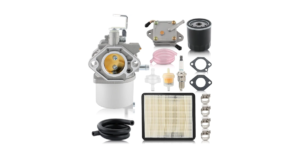 I’ve spent years working with small engines and golf carts, and one thing I’ve learned is that carburetor problems account for a significant percentage of performance issues in gas-powered Club Cars. Rough idling, poor acceleration, hard starting, and fuel leaks often point directly to carburetor-related concerns.
This guide explains the Club Car carburetor diagram in simple language, reviews the most common carburetor options, compares OEM and aftermarket choices, provides a buyer’s guide, and offers practical maintenance advice.
What Is a Club Car Carburetor?
The carburetor is the component responsible for mixing fuel and air before it enters the engine’s combustion chamber. Think of it as the engine’s chef. It carefully combines the correct amount of fuel and air to produce efficient combustion.
Without a properly functioning carburetor, your Club Car may experience:
- Poor fuel economy
- Rough idling
- Difficulty starting
- Engine stalling
- Lack of power
- Excessive exhaust smoke
Most gasoline-powered Club Car models manufactured before fuel injection systems became common rely heavily on a carburetor for performance.
Basic Club Car Carburetor Diagram Explained
Below is a simplified representation of a typical Club Car carburetor.
Air Intake
|
V
+—————+
| Air Filter |
+—————+
|
V
+—————+
| Venturi |
+—————+
/ \
/ \
Fuel Bowl Throttle Plate
| |
Float & Needle Accelerator
| |
Main Jet Governor Linkage
| |
+——–+———+
|
V
Engine
Major Parts of a Club Car Carburetor
Understanding each component helps when reading a carburetor diagram.
1. Air Intake
The air intake allows fresh air to enter the carburetor.
Dirty air filters restrict airflow and create fuel mixture problems.
My Experience
A surprising number of carburetor complaints are actually dirty air filter issues. Cleaning or replacing the filter often restores performance immediately.
2. Venturi
The venturi is a narrowed section that increases air velocity. As air moves through this section:
- Pressure drops
- Fuel is pulled into the airflow
- Air and fuel mix together
This is the heart of carburetor operation.
3. Fuel Bowl
The fuel bowl stores gasoline before it enters the engine. The fuel level remains relatively constant thanks to the float mechanism.
4. Float
The float works similarly to the float in a toilet tank. When fuel rises:
- Float rises
- The needle valve closes
When fuel drops:
- Float lowers
- Fuel enters the bowl
5. Needle Valve
This valve regulates fuel entering the bowl. A stuck needle valve can cause:
- Fuel leaks
- Flooding
- Hard starts
6. Main Jet
The main jet controls fuel flow during normal engine operation. Different jet sizes influence:
- Performance
- Fuel economy
- Engine responsiveness
7. Throttle Plate
The throttle plate regulates airflow. When you press the accelerator:
- Plate opens
- More air enters
- More fuel mixes
- Engine speed increases
8. Choke Plate
The choke restricts airflow during cold starts. This creates a richer fuel mixture that helps the engine start more easily.
Common Club Car Carburetor Problems
Over the years, I’ve noticed a few recurring issues.
Dirty Jets
Fuel deposits clog small passages. Symptoms include:
- Hesitation
- Surging
- Loss of power
Stuck Float
A float may become stuck due to dirt or varnish buildup. Symptoms:
- Fuel overflow
- Engine flooding
- Gasoline smell
Vacuum Leaks
Damaged gaskets allow excess air into the system. Symptoms:
- High idle
- Lean running
- Rough operation
Worn Throttle Shaft
Older carburetors often develop shaft wear. Symptoms:
- Inconsistent idle
- Reduced responsiveness
OEM vs Aftermarket Club Car Carburetors
One of the most common questions owners ask is whether to purchase an OEM or aftermarket carburetor.
Comparison Table
| Feature | OEM Club Car Carburetor | Aftermarket Carburetor |
| Fitment Accuracy | Excellent | Varies |
| Build Quality | Excellent | Good to Excellent |
| Price | Higher | Lower |
| Warranty | Usually Better | Varies |
| Installation Ease | Direct Fit | Sometimes Requires Adjustment |
| Fuel Efficiency | Excellent | Good |
| Durability | Long Lasting | Depends on Brand |
| Availability | Sometimes Limited | Widely Available |
| Performance Consistency | Excellent | Varies |
| Value for Money | Good | Excellent |
Personal Opinion
If your golf cart is used daily, OEM remains the safest choice. For recreational users, a quality aftermarket carburetor often delivers excellent value at half the price.
Popular Club Car Carburetor Types
FE290 Carburetor
Used on many older Club Car golf carts.
Advantages:
- Reliable
- Easy maintenance
- Readily available parts
Disadvantages:
- Can become clogged if stored with old fuel
FE350 Carburetor
Found on newer gasoline Club Car models.
Advantages:
- Improved efficiency
- Better emissions performance
Disadvantages:
- More sensitive to fuel contamination
Kawasaki Engine Carburetors
Many Club Cars utilize Kawasaki engines.
Advantages:
- Strong performance
- Durable construction
Disadvantages:
- Replacement parts may cost more
Carburetor Performance Comparison
| Feature | FE290 | FE350 | Kawasaki Carburetor |
| Reliability | 9/10 | 8/10 | 9/10 |
| Fuel Economy | 7/10 | 9/10 | 8/10 |
| Ease of Repair | 10/10 | 8/10 | 7/10 |
| Parts Availability | 10/10 | 9/10 | 8/10 |
| Longevity | 9/10 | 8/10 | 9/10 |
| Cost of Ownership | Low | Medium | Medium |
| Overall Rating | 9/10 | 8.5/10 | 8.8/10 |
Signs You Need a New Carburetor
Watch for these warning signs.
Hard Starting
Repeated cranking may indicate carburetor wear.
Fuel Leaks
Leaking fuel is both a performance and a safety issue.
Poor Acceleration
A failing carburetor often struggles under load.
Rough Idle
Inconsistent idling usually signals internal carburetor problems.
Excessive Fuel Consumption
A rich mixture wastes fuel and reduces efficiency.
My Personal Review of Club Car Carburetors
Having repaired numerous Club Car golf carts, I find the carburetor system surprisingly dependable. The FE290 carburetor remains my favorite due to its simplicity and serviceability.
Many units continue running reliably after decades with only periodic cleaning and gasket replacement. Aftermarket carburetors have improved significantly over the past decade.
Earlier versions often suffered from poor machining and inconsistent calibration. Today’s better-quality aftermarket units frequently perform nearly as well as OEM components.
However, I still recommend cleaning and rebuilding an original carburetor before replacing it. Many “bad” carburetors are simply dirty. One rebuilt OEM carburetor can often outperform a cheap replacement.
How to Read a Club Car Carburetor Diagram
When looking at an actual factory diagram:
Step 1
Identify airflow direction.
Usually:
Air Filter → Carburetor → Engine
Step 2
Locate fuel entry points. These typically include:
- Fuel inlet
- Float bowl
- Main jet
Step 3
Find adjustment screws. Common adjustments:
- Idle speed
- Idle mixture
Step 4
Inspect linkage locations. Linkages connect:
- Accelerator pedal
- Governor
- Throttle plate
Maintenance Tips for Longer Carburetor Life
Proper maintenance dramatically extends carburetor lifespan.
Use Fresh Fuel
Old gasoline creates varnish deposits.
Install a Quality Fuel Filter
A clean fuel supply prevents jet blockage.
Run the Cart Regularly
Extended storage causes fuel deterioration.
Drain Fuel Before Long-Term Storage
This prevents gum and varnish formation.
Clean the Air Filter
Restricted airflow affects fuel mixture balance.
Buyer’s Guide: Choosing the Best Club Car Carburetor
Buying the wrong carburetor can lead to frustration and wasted money. Here are the most important factors to consider.
1. Confirm Engine Model
Always verify:
- FE290
- FE350
- Kawasaki
- Subaru/Robin
Engine compatibility matters more than cart model year.
2. OEM vs Aftermarket
Choose OEM if:
- Maximum reliability is needed
- A cart is used commercially
- Budget is less important
Choose aftermarket if:
- Cost savings matter
- The cart sees occasional use
- A quality brand is selected
3. Complete Assembly or Rebuild Kit
A rebuild kit is ideal when:
- The carburetor body is intact
- Only seals and jets need replacement
A complete carburetor is best when:
- The body is damaged
- Shaft wear is excessive
- Internal corrosion exists
4. Material Quality
Look for:
- Aluminum alloy body
- Brass jets
- Durable float materials
- Quality gaskets
Avoid extremely cheap units with questionable manufacturing.
5. Warranty Coverage
A warranty often indicates the manufacturer’s confidence. Longer warranties generally suggest better quality control.
6. Reviews and Reputation
Pay attention to:
- Installation experiences
- Fitment reports
- Long-term reliability feedback
Consistent positive reviews are a good sign.
Installation Overview
Basic installation steps include:
- Disconnect the battery.
- Shut off the fuel supply.
- Remove the air filter assembly.
- Disconnect the fuel line.
- Remove throttle linkage.
- Remove mounting bolts.
- Install a replacement carburetor.
- Reconnect the fuel line.
- Adjust idle settings.
- Test operation.
Always consult your model-specific service manual.
Troubleshooting Chart
| Problem | Likely Cause | Solution |
| Hard Starting | Dirty jet | Clean carburetor |
| Fuel Leak | Stuck float | Replace float/needle |
| Rough Idle | Vacuum leak | Replace gasket |
| Poor Power | Clogged main jet | Clean jet |
| Stalling | Fuel restriction | Check the fuel filter |
| Black Smoke | Rich mixture | Adjust carburetor |
| High Fuel Use | Float issue | Inspect float level |
| Surging | Dirty passages | Thorough cleaning |
Is Rebuilding Better Than Replacing?
In many cases, yes. A rebuild can cost significantly less than a complete replacement while maintaining OEM quality. Rebuilding is recommended when:
- Housing remains intact
- Corrosion is minimal
- Parts availability exists
Replacement is better when:
- Cracks exist
- Severe corrosion is present
- Previous repairs failed
Read More: Car AC Condenser Cleaning
FAQs: Club Car Carburetor Diagram
What does a Club Car carburetor do?
The carburetor mixes fuel and air in the proper ratio before combustion occurs inside the engine.
How do I know if my Club Car carburetor is bad?
Common symptoms include hard starting, rough idling, poor acceleration, fuel leaks, and excessive fuel consumption.
Can I clean a Club Car carburetor instead of replacing it?
Yes. Many carburetor problems are caused by dirt, varnish, or clogged jets and can be fixed with cleaning.
How often should a carburetor be serviced?
Most golf cart owners should inspect and clean the carburetor annually or whenever performance issues appear.
Why is fuel leaking from my carburetor?
Fuel leaks are commonly caused by a stuck float, damaged needle valve, worn gasket, or debris inside the float bowl.
Which carburetor is best for a Club Car FE290 engine?
An OEM FE290 carburetor generally provides the best fit and reliability, though quality aftermarket replacements can perform very well.
Can bad fuel damage a carburetor?
Yes. Old gasoline can create varnish deposits that clog jets and passages, leading to performance problems.
Should I rebuild or replace my carburetor?
Rebuild it if the body is still in good condition. Replace it if there is cracking, severe corrosion, or excessive wear.
How long does a Club Car carburetor last?
With proper maintenance, many carburetors remain functional for 10–20 years or longer.
Does a carburetor affect fuel economy?
Absolutely. A properly adjusted carburetor improves efficiency, while a faulty one can significantly increase fuel consumption.
Final Verdict
A Club Car carburetor may seem like a small component, but it has a huge impact on performance, fuel economy, and reliability. Understanding the carburetor diagram makes troubleshooting far easier and helps owners make informed maintenance decisions.
For most owners, regular cleaning, fresh fuel, and periodic inspections will keep a carburetor functioning properly for years. If replacement becomes necessary, OEM units offer the best reliability, while quality aftermarket options provide excellent value.
The key is matching the carburetor to the correct engine and avoiding the temptation to buy the cheapest option available.