A few summers ago, I noticed something strange in my car. The air conditioner was turned all the way up, but barely any air was coming through the vents. At first, I assumed the AC needed refrigerant. After a little investigation, I discovered the real culprit, the blower motor.
Replacing a car AC blower motor may sound intimidating, but it’s actually one of the more straightforward repairs in a vehicle’s HVAC system.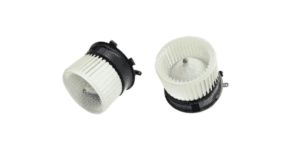 Whether you’re experiencing weak airflow, strange noises, or a blower that refuses to work altogether, understanding how the blower motor functions can save you time, money, and frustration.
In this comprehensive guide, I’ll cover everything you need to know about car AC blower motor replacement, including symptoms of failure, costs, replacement procedures, maintenance tips, and how to choose the right replacement motor.
What Is a Car AC Blower Motor?
The blower motor is an electric motor responsible for pushing air through your vehicle’s:
- Air conditioning system
- Heating system
- Defroster vents
- Cabin ventilation system
Without a functioning blower motor, cold or warm air cannot effectively circulate through the cabin.
Think of the blower motor as the fan behind your dashboard. The AC system may still produce cold air, but you won’t feel it if the blower motor isn’t moving the air.
Signs Your Car AC Blower Motor Needs Replacement
Recognizing the symptoms early can prevent further HVAC system damage.
| Symptom | Possible Cause | Severity |
| Weak airflow from vents | Worn blower motor | Moderate |
| No airflow at all | Failed motor or fuse | High |
| Squealing or grinding noises | Worn bearings | Moderate |
| Burning smell from vents | Overheating motor | High |
| The fan only works on certain speeds | Faulty resistor or motor | Moderate |
| Intermittent airflow | Electrical issues | Moderate |
| Excessive vibration | Damaged fan cage | Moderate |
How a Blower Motor Works
The blower motor receives power from the vehicle’s electrical system. The process works like this:
- The driver turns on the AC or heater.
- HVAC control module sends a signal.
- The blower resistor regulates speed.
- The blower motor spins the fan wheel.
- Air moves through the evaporator or heater core.
- Conditioned air enters the cabin.
When any part of this chain fails, airflow suffers.
Common Causes of Blower Motor Failure
Several factors contribute to blower motor wear:
1. Age
Most blower motors last:
- 8–15 years
- 100,000–150,000 miles
2. Dust and Debris
Leaves, dirt, and debris can clog the blower housing.
3. Moisture Damage
Water intrusion can corrode bearings and electrical connections.
4. Worn Bearings
Over time, bearings lose lubrication and become noisy.
5. Electrical Problems
- Blown fuses
- Damaged wiring
- Bad relays
- Faulty blower resistors
6. Overheating
Extended operation under heavy load can shorten motor life.
Blower Motor vs Blower Motor Resistor
Many people confuse these two components.
| Feature | Blower Motor | Blower Motor Resistor |
| Purpose | Moves air | Controls fan speed |
| Cost | Higher | Lower |
| Failure Result | No airflow | Limited fan speeds |
| Location | HVAC housing | Near the blower motor |
| Replacement Difficulty | Moderate | Easy |
A failed resistor often causes the fan to work only on the highest setting.
Average Car AC Blower Motor Replacement Cost
Costs vary significantly depending on vehicle make and model.
| Vehicle Type | Parts Cost | Labor Cost | Total Cost |
| Economy Car | $50–$150 | $80–$200 | $130–$350 |
| Sedan | $80–$200 | $100–$250 | $180–$450 |
| SUV | $120–$300 | $150–$350 | $270–$650 |
| Luxury Vehicle | $200–$600 | $250–$700 | $450–$1,300 |
Factors Affecting Cost
- Vehicle brand
- Motor quality
- Labor rates
- Accessibility
- OEM vs aftermarket parts
OEM vs Aftermarket Blower Motors
Choosing the right replacement part matters.
| Feature | OEM | Aftermarket |
| Fitment | Perfect | Usually good |
| Reliability | Excellent | Varies |
| Warranty | Strong | Varies |
| Cost | Higher | Lower |
| Availability | Dealer | Widely available |
For daily drivers, quality aftermarket motors often provide excellent value.
DIY Car AC Blower Motor Replacement
Replacing a blower motor yourself can save substantial labor costs.
Tools Needed
- Screwdrivers
- Socket set
- Flashlight
- Trim removal tools
- Safety gloves
Step 1: Disconnect Battery
Always disconnect the negative battery terminal before working on electrical components.
Step 2: Locate the Blower Motor
Most vehicles place the blower motor:
- Behind the glove box
- Under the passenger dashboard
- Inside the HVAC housing
Step 3: Remove Access Panels
Carefully remove:
- Glove box
- Lower dash panels
- Insulation covers
Step 4: Disconnect Electrical Connector
Unplug the wiring harness connected to the motor. Inspect for:
- Corrosion
- Burn marks
- Loose terminals
Step 5: Remove Mounting Screws
Remove screws securing the blower motor.
Gently lower the assembly.
Step 6: Install New Motor
Position replacement motor.
Secure mounting hardware.
Reconnect the electrical connector.
Step 7: Test Operation
Reconnect the battery. Test:
- Low speed
- Medium speed
- High speed
Ensure smooth operation.
Step 8: Reassemble Dashboard
Replace the removed panels and the glove box.
How Long Does Replacement Take?
Typical repair times:
| Vehicle Type | Time Required |
| Compact Car | 30–60 minutes |
| Sedan | 1–2 hours |
| SUV | 1–3 hours |
| Luxury Vehicle | 2–5 hours |
Can You Drive With a Bad Blower Motor?
Yes, but it’s not recommended. Potential issues include:
- No cabin cooling
- Poor windshield defrosting
- Reduced visibility
- Passenger discomfort
- HVAC system strain
Driving during winter without proper defrosting can become dangerous.
How to Diagnose a Faulty Blower Motor
Before replacing the motor, verify the diagnosis.
Check the Fuse
A blown HVAC fuse can mimic motor failure.
Listen for Noise
Grinding or squealing usually indicates worn bearings.
Test Fan Speeds
If only certain speeds work, suspect the resistor.
Measure Voltage
Use a multimeter to verify power reaches the motor.
Direct Power Test
Applying battery voltage directly can confirm the motor condition.
Symptoms of a Failing Blower Motor Resistor
Not every airflow issue means the motor is bad. Common resistor symptoms include:
- Fan works only on high
- Missing speed settings
- Intermittent airflow
- Burned connector
Replacing the resistor is often much cheaper.
How to Extend Blower Motor Life
Preventive maintenance goes a long way.
Replace Cabin Air Filter Regularly
A clogged filter forces the blower motor to work harder. Recommended interval:
- Every 12,000–15,000 miles
Keep Air Intakes Clean
Remove leaves and debris from cowl vents.
Run Fan Periodically
Even during mild weather, run the HVAC system regularly.
Fix Water Leaks
Prevent moisture from entering HVAC components.
Best Blower Motor Features to Look For
When shopping for a replacement motor, consider:
Balanced Fan Assembly
Reduces vibration.
Sealed Bearings
Provides longer service life.
OEM Specifications
Ensures proper airflow.
Warranty Coverage
Look for at least:
- 1-year warranty
- Preferably 3 years or more
Noise Reduction Design
Premium motors run significantly quieter.
Buyer’s Guide: Choosing the Right AC Blower Motor
Vehicle Compatibility
Always verify:
- Make
- Model
- Year
- Engine size
Even small variations matter.
OEM Part Number Matching
Cross-reference part numbers whenever possible.
This minimizes installation problems.
Warranty Coverage
Longer warranties often indicate higher-quality manufacturing. Ideal warranty:
- 24–36 months
Brand Reputation
Choose manufacturers known for HVAC components. Reliable brands generally provide:
- Better quality control
- Improved durability
- Better customer support
Noise Levels
Cheap blower motors may function correctly but generate excessive noise. Check customer reviews for:
- Rattling
- Whining
- Vibration complaints
Included Components
Some replacement kits include:
- Fan cage
- Resistor
- Mounting hardware
- Wiring pigtails
These kits can simplify installation.
Is Professional Replacement Worth It?
Professional service offers:
Advantages
- Accurate diagnosis
- Labor warranty
- Faster completion
- Proper testing
Disadvantages
- Higher cost
- Shop scheduling
For vehicles with difficult dashboard access, professional installation may be worthwhile.
Read More: How To Check Motor Oil
FAQs: Car AC Blower Motor Replacement
How much does a car AC blower motor replacement cost?
Most replacements cost between $130 and $650, depending on the vehicle and labor rates.
Can a blower motor stop working suddenly?
Yes. Electrical failure, worn brushes, or a blown fuse can cause sudden failure.
How long does a blower motor last?
Most blower motors last between 8 and 15 years or roughly 100,000 to 150,000 miles.
Can I replace a blower motor myself?
Yes. Many vehicles allow DIY replacement with basic tools and moderate mechanical skills.
What happens if I don’t replace a bad blower motor?
You may lose heating, cooling, and windshield defrosting capability.
Does a bad blower motor affect AC cooling?
The AC may still produce cold air, but airflow through the vents will be greatly reduced or completely absent.
Can a bad blower motor drain the battery?
In some cases, a failing motor can draw excessive current and contribute to battery drain.
Should I replace the resistor with the blower motor?
If the resistor shows signs of damage or age, replacing both together can prevent future issues.
Why is my blower motor making noise?
Common causes include:
- Worn bearings
- Debris in the fan cage
- Loose mounting hardware
- Motor wear
Is an OEM blower motor better than aftermarket?
OEM motors generally offer guaranteed fit and reliability, while quality aftermarket options often provide better value at a lower cost.
How can I make my blower motor last longer?
Replace the cabin air filter regularly, keep air intakes clean, and address moisture leaks promptly.
Can a clogged cabin filter damage the blower motor?
Yes. Restricted airflow forces the motor to work harder, accelerating wear and shortening its lifespan.
Final Thoughts
A failing blower motor can make even the most powerful air conditioning system feel useless. Fortunately, blower motor replacement is often less expensive and less complicated than major AC repairs such as compressor replacement.
In my experience, replacing a worn blower motor restored airflow instantly and made the entire HVAC system feel brand new. Whether you choose a DIY repair or professional installation, addressing blower motor problems early can improve comfort, safety, and overall driving enjoyment.
By understanding the symptoms, costs, and replacement process, you’ll be well-equipped to make the right decision when your vehicle’s blower motor starts showing signs of failure.