Checking your engine oil level is one of the simplest yet most important vehicle maintenance tasks. As someone who has owned several vehicles over the years, from compact sedans to SUVs, I can confidently say that regularly checking oil has saved me from expensive repairs more than once.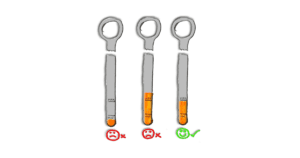 Many drivers assume oil changes are enough, but oil levels can gradually drop between services due to normal engine consumption, leaks, or aging engine components. A quick five-minute inspection can help prevent engine wear, overheating, and even catastrophic engine failure.
In this detailed guide, I’ll walk you through exactly how to check oil level properly, explain why it matters, compare different oil monitoring methods, share practical experiences, and help you choose the best tools for maintaining your vehicle.
Why Engine Oil Matters
Engine oil performs several critical functions:
- Lubricates moving engine components
- Reduces friction and wear
- Helps cool engine parts
- Prevents corrosion
- Removes contaminants
- Improves fuel efficiency
- Extends engine lifespan
Without sufficient oil, engine components can grind against each other, causing severe damage within minutes.
Quick Comparison Table: Manual vs Electronic Oil Level Monitoring
| Feature | Manual Dipstick Check | Electronic Oil Monitoring |
| Accuracy | Very High | High |
| Cost | Free | Included on some vehicles |
| Ease of Use | Easy | Very Easy |
| Requires Hood Opening | Yes | No |
| Detects Oil Condition | Yes | Usually No |
| Available on Older Cars | Yes | No |
| Reliability | Excellent | Good |
| Maintenance Required | Minimal | The sensor may fail |
| Best For | All vehicles | Modern vehicles |
Winner: Manual dipstick checks remain the most reliable method for most drivers.
Understanding Your Vehicle’s Oil System
Before checking your oil, it helps to understand where the oil goes. Oil is stored in the oil pan beneath the engine. When the engine runs, an oil pump circulates the oil throughout the engine’s internal components.
A dipstick extends into the oil pan, allowing you to measure the oil level manually. Most vehicles have:
- Oil filler cap
- Oil pan
- Oil filter
- Oil pump
- Dipstick
- Oil pressure warning system
Together, these components ensure proper lubrication.
When Should You Check Your Oil?
Many vehicle owners only check oil when a warning light appears. Unfortunately, that’s often too late. I recommend checking the oil:
- Once every month
- Before long road trips
- After oil changes
- If you notice leaks
- When fuel economy decreases
- If engine noise increases
- Every 1,000 miles for older vehicles
For high-mileage cars, more frequent checks are beneficial.
Step-by-Step: How to Check Oil Level Correctly
Step 1: Park on Level Ground
This step is often overlooked.
Park your vehicle on a flat, level surface.
Why?
If the vehicle is tilted, oil collects on one side of the oil pan, producing inaccurate readings.
Good locations include:
- Garage floors
- Flat driveways
- Parking lots
Avoid slopes and uneven surfaces.
Step 2: Turn Off the Engine
Switch off the engine completely. Checking immediately after driving can produce inconsistent results because oil is still circulating through the engine.
Step 3: Allow the Engine to Cool
Wait approximately:
- 5–10 minutes after driving
- Longer if the engine was heavily loaded
This allows oil to drain back into the oil pan. Many manufacturers recommend checking oil when the engine is warm but not hot.
Step 4: Locate the Dipstick
Open the hood and secure it. Look for the oil dipstick, usually featuring:
- Yellow handle
- Orange handle
- Clearly labeled icon
The location varies by manufacturer. Consult your owner’s manual if necessary.
Step 5: Remove the Dipstick
- Pull the dipstick completely out.
- You’ll likely notice oil coating the lower portion.
- At this stage, don’t use the reading yet.
Step 6: Clean the Dipstick
Use:
- Paper towel
- Clean rag
- Microfiber cloth
Wipe the dipstick thoroughly. This removes residual oil and ensures an accurate reading.
Step 7: Reinsert Fully
- Push the dipstick all the way back into its tube.
- Ensure it seats completely.
- Partial insertion creates inaccurate measurements.
Step 8: Remove Again and Read
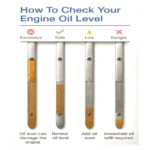
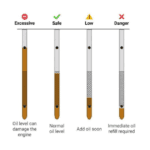
Pull the dipstick out carefully. Observe where the oil level reaches. Most dipsticks feature:
- MIN and MAX marks
- Cross-hatched area
- Two holes
- Notches
The oil should ideally sit near the MAX mark.
Oil Dipstick Reading Guide
| Oil Position | Meaning | Action Needed |
| Above Max | Overfilled | Drain excess oil |
| Near Max | Perfect | No action |
| Middle Range | Acceptable | Monitor |
| Near Min | Low | Add oil soon |
| Below Min | Dangerous | Add oil immediately |
What Color Should Engine Oil Be?
Oil color provides clues about condition.
Fresh Oil
Usually:
- Amber
- Golden brown
Used Oil
Typically:
- Dark brown
- Black
Dark oil isn’t automatically bad. Modern detergents intentionally keep contaminants suspended.
Warning Signs
Look out for:
- Milky oil
- Foamy oil
- Metallic particles
- Burnt smell
These may indicate mechanical problems.
Common Mistakes People Make
Over the years, I’ve noticed several recurring mistakes.
Checking on an Incline
Produces inaccurate readings.
Reading Immediately After Driving
Oil hasn’t drained back yet.
Not Wiping the Dipstick
Results become difficult to interpret.
Using the Wrong Oil
Always follow manufacturer specifications.
Overfilling
Too much oil can be just as harmful as too little.
Personal Experience: Why Regular Oil Checks Matter
- A few years ago, I owned a high-mileage crossover that seemed perfectly healthy.
- One month, I skipped my routine oil inspection.
- A few weeks later, the oil pressure warning light flickered during highway driving.
- When I checked the dipstick, the oil level was nearly below the minimum.
- A small valve cover leak had gradually reduced the oil level.
- Because I caught it early, the repair cost less than a hundred dollars. Had I continued driving, engine damage could have cost thousands.
- That experience reinforced how valuable regular oil checks can be.
How Much Oil Should You Add?
If oil is low:
- Add oil gradually.
- Use manufacturer-recommended viscosity.
- Add approximately half a quart (or half liter) at a time.
- Wait a minute.
- Recheck the dipstick.
Avoid adding too much. Small additions are safer.
Signs Your Vehicle May Be Low on Oil
Watch for:
- Oil warning light
- Engine knocking sounds
- Increased engine temperature
- Reduced fuel economy
- Burning oil smell
- Rough engine operation
- Blue exhaust smoke
If these symptoms appear, check the oil immediately.
Conventional vs Synthetic Oil Comparison
| Feature | Conventional Oil | Synthetic Oil |
| Cost | Lower | Higher |
| Engine Protection | Good | Excellent |
| Cold Weather Performance | Average | Excellent |
| Heat Resistance | Moderate | Superior |
| Oil Change Interval | Shorter | Longer |
| Sludge Resistance | Moderate | Excellent |
| Fuel Efficiency | Good | Better |
| Longevity | Lower | Higher |
Synthetic oil generally offers superior protection, especially in extreme temperatures.
How Often Should Oil Be Changed?
General guidelines:
| Oil Type | Typical Interval |
| Conventional | 3,000–5,000 miles |
| Synthetic Blend | 5,000–7,500 miles |
| Full Synthetic | 7,500–15,000 miles |
Always follow manufacturer recommendations.
Driving conditions matter significantly.
What If Your Car Has No Dipstick?
Many modern vehicles use electronic oil monitoring systems. In these vehicles:
- Access the vehicle menu.
- Navigate to maintenance settings.
- Select oil level measurement.
- Follow on-screen instructions.
Even with electronic systems, professional inspections remain important.
Oil Warning Light vs Oil Level
Many drivers misunderstand this distinction.
Oil Level
Indicates how much oil exists in the engine.
Oil Pressure
Indicates whether oil is circulating correctly.
An oil pressure warning light may signal:
- Low oil level
- Failing oil pump
- Blocked oil passages
- Engine wear
Never ignore an oil warning light.
Seasonal Oil Checking Tips
Summer
High temperatures may increase oil consumption. Check levels more frequently during:
- Towing
- Long trips
- Heavy traffic
Winter
- Cold weather thickens oil.
- Use manufacturer-approved winter viscosity grades.
- Check levels regularly, as cold starts place greater demands on lubrication.
Benefits of Checking Oil Regularly
Routine oil inspections provide:
Longer Engine Life
Proper lubrication minimizes wear.
Better Fuel Economy
Reduced friction improves efficiency.
Lower Repair Costs
Problems are detected early.
Improved Reliability
Fewer unexpected breakdowns.
Higher Resale Value
Maintenance records boost buyer confidence.
Essential Tools for Checking Oil
You don’t need much. Recommended items include:
- Clean microfiber cloth
- Flashlight
- Nitrile gloves
- Funnel
- Spare engine oil
Keeping these items in your garage or trunk makes maintenance easier.
Buyer’s Guide: Choosing Engine Oil and Maintenance Tools
Choosing the Right Oil
Consider:
Vehicle Manufacturer Recommendations
Always prioritize the owner’s manual specifications.
Viscosity Rating
Examples include:
- 0W-20
- 5W-30
- 10W-40
Using incorrect viscosity can reduce engine protection.
Climate
Cold climates favor lower winter ratings.
Hot climates may require thicker oil grades.
Driving Style
Heavy towing and performance driving often benefit from premium synthetic oils.
Choosing a Funnel
Look for:
- Flexible neck
- Spill-resistant design
- Wide opening
- Durable plastic
A quality funnel prevents messes and contamination.
Choosing Cleaning Cloths
Microfiber cloths offer:
- Better absorption
- Less lint
- Reusability
- Improved visibility on dipsticks
Choosing Gloves
Nitrile gloves are preferred because they:
- Resist oil penetration
- Improve grip
- Keep hands clean
- Reduce skin exposure
Expert Maintenance Tips
Here are practices I personally follow:
- Check oil monthly.
- Keep one quart of approved oil in the trunk.
- Monitor for leaks underneath the vehicle.
- Follow scheduled maintenance intervals.
- Inspect oil color during every check.
- Record oil additions in a maintenance log.
- Never ignore warning lights.
These habits dramatically reduce the likelihood of engine problems.
Read More: Which Car Has The Largest Fuel Tank
FAQs: How Do You Check Oil Level
How often should I check my oil level?
Most experts recommend checking at least once per month and before long trips.
Can I check the oil when the engine is hot?
It’s best to wait 5–10 minutes after shutting the engine off so oil can settle into the oil pan.
What happens if oil is below the minimum mark?
The engine may experience insufficient lubrication, leading to accelerated wear and possible damage.
Is dark oil always bad?
No. Modern engine oils naturally darken as they collect contaminants.
Can too much oil damage an engine?
Yes. Overfilled oil can foam, reduce lubrication efficiency, and damage seals.
What should I do if the oil warning light comes on?
Stop driving when safe, check the oil level, and investigate immediately.
How much oil should I add if it’s low?
Add small amounts gradually, usually about half a quart at a time, and recheck frequently.
Can I mix different oil brands?
Generally, yes, provided they meet the same specifications and viscosity requirements.
Do synthetic oils require checking less often?
No. Even synthetic oils should be checked regularly.
Why does my engine consume oil between changes?
Some oil consumption is normal, especially in high-mileage engines. Excessive consumption may indicate leaks or internal engine wear.
Can I rely solely on electronic oil monitors?
Electronic systems are convenient, but periodic manual inspections remain beneficial whenever possible.
Is checking the oil level difficult for beginners?
Not at all. Most people can learn the process in just a few minutes, making it one of the easiest automotive maintenance tasks.
Final Verdict
Checking your oil level is one of the easiest and most valuable maintenance tasks any vehicle owner can perform. It requires only a few minutes, no special skills, and virtually no cost.
In my experience, drivers who regularly monitor oil levels tend to avoid many of the expensive engine failures that plague neglected vehicles. Whether you drive a brand-new sedan, an aging pickup truck, or a family SUV, developing the habit of monthly oil checks can save significant money and extend the life of your engine.
The process is straightforward: park on level ground, allow the engine to cool, locate the dipstick, wipe it clean, reinsert it, and verify the oil level falls within the recommended range. A simple five-minute inspection today could prevent a major repair bill tomorrow.