Let’s be real, brake jobs are one of those expenses nobody looks forward to, but everyone eventually faces. I still remember the first time I heard that grinding noise while braking.
At first, I ignored it (big mistake), thinking it was just dust or something minor. A few days later, the steering wheel started vibrating, and that’s when I knew: this wasn’t going to be cheap.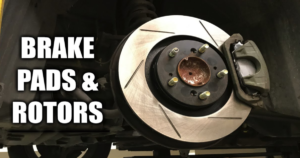 After replacing brake pads and rotors on multiple cars over the years, both DIY and at workshops, I’ve learned a lot about what you should pay, what you shouldn’t, and where most people get overcharged.
This guide breaks it all down in a simple, honest, and practical way, no fluff, just real-world insight.
What Are Brake Pads and Rotors?
Before diving into costs, here’s a quick explanation:
- Brake Pads: These press against the rotor to slow down your car
- Rotors (Brake Discs): The metal discs that spin with your wheels
When you press the brake pedal:
👉 Pads clamp onto rotors → friction → your car stops
Over time, both wear down—and eventually need replacement.
Average Cost of Rotor and Brake Pad Replacement
Here’s a realistic breakdown based on my experience and typical market rates:
Cost Per Axle (Front or Rear)
| Component | Budget Range | Mid-Range | Premium |
| Brake Pads | $30 – $70 | $70 – $120 | $120 – $250 |
| Rotors | $50 – $100 | $100 – $200 | $200 – $400 |
| Labor | $50 – $150 | $100 – $200 | $200+ |
| Total (Per Axle) | $130 – $320 | $270 – $520 | $500 – $850+ |
👉 Full car (front + rear): $260 to $1,500+
Real-World Experience: What I Actually Paid
Here’s a quick snapshot from my last few brake jobs:
- Economy sedan (DIY): ~$180 total
- Mid-range SUV (mechanic): ~$420
- Premium car (dealer): ~$900
Big takeaway:
👉 Labor and brand choice make a huge difference
Signs You Need New Brake Pads or Rotors
Don’t wait until it’s too late (like I did once). Watch for these:
- Squeaking or squealing noise
- Grinding sound (this means damage is already happening)
- Vibrations when braking
- Longer stopping distance
- Visible grooves on rotors
If you notice grinding, replace them immediately; you’re damaging rotors fast.
Brake Pads vs Rotors: Replacement Differences
| Feature | Brake Pads Only | Pads + Rotors |
| Cost | Low | Medium to High |
| Installation Time | Quick | Moderate |
| Performance Improvement | Moderate | Significant |
| When Needed | Regular wear | Heavy wear or damage |
| Risk if Ignored | Low | High (safety risk) |
Should You Replace Both Together?
Short answer: Usually yes. From experience:
- New pads on old rotors = uneven wear
- Old rotors can ruin new pads quickly
👉 Best practice:
Replace pads and rotors together for optimal performance
Buyer’s Guide: Choosing the Right Parts
1. Types of Brake Pads
Organic Pads
- Quiet and affordable
- Wear faster
Ceramic Pads
- Quiet, clean, long-lasting
- Slightly more expensive
Semi-Metallic Pads
- Strong performance
- Can be noisy
👉 My pick: Ceramic pads for daily driving
2. Rotor Types
Blank Rotors
- Standard and affordable
- Good for everyday use
Slotted Rotors
- Better heat dissipation
- Good for aggressive driving
Drilled Rotors
- Stylish and cool-running
- Can crack under stress
👉 For most drivers: Standard or slotted rotors are enough
3. OEM vs Aftermarket
- OEM (Original Equipment)
- Reliable but expensive
- Aftermarket
- Cheaper with good options available
👉 I usually go aftermarket but from trusted brands.
4. DIY vs Professional Installation
| Option | Cost | Risk | Skill Needed |
| DIY | Low | Medium | Moderate |
| Mechanic | Medium | Low | None |
| Dealership | High | Very Low | None |
👉 If you’re comfortable with tools, DIY can save a lot.
Hidden Costs Most People Miss
Here’s where bills can creep up:
- Brake fluid replacement
- Caliper servicing
- Hardware kits (clips, pins)
- Sensor replacements
Always ask for a full quote upfront.
How to Save Money (Without Compromising Safety)
From personal experience, these tips really work:
- Buy parts online (often cheaper)
- Avoid the dealership unless necessary
- Replace before severe damage occurs
- Use bundle kits (pads + rotors)
- Compare multiple quotes
How Long Do Brake Pads and Rotors Last?
Typical lifespan:
- Brake Pads: 30,000 – 70,000 km
- Rotors: 50,000 – 100,000 km
Depends on:
- Driving style
- Traffic conditions
- Vehicle type
👉 City driving = faster wear
DIY Replacement: Is It Worth It?
I’ve done both DIY and mechanic jobs.
Pros:
- Huge cost savings
- Satisfaction of doing it yourself
Cons:
- Requires tools
- Takes time
- Risk of mistakes
👉 If it’s your first time, watch tutorials and take it slow.
Common Mistakes to Avoid
- Ignoring early warning signs
- Choosing the cheapest parts blindly
- Not replacing rotors when needed
- Improper installation
- Skipping the bedding-in process
Long-Term Value: Cheap vs Quality Parts
Cheap parts:
- Wear out quickly
- Poor braking performance
- More frequent replacements
Quality parts:
- Better stopping power
- Longer lifespan
- Safer driving
👉 Brakes are not where you want to cut corners.
Read More: Is A Car Hood A Door | A Real World Guide
FAQs: Rotor And Brake Pad replacement Cost | My Honest Review
1. How much should a full brake job cost?
Typically $300 to $1,500+, depending on vehicle and parts.
2. Can I replace only brake pads?
Yes, but only if rotors are still in good condition.
3. Why is my steering wheel shaking when braking?
Usually warped rotors.
4. Are expensive brake pads worth it?
Yes, especially for durability and performance.
5. How long does replacement take?
- DIY: 2–4 hours
- Mechanic: 1–2 hours
6. Is it safe to drive with worn brakes?
No. It increases stopping distance and accident risk.
7. Do rear brakes cost less than front?
Usually, yes, because they wear more slowly.
Final Thoughts
Brake pad and rotor replacement is one of those maintenance jobs you can’t ignore. From my experience:
- Don’t delay repairs
- Don’t cheap out on critical parts
- Do your research before paying
A smooth, quiet stop isn’t just satisfying, it’s essential for safety. And once you’ve driven with fresh brakes? You’ll immediately feel the difference.