A few summers ago, I noticed something strange with my car’s air conditioning system. During short drives, the AC felt ice cold. But after 20 minutes on the road, it started blowing warmer air.
Then, sometimes it would suddenly get cold again. At first, I blamed the refrigerant. Then I blamed the compressor. Then I blamed the weather. Turns out? The real issue was the car’s expansion valve.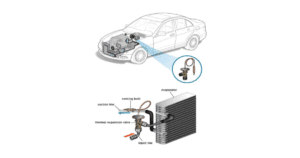 And here’s where things get interesting: many drivers search for car expansion valve adjustment, assuming the valve can simply be adjusted like older mechanical parts. I thought the same thing.
After speaking with AC technicians and digging into repair manuals, I learned that modern automotive expansion valves usually aren’t adjustable at all.
They are designed to regulate refrigerant flow automatically and are typically replaced, not adjusted, when they fail. This guide covers:
- What an expansion valve does
- Whether it can actually be adjusted
- Signs it’s failing
- Repair costs
- Replacement options
- My real-world experience
- Buyer’s guide
- FAQs
If your AC isn’t cooling properly, this article may save you from wasting money on unnecessary repairs.
What Is a Car Expansion Valve?
The expansion valve is a critical component in your car’s AC system. Its job is simple but important: It controls how much refrigerant enters the evaporator.
The valve reduces pressure from the high-pressure liquid refrigerant coming from the condenser and converts it into a low-pressure mist before it enters the evaporator.
Without it:
- AC airflow may become warm
- The evaporator may freeze
- The compressor may overwork
- Cabin cooling becomes inconsistent
Think of it as a traffic controller for refrigerant flow. Too much refrigerant? Problems. Too little refrigerant? Also problems.
How the Expansion Valve Works
Here’s the basic process:
- The compressor pressurizes the refrigerant
- The condenser cools the refrigerant
- Expansion valve lowers pressure
- The evaporator absorbs cabin heat
- The blower sends cool air inside the cabin
The expansion valve ensures refrigerant enters the evaporator at the correct rate. When it fails, your AC system becomes unstable.
Can a Car Expansion Valve Be Adjusted?
Short answer: Usually no.
Most modern vehicles use:
- Thermal Expansion Valves (TXV)
- Electronic expansion valves
- Fixed orifice tube systems
These are generally factory-calibrated. Unlike older HVAC systems, most automotive expansion valves do not offer manual adjustment screws.
If someone tells you they’ll “adjust” your valve, they may actually be:
- Cleaning blockages
- Checking refrigerant pressure
- Replacing sensors
- Replacing the valve entirely
Older Adjustable Expansion Valves
Some older vehicles and custom AC systems may have adjustable TXVs.
These are rare today.
Adjustment typically involves:
- Turning calibration screws
- Modifying spring pressure
- Testing superheat levels
Improper adjustment can damage:
- Compressor
- Evaporator
- AC hoses
This should only be done by professionals.
Signs Your Expansion Valve Is Bad
Here’s what I noticed before replacing mine:
1. Weak Cooling
The AC wasn’t consistently cold.
2. Frost on AC Components
Ice formed on evaporator lines.
3. Compressor Cycling Frequently
The compressor kept turning on and off rapidly.
4. Strange Hissing Sounds
Restricted refrigerant flow can create unusual noises.
5. Warm Air During Idle
The cooling dropped significantly in traffic.
6. AC Pressure Readings Were Off
Mechanics noticed abnormal pressure levels.
My Real Repair Experience
I brought my vehicle to a local AC specialist after trying DIY refrigerant recharge kits.
Bad idea.
The recharge kit didn’t fix anything.
The technician performed pressure testing and discovered the expansion valve was partially clogged.
His recommendation?
Replace it. The repair included:
- Removing dashboard components
- Accessing evaporator housing
- Replacing the expansion valve
- Vacuum testing
- Refrigerant recharge
Total bill:
$420
Painful, but the AC worked perfectly afterward.
Common Causes of Expansion Valve Failure
Moisture Contamination
Water inside the AC lines can create corrosion.
Debris Buildup
Metal particles from compressor wear can clog valves.
Refrigerant Overcharging
Too much refrigerant stresses the system.
Age
Rubber seals and internal parts wear over time.
Poor Repairs
Cheap refrigerant refills often cause issues.
Expansion Valve Repair vs Replacement
| Factor | Adjustment | Replacement |
| Cost | Lower | Higher |
| Long-term reliability | Poor | Better |
| Availability | Rare | Common |
| Modern vehicles | Usually impossible | Standard fix |
| DIY friendly | No | Sometimes |
Replacement usually wins.
Average Replacement Cost
| Vehicle Type | Cost Range |
| Economy cars | $200–$500 |
| Mid-size sedans | $350–$800 |
| Luxury vehicles | $700–$1,500 |
| Trucks/SUVs | $400–$1,000 |
Labor drives costs higher because access can be difficult.
DIY Expansion Valve Replacement
This repair can be challenging.
You may need:
- Refrigerant recovery equipment
- Vacuum pump
- Manifold gauges
- Replacement valve
- O-rings
Steps include:
- Recover refrigerant
- Disconnect AC lines
- Remove the old valve
- Install a new valve
- Replace seals
- Vacuum system
- Recharge refrigerant
Improper handling can damage your AC system.
Best Replacement Expansion Valve Brands
Here are reliable brands:
Four Seasons
Affordable and widely available.
Denso
Excellent OEM quality.
UAC
Budget-friendly option.
ACDelco
Great for GM vehicles.
Motorcraft
Best for Ford vehicles.
Expansion Valve Brand Comparison Table
| Brand | Best For | Price Range | Reliability |
| Denso | OEM quality | $40 | Excellent |
| Four Seasons | Budget repairs | $60 | Very good |
| UAC | Cheap replacements | $89 | Good |
| ACDelco | GM vehicles | $96 | Excellent |
| Motorcraft | Ford vehicles | $114 | Excellent |
Should You Replace Other AC Components Too?
Sometimes yes. Consider replacing:
- Receiver dryer
- O-rings
- Cabin air filter
- Compressor (if damaged)
This prevents future failures.
How Mechanics Diagnose Expansion Valve Issues
Professional shops may use:
- Pressure gauges
- Leak detectors
- Temperature probes
- Refrigerant recovery machines
Accurate diagnosis matters because compressors often get blamed incorrectly.
Buyer’s Guide: Choosing the Right Expansion Valve
Check Vehicle Compatibility
Always verify:
- Make
- Model
- Year
- Engine type
Choose OEM or Trusted Aftermarket
Cheap, unknown brands can fail quickly.
Replace O-rings
Never reuse old seals.
Warranty Coverage
Choose parts with warranties.
Shop Reputation
Buy from trusted retailers.
Can You Drive with a Bad Expansion Valve?
Technically, yes, but it’s risky. You may experience:
- Compressor damage
- Poor fuel economy
- Cabin discomfort
- Complete AC failure
Fix it sooner rather than later.
Preventing Future Expansion Valve Problems
Run AC regularly
Even during winter.
Replace cabin filters
Improves airflow.
Avoid cheap refrigerant kits
These often create bigger problems.
Fix leaks quickly
Low refrigerant harms components.
Service the AC system regularly
Preventative maintenance saves money.
Is It Worth Fixing?
If your car is otherwise reliable:
Yes.
Especially in hot climates where AC matters daily. If your vehicle is nearing the end of its life, weigh repair costs carefully.
Read More: How Do You Check Oil Level In Car
FAQs: Car Expansion Valve Adjustment: My Honest Experience
Can I manually adjust my car’s expansion valve?
Usually no. Most modern valves are factory-calibrated.
How long does replacement take?
Typically 2–6 hours, depending on vehicle design.
What happens if the valve gets stuck open?
Too much refrigerant enters the evaporator, reducing cooling efficiency.
What happens if it gets stuck closed?
Cold air may disappear completely.
Can low refrigerant mimic expansion valve problems?
Yes. Always check refrigerant levels first.
Is replacing an expansion valve expensive?
It can range from $200 to $1,50,0, depending on labor complexity.
Can I replace it myself?
Only if you have proper AC tools and experience.
Final Verdict
After dealing with my own frustrating AC issues, I learned that car expansion valve adjustment is often misunderstood. In most modern vehicles:
- You don’t adjust it.
- You diagnose it.
- And if it’s faulty, thank you for replacing it.
If your AC system feels inconsistent, don’t immediately blame the compressor. The expansion valve could be the hidden culprit costing you cold air and comfort.