If you’ve ever driven (or even just heard) an older car, you’ve experienced the magic of a carburetor, whether you realized it or not. Before modern fuel injection systems took over, carburetors were the heart of every gasoline engine.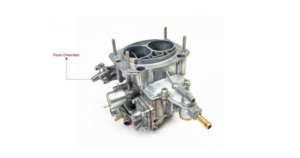 They handled one simple but critical job: mixing air and fuel in the right ratio so your engine could run smoothly. I’ve had hands-on experience with carbureted engines from old motorcycles to classic cars, and I can tell you: they’re fascinating, a bit temperamental, but incredibly satisfying when tuned right.
In this guide, I’ll break down how a car carburetor works, share real-world insights, compare carburetors vs fuel injection, and help you decide whether carbureted engines are still worth considering today.
What Is a Carburetor?
A carburetor is a mechanical device that blends air and fuel in the correct ratio before sending it into the engine for combustion.
Simple Explanation:
- Air flows into the carburetor
- Fuel is drawn in and mixed with that air
- The mixture is sent into the engine cylinders
- Spark ignites it → power is produced
How a Carburetor Works (Step-by-Step)
Let’s break this down in the simplest real-world way.
1. Air Intake
When you press the accelerator, air enters the carburetor through an opening called the venturi.
2. Venturi Effect
Inside the carburetor is a narrow section called the venturi. As air passes through it:
- Speed increases
- Pressure drops
This pressure drop pulls fuel into the airflow
3. Fuel Delivery
Fuel comes from the float chamber:
- A float (like in a toilet tank) keeps the fuel level stable
- A needle valve controls fuel flow
4. Mixing Air and Fuel
Fuel is sprayed into the fast-moving air, creating a combustible mixture
5. Throttle Control
When you press the gas pedal:
- The throttle valve opens
- More air + fuel enter the engine
- Engine power increases
6. Combustion
The mixture enters the cylinders, where:
- A spark plug ignites it
- Energy is produced → your car moves
Real-World Experience: What It Feels Like
From personal experience, carburetors have a very distinct personality:
👍 What I Like
- Instant mechanical feel (no electronics)
- Easy to understand and repair
- Satisfying to tune manually
👎 What I Don’t Like
- Cold starts can be rough
- Needs regular tuning
- Less fuel-efficient than modern systems
If you’ve ever had to “choke” an engine on a cold morning, you know exactly what I mean. It’s part of the charm… or frustration.
Carburetor vs Fuel Injection (Comparison Table)
| Feature | Carburetor | Fuel Injection |
| Technology Type | Mechanical | Electronic |
| Fuel Efficiency | Lower | Higher |
| Maintenance | Frequent tuning needed | Minimal maintenance |
| Cold Start | Difficult (requires choke) | Easy (automatic adjustment) |
| Performance | Less precise | Highly precise |
| Cost | Cheaper | More expensive |
| Repair Complexity | Easy (DIY-friendly) | Requires professional tools |
| Reliability | Can vary with conditions | Very consistent |
Types of Carburetors
1. Single-Barrel Carburetor
- One venturi
- Simple and economical
- Found in older small engines
2. Double-Barrel Carburetor
- Two venturis
- Better performance
- Common in mid-range vehicles
3. Four-Barrel Carburetor
- High performance
- Used in muscle cars and racing engines
Key Parts of a Carburetor
Understanding these parts makes troubleshooting easier:
- Float Chamber – Stores fuel
- Venturi – Creates a pressure difference
- Throttle Valve – Controls airflow
- Choke Valve – Helps cold starts
- Jet – Sprays fuel into the air
Common Carburetor Problems (Real-Life Issues)
1. Hard Starting
Usually caused by:
- Incorrect choke setting
- Fuel delivery issues
2. Engine Stalling
Often due to:
- Dirty carburetor
- Incorrect air-fuel ratio
3. Poor Fuel Economy
Common reasons:
- Rich mixture (too much fuel)
- Worn components
4. Rough Idling
Typically caused by:
- Clogged jets
- Air leaks
Buyer’s Guide: Should You Choose a Carbureted Engine?
Choose a Carburetor If You:
- Love classic cars
- Prefer DIY repairs
- Want a simple mechanical system
- Are on a budget
Avoid It If You:
- Want modern efficiency
- Need reliability in all weather
- Don’t want regular tuning
- Prefer plug-and-play convenience
Maintenance Tips (From Experience)
If you own a carbureted engine, here’s what actually works:
Clean Regularly
- Dirt is the biggest enemy
- Use carb cleaner every few months
Adjust Air-Fuel Mixture
- Too rich = waste fuel
- Too lean = engine damage
Check Fuel Lines
- Old lines can clog or leak
Use Quality Fuel
- Reduces buildup and improves performance
Long Real-World Expansion: Living With a Carburetor
Owning a carbureted vehicle is like owning a vintage watch; it requires attention, but rewards you with character.
Daily Driving
In daily use, carburetors can feel:
- Slightly unpredictable
- Sensitive to weather
- Slower to respond than modern systems
But once tuned properly, they run surprisingly well.
Cold Weather Experience
This is where carburetors struggle:
- You often need to use the choke
- The engine may stall initially
- Takes time to warm up
Highway Performance
At steady speeds:
- Carburetors perform decently
- Fuel consumption is higher than that of modern cars
DIY Repairs
This is where carburetors shine:
- No computers involved
- Basic tools can fix most issues
- You actually learn how your engine works
Are Carburetors Still Relevant Today?
Yes, but in specific cases:
Still Used In:
- Classic cars
- Motorcycles
- Small engines (generators, lawn equipment)
Not Used In:
- Modern cars (replaced by fuel injection)
Read More: Signs Of A Bad Car AC Condenser
FAQs: How Car Carburetor Works | A Real World Review
1. What does a carburetor do in a car?
It mixes air and fuel in the correct ratio for combustion.
2. Why were carburetors replaced?
Because fuel injection is more efficient, reliable, and environmentally friendly.
3. Can you still buy carbureted cars?
Not new ones, but many older vehicles still use them.
4. Is a carburetor easy to fix?
Yes, compared to modern systems, it’s very DIY-friendly.
5. How often should a carburetor be cleaned?
Every 3–6 months, depending on usage.
6. What happens if a carburetor fails?
The engine may stall, run poorly, or not start at all.
7. Are carburetors good for performance?
They can be, especially in tuned or racing setups.
Final Verdict (Honest Review)
Carburetors are old-school but not outdated in spirit.
They’re:
- Simple
- Hands-on
- Rewarding to understand
But they’re also:
- Less efficient
- More maintenance-heavy
- Not ideal for modern driving needs
👉 My Take:
If you love mechanics and classic vehicles, a carburetor is a joy. If you just want reliable, hassle-free driving, modern fuel injection wins.