If you’ve been shopping for motorcycle tires lately, chances are you’ve seen Shinko tires for sale just about everywhere online retailers, local bike shops, forums, and even race paddocks.
And if you’re like most riders, you probably had the same reaction I did at first: “They’re cheap… but are they actually good?” That’s a fair question. Tires are one of the most important safety components on a motorcycle.
Cheap tires that don’t grip well or wear out fast can turn a fun ride into a sketchy one real quick. I’ve personally run Shinko tires on street bikes, dual-sports, and even a track toy, and I’ve talked to dozens of riders who swear by them and a few who swear at them.
So in this long-form guide, I’m breaking it all down:
- What Shinko tires really are
- Who they’re best for (and who should skip them)
- How they compare to premium brands
- Which Shinko models are worth your money
- Where to find the best Shinko tires for sale
- A buyer’s guide so you don’t mess this up
No fluff. No hype. Just real-world insight.

What Are Shinko Tires?
Shinko isn’t some fly-by-night brand that popped up overnight.
A Bit of History
Shinko Tire Company started in Japan and later acquired Yokohama’s motorcycle tire molds and technology. That’s important because it means Shinko didn’t start from scratch; they built their lineup using proven designs.
Today, Shinko tires are:
- Designed in Japan
- Manufactured in South Korea
- Sold worldwide
They focus heavily on value-priced motorcycle tires for:
- Street bikes
- Cruisers
- Sport bikes
- Dual-sport and adventure bikes
- Dirt bikes
- Track day riders
Why Are Shinko Tires So Affordable?
This is the big question. Shinko tires are cheaper mainly because:
- Lower marketing costs (no massive MotoGP sponsorships)
- Efficient manufacturing
- Fewer “boutique” compounds
- Focus on proven designs instead of bleeding-edge tech
What they don’t cut corners on:
- DOT approval
- Basic safety standards
- Consistency
So no, they’re not junk, but they’re also not trying to compete with Michelin or Pirelli at the top tier.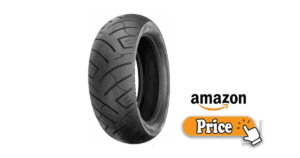 👉🏿👉🏻 Check the Latest Price and Offer at Amazon 👈🏻👈🏿
My Personal Experience With Shinko Tires
Let’s get real for a second. The first time I bought Shinko tires, I was broke. Plain and simple. I needed rubber fast, and Shinko was almost half the price of the big brands.
What I Noticed Immediately
- Decent grip right out of the box
- No scary break-in period
- Predictable handling
- Slightly heavier feel compared to premium tires
Over Time
- Rear tires wore a bit faster than Michelin
- Front tires stayed stable
- Wet grip was good, not amazing
- No weird cupping or vibration
Bottom line? For the money, they absolutely delivered.
Popular Shinko Tires for Sale (Top Models)
Here are the Shinko models you’ll see most often and what they’re best at.
Shinko 705 (Adventure / Dual-Sport)
- 80% street / 20% dirt
- Popular with ADV riders on a budget
- Good highway stability
- Handles gravel and light trails well
Shinko 804 / 805 (ADV Knobby)
- 804 = front, 805 = rear
- Aggressive tread
- Great for off-road adventure riding
- Surprisingly good street manners for a knobby
Shinko 009 Raven (Sport / Street)
- Sport-touring tire
- Solid dry grip
- Long tread life
- Popular with commuters
Shinko 777 (Cruiser)
- Designed for V-twins and cruisers
- Smooth ride
- Good straight-line stability
- Budget alternative to Dunlop
Shinko 003 Stealth / 005 Advance (Track & Sport)
- Track-day favorites
- Soft compound options
- Tons of grip for the price
- Shorter lifespan (expected)
Shinko Tires Comparison Table
| Feature | Shinko | Michelin | Pirelli | Dunlop |
| Price | ⭐⭐⭐⭐⭐ | ⭐⭐ | ⭐⭐ | ⭐⭐⭐ |
| Dry Grip | ⭐⭐⭐⭐ | ⭐⭐⭐⭐⭐ | ⭐⭐⭐⭐⭐ | ⭐⭐⭐⭐ |
| Wet Grip | ⭐⭐⭐ | ⭐⭐⭐⭐⭐ | ⭐⭐⭐⭐ | ⭐⭐⭐⭐ |
| Tread Life | ⭐⭐⭐ | ⭐⭐⭐⭐ | ⭐⭐⭐ | ⭐⭐⭐⭐ |
| Track Performance | ⭐⭐⭐⭐ | ⭐⭐⭐⭐⭐ | ⭐⭐⭐⭐⭐ | ⭐⭐⭐⭐ |
| Value for Money | ⭐⭐⭐⭐⭐ | ⭐⭐⭐ | ⭐⭐⭐ | ⭐⭐⭐ |
Takeaway:
Shinko wins hard on value. Premium brands still lead in ultimate grip and longevity.
Are Shinko Tires Safe?
Short answer: Yes, if you buy the right model for your riding style. All Shinko tires sold in the U.S. and most global markets are:
- DOT approved
- Tested for road use
- Manufactured under modern quality standards
Where riders get into trouble is:
- Expecting race-level grip from a touring tire
- Running low pressures
- Ignoring proper break-in
Treat them like any tire, respect their limit,s and they’re perfectly safe.
Shinko Tires Buyer’s Guide: How to Choose the Right One
This part matters more than brand loyalty.
1. Know Your Riding Style
Ask yourself:
- Daily commuting?
- Weekend canyon runs?
- Long-distance touring?
- Off-road adventure?
- Track days?
2. Match the Tire Category
- Street / Sport-Touring: Shinko 009, 011
- Cruiser: Shinko 777
- ADV / Dual-Sport: Shinko 705 or 804/805
- Track / Sport: Shinko 003, 005
3. Check Tire Size Carefully
Always match:
- Width
- Aspect ratio
- Rim size
- Load and speed rating
4. Consider Longevity vs Grip
- Softer compound = better grip, faster wear
- Harder compound = longer life, less traction
5. Buy From Reputable Sellers
Look for:
- Fresh manufacturing dates
- Clear return policies
- Authorized dealers
Where to Find Shinko Tires for Sale
You’ll find Shinko tires for sale at:
- Online motorcycle retailers
- Amazon and major marketplaces
- Local motorcycle shops
- Powersports dealers
Tip:
Always check the DOT date code. Fresh tires matter more than brand.
Pros and Cons of Shinko Tires
Pros
- Excellent value
- Wide range of sizes and styles
- Good real-world performance
- DOT approved
- Great for budget-conscious riders
Cons
- Shorter tread life vs premium brands
- Wet grip isn’t class-leading
- Heavier construction on some models
- Less prestige (if that matters to you)
Who Should Buy Shinko Tires?
Shinko tires are perfect if you:
- Ride daily
- Want affordable replacements
- Do occasional track days
- Own multiple bikes
- Don’t want to spend $500+ on rubber
You might want to look elsewhere if you:
- Race competitively
- Push absolute limits regularly
- Want maximum wet traction at all costs
Read More: Car Oil Brands List | My Honest Experience
FAQs: Shinko Tires For Sale | My Honest Experience
Are Shinko tires of good quality?
Yes. They’re not premium, but they’re solid, reliable, and safe when used correctly.
How long do Shinko tires last?
Depends on the model and riding style. Expect slightly shorter life than Michelin or Dunlop.
Are Shinko tires good in the rain?
Decent, not class-leading. Ride responsibly in wet conditions.
Are Shinko tires made in China?
No. Most are made in South Korea.
Can Shinko tires be used for track days?
Absolutely. Models like the 003 and 005 are popular budget track tires.
Why are Shinko tires so cheap?
Lower marketing costs and efficient manufacturing, not poor quality.
Final Verdict: Are Shinko Tires Worth Buying?
If you’re asking whether Shinko tires for sale are worth your money, here’s the truth: 👉 Yes if you know what you’re buying and why. They’re not miracle tires.
They won’t magically outperform top-tier race rubber. But for everyday riders, commuters, adventure riders, and budget-minded enthusiasts, Shinko tires punch way above their price point. I’d repurchase them. And I have.