I’ll admit it, when I first started messing with wheels, I thought size was all that mattered. Diameter? Check. Width? Check. Bolt pattern? Easy. Then someone asked, “What offset are you running?”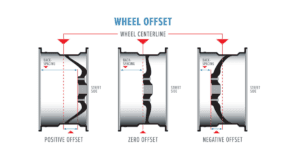 I stared back as they’d just spoken another language. Offset sounded like one of those things only hardcore car guys cared about. Turns out, wheel offset affects everything about how your car looks, how it handles, whether your tires rub, and even whether your wheels fit at all.
If you’ve ever:
- Seen wheels stick out too far
- Had tires rub when turning
- Wondered why “same size” wheels don’t fit the same
This guide will finally make offset click.
What Is Wheel Offset?
Wheel offset is the distance between:
- The centerline of the wheel, and
- The mounting surface (where the wheel bolts to the hub)
It’s measured in millimeters (mm).
Think of offset as what decides how far in or out your wheel sits inside the wheel well.
Why Wheel Offset Actually Matters (More Than Looks)
Offset affects:
- ✅ Suspension clearance
- ✅ Brake clearance
- ✅ Steering feel
- ✅ Tire rubbing
- ✅ Bearing and suspension wear
- ✅ Overall stance
I learned this the hard way when I bought “perfect-looking” wheels that rubbed every time I hit a bump. Wrong offset. My fault.
The Three Types of Wheel Offset (Explained Like a Human)
1. Positive Offset (Most Modern Cars)
What it means:
The mounting surface is closer to the outside of the wheel.
Result:
- The wheel sits further inside the wheel well
Common on:
- Front-wheel-drive cars
- Most modern sedans
- Many SUVs
Most factory wheels today use positive offset, usually between +35mm and +55mm.
2. Zero Offset
What it means:
The mounting surface is exactly at the wheel’s centerline.
Result: The wheel
- It sits perfectly centered
Common on:
- Older cars
- Some off-road setups
Zero offset is rare on modern passenger vehicles.
3. Negative Offset (Aggressive / Deep Dish Look)
What it means:
The mounting surface is closer to the inside of the wheel.
Result:
- The wheel sticks outward toward the fender
Common on:
- Trucks
- Off-road vehicles
- Classic muscle cars
Looks aggressive, but can cause rubbing if not done correctly.
Quick Comparison Table: Offset Types at a Glance
| Offset Type | Mounting Surface | Wheel Position | Typical Use |
| Positive | Toward outside | Tucked inward | Modern cars |
| Zero | Centered | Neutral | Older vehicles |
| Negative | Toward inside | Sticks outward | Trucks & off-road |
How to Find Your Wheel Offset (Without Guessing)
Method 1: Look at the Wheel Stamp
Most wheels have markings like:
- 18×8 +45
- 17×7.5 ET35
That last number is your offset.
ET = Offset (European term, very common)
Method 2: Check Your Owner’s Manual
Factory wheel offset specs are usually listed.
Method 3: Online Fitment Tools
Websites like Fitment Industries or manufacturer databases can show stock offset ranges.
Understanding Offset Numbers (What +45 vs +35 Really Means)
Here’s something that confused me early on:
- Higher positive number = wheel sits further inside
- Lower positive number = wheel sits further outward
So:
- +45mm = more tucked
- +35mm = more aggressive stance
A 10mm change can be very noticeable.
Offset vs Backspacing (They’re Not the Same)
This one trips up a lot of people.
Offset
- Measured in millimeters
- Relative to wheel centerline
Backspacing
- Measured in inches
- Distance from mounting surface to back edge of wheel
Offset is more common on cars.
Backspacing is more common on trucks.
Both matter, but the offset is what most wheel manufacturers list.
How Offset Affects Fitment (Real-World Examples)
Too Much Positive Offset
- Wheels sit too far inside
- Can hit suspension or struts
- Narrow-looking stance
Too Much Negative Offset
- Wheels poke past fenders
- Tire rubbing on turns
- Increased wear on wheel bearings
I’ve personally experienced both, and neither is fun.
How Wheel Width Changes Offset Behavior
This is where people mess up. A wider wheel with the same offset will still sit differently.
Example:
- 18×8 +40
- 18×9 +40
The 9-inch wheel will:
- Stick out more
- Sit closer to the suspension
Width and offset must be considered together.
Stock vs Aftermarket Offset: What You Need to Know
Stock Wheels
- Designed for comfort and clearance
- Conservative offset
- Minimal rubbing risk
Aftermarket Wheels
- More aggressive stance
- Wider options
- Require careful offset selection
Aftermarket wheels aren’t “bad,” you just can’t eyeball them.
Buyer’s Guide: How to Choose the Right Wheel Offset
Here’s the exact process I use now.
Step 1: Start With Factory Offset
Find your stock offset range.
Step 2: Decide Your Goal
- OEM look
- Flush fitment
- Aggressive stance
- Off-road clearance
Step 3: Match Wheel Width to Offset
Wider wheel = usually needs less positive offset.
Step 4: Consider Suspension Mods
Lowered cars need more conservative offsets.
Step 5: Account for Tire Size
Wider tires increase rubbing risk.
Recommended Offset Ranges (General Guide)
| Vehicle Type | Typical Offset Range |
| Compact cars | +40 to +50 |
| Sedans | +35 to +45 |
| Sports cars | +30 to +40 |
| SUVs | +25 to +40 |
| Trucks | 0 to -12 |
⚠️ These are general ranges, not universal rules.
How Offset Affects Handling & Ride Quality
Offset doesn’t just change looks.
Proper Offset:
- Predictable steering
- Even tire wear
- Stable cornering
Incorrect Offset:
- Heavier steering
- Tramlining
- Increased suspension stress
When I corrected my offset, the steering feel improved instantly.
Wheel Spacers vs Changing Offset
Spacers effectively reduce positive offset.
Example:
- +45mm wheel + 10mm spacer = +35mm effective offset
Spacers can help, but:
- Use high-quality hub-centric spacers
- Torque properly
- Avoid stacking spacers
Cheap spacers are asking for trouble.
Common Wheel Offset Mistakes (I’ve Made These)
- ❌ Ignoring suspension clearance
- ❌ Copying someone else’s setup blindly
- ❌ Forgetting tire width
- ❌ Assuming “flush” always fits
- ❌ Not checking full steering lock
Every mistakecostst money. Learn from me.
Does Wheel Offset Affect MPG?
Yes, slightly.
- Aggressive offset = more drag
- Wider stance = heavier rolling resistance
Not huge, but noticeable over time.
Read More: How Many Wheels Are In The World
FAQs: What Is Offset On Wheels
Q: Can I change my wheel offset?
Yes,s by changing wheels or using spacers.
Q: Is a lower offset always better?
No. It depends on your car and setup.
Q: Will a wrong offset damage my car?
Over time, yes, bearings and suspension can wear faster.
Q: Does offset affect alignment?
Indirectly. Extreme offsets can make alignment harder.
Q: Can I run different offsets front and rear?
Yes, staggered setups are common on sports cars.
Q: Is offset the same as wheel size?
No. Offset is independent of diameter.
Q: Do bigger wheels need a different offset?
Often, yes, especially if the width changes.
Q: What happens ifthe offset is too aggressive?
Rubbing, poor handling, and potential damage.
Final Thoughts: What I Wish Someone Had Told Me Earlier
Wheel offset sounds complicated, but once you understand it, everything else makes sense.
Offset is the difference between wheels that look good and wheels that actually work. If you’re upgrading wheels:
- Don’t guess
- Don’t copy blindly
- Don’t ignore the offset
Do it right once, and your car will look better, drive better, and last longer.