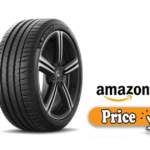
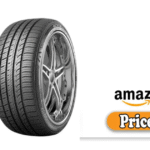
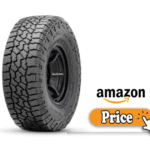
If you’ve ever stood in a tire shop staring at a wall of rubber donuts while someone asks, “So… what are you driving?” yeah, same. Tires are one of those purchases nobody gets excited about until they absolutely have to.
And when you start Googling who sells Michelin tires, you quickly realize it’s not just about where to buy, it’s about who you trust, what you pay, and whether the tire you choose actually fits your driving life.
I’m writing this as a U.S.-based driver who’s owned sedans, crossovers, and a half-ton pickup, driven in Midwest winters, Southern summers, and long interstate slogs that test patience more than horsepower.
Over the years, I’ve bought Michelin tires from big-box retailers, local shops, and online marketplaces, and I’ve learned a few things the hard way. This is my honest, personal review and buyer’s guide rolled into one.
I’ll cover what I like about Michelin, what could be better, where you can buy them in the U.S., how they compare to alternatives, and how to choose the right set for you. No fluff, no hype, just real-world experience.

What I Like About Michelin Tires
Let’s start with why Michelin even makes the shortlist for so many drivers.
1. Consistent Ride Quality
Every Michelin tire I’ve owned from the Defender to the Pilot Sport has delivered a smooth, predictable ride. Road noise stays low even as the miles add up. That matters more than people admit, especially on long commutes or road trips.
2. Excellent Tread Life (When Properly Maintained)
Michelin is famous for longevity, and in my experience, that reputation is earned. With regular rotations and alignments, I’ve seen Michelin tires last noticeably longer than cheaper alternatives. That higher upfront price starts to make more sense when you’re not replacing them early.
3. Strong All-Season Performance
If you live somewhere with mixed weather (most of the U.S.), Michelin’s all-season lineup is hard to beat. Wet traction, light snow handling, and dry braking feel balanced rather than specialized to one condition.
4. Wide Availability
One of the biggest reasons people ask who sells Michelin tires is because… almost everyone does. Michelin has one of the broadest retail footprints in the U.S., which makes replacements, warranties, and price comparisons much easier.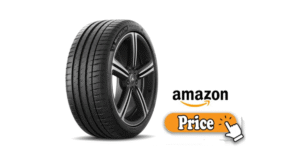 👉🏿👉🏻 Check The Latest Price and Offer at Amazon 👈🏻👈🏿
What Could Be Better
No brand is perfect, including Michelin.
1. Higher Upfront Cost
Michelin tires are rarely the cheapest option. If you’re shopping strictly on price, sticker shock is real. Sales help, but you usually pay more upfront compared to mid-tier brands.
2. Performance Tires Wear Faster
While touring and all-season Michelins last a long time, their performance tires (like Pilot Sport models) can wear faster, especially if you drive enthusiastically. That’s the trade-off for grip.
3. Overkill for Some Drivers
If you drive very little or only short city trips, Michelin’s premium features may be more than you need. Budget tires can be “good enough” for low-mileage drivers.
My Personal Experience With Michelin Tires
I’ve personally owned four different Michelin tire models across three vehicles:
- Michelin Defender (sedan)
- Michelin Premier A/S (crossover)
- Michelin LTX M/S (pickup)
- Michelin Pilot Sport 4 (sporty daily driver)
Across the board, what stood out most was predictability. No weird handling surprises, no sudden drop-off in traction as the tires aged. Even near the end of their life, they felt safe and controlled.
One winter trip in particular sold me. Driving through heavy rain turning into slushy snow, the Defenders held their line while other cars were white-knuckling it. That peace of mind matters.
Design
Michelin doesn’t go wild with flashy sidewalls, and I actually appreciate that.
Tread Design
- Functional, not gimmicky
- Optimized for water evacuation
- Even wear patterns when aligned properly
Sidewall Appearance
- Clean branding
- Professional look
- No over-the-top styling
Design here is about performance and longevity, not Instagram likes.
Performance
Dry Roads
Excellent steering response and braking consistency. Even touring tires feel planted.
Wet Roads
This is where Michelin shines. Hydroplaning resistance is strong, and braking distances feel short and controlled.
Snow (All-Season Models)
Light to moderate snow is manageable. Don’t confuse all-seasons with true winter tires,s but for most U.S. climates, they’re solid.
Highway Comfort
Low road noise, minimal vibration, and stable tracking at speed.
Who Sells Michelin Tires? (U.S. Retailers)
Here’s where things get practical.
Major Retailers
| Retailer | Pros | Cons |
| Costco | Great pricing, warranty, nitrogen fill | Limited models, membership required |
| Discount Tire | Huge selection, strong service | Prices vary by location |
| Tire Rack | Excellent reviews & testing data | Installation extra |
| Walmart | Competitive pricing | Install quality varies |
| Local Dealers | Personalized service | Often higher prices |
My take: If you want the best balance of price and service, Costco and Discount Tire are hard to beat.
Build Quality
Michelin’s manufacturing quality is consistently high:
- Even tread depth
- Minimal balancing weights needed
- Durable sidewalls
- Fewer defects compared to budget brands (in my experience)
This matters because a poorly built tire can ruin ride quality, ty no matter how good the brand name is.
Alternative Options to Michelin
If Michelin is out of budget or unavailable, here are solid alternatives:
Continental
- Excellent wet performance
- Slightly cheaper
- Comparable comfort
Bridgestone
- Strong durability
- Good touring tires
- Performance models vary
Goodyear
- Wide availability
- Competitive pricing
- Mixed tread life results
Pirelli
- Sporty handling
- Shorter tread life
- Premium pricing
Michelin still wins overall balance, but these are credible options.
Buyer’s Guide: How to Choose the Right Michelin Tire
Step 1: Know Your Vehicle
Check your door jamb for tire size, load rating, and speed rating.
Step 2: Know Your Driving Style
- Daily commuter
- Road trips
- Performance driving
- Towing/hauling
Step 3: Climate Matters
- Snow-heavy regions may need winter tires
- Mild climates do fine with all-seasons
Step 4: Budget Realistically
Think in cost per mile, not just purchase price.
Step 5: Compare Warranties
Michelin’s treadwear warranties are often better thcompetitors’ors.
Read More: Continental Tires Warranty | My Honest Experience
FAQs: Who Sells Michelin Tires | My Honest Experience
Who sells Michelin tires near me?
Most major U.S. retailers, including Costco, Discount Tire, Tire Rack, Walmart, and local dealers.
Are Michelin tires worth the money?
For most drivers, yes, especially if you value safety, comfort, and longevity.
Do Michelin tires last longer?
In my experience, yes, when properly maintained.
Are Michelin all-season tires good in snow?
They handle light to moderate snow well, but dedicated winter tires are better for harsh conditions.
Can I buy Michelin tires online?
Yes. Tire Rack and other retailers offer delivery to installers.
Final Thoughts
So who sells Michelin tires, and should you buy them?
In the U.S., Michelin is widely available, easy to service, and backed by a strong warranty network. From my honest experience, they deliver exactly what they promise: consistent performance, long life, and confidence behind the wheel.
Are they perfect? No. Are they cheap? Also no. But if you want a tire, you don’t have to think about it every time it rains or snows; Michelin is one of the safest bets you can make.