If you’ve spent any amount of time browsing motorcycle forums, Reddit threads, Facebook riding groups, or YouTube comment sections, you’ve probably seen Shinko tires mentioned more than once. Usually, it goes something like this:
“They’re cheap, but are they any good?”
“I ran Shinkos for years with no issues.”
“You get what you pay for…”
So the big question remains: Are Shinko tires good?
This article is my honest, real-world experience with Shinko tires after putting them through daily commuting, weekend rides, highway miles, twisty backroads, and less-than-perfect road conditions. I’m not sponsored, not affiliated, and not trying to sell you anything.
I just want to share what it’s actually like to live with these tires. If you’re a rider on a budget, a beginner, or someone tired of paying premium-brand prices every time rubber wears out, this review is for you.

What I Like About Shinko Tires
Let’s start with the positives, because there are quite a few, and some might surprise you.
1. The Price (Let’s Be Honest)
The biggest reason most people consider Shinko tires is the price. Compared to brands like Michelin, Dunlop, Pirelli, or Bridgestone, Shinko tires are significantly cheaper.
In many cases, you can buy:
- Both front and rear Shinko tires for the price of one premium rear tire
As a rider in the U.S., where motorcycle maintenance costs add up fast, that matters. Tires are consumables. No matter how good they are, they wear out. Paying half or even a third of the price makes a real difference over time.
2. Surprisingly Solid Grip for Street Riding
One of the biggest myths about budget tires is that they automatically mean poor grip. In my experience, that just isn’t true with Shinko.
For normal street riding:
- City commuting
- Highway cruising
- Backroad carving at sane speeds
Shinko tires offer predictable, confidence-inspiring traction. They warm up fairly quickly and don’t feel sketchy under normal lean angles.
Are they track-day tires? No. Do they grip well enough for everyday riders? Absolutely.
3. Predictable Handling
What I really appreciate is how predictable Shinko tires feel. There’s no sudden loss of traction, no weird transitions when leaning into a corner, and no “surprise moments” that make you question your life choices.
For new riders, especially, predictability is huge.
4. Decent Wet Weather Performance
I’ve ridden on Shinko tires in:
- Light rain
- Heavy rain
- Cold mornings
- Damp roads after storms
While I wouldn’t say they’re the best wet-weather tires on the market, they’re far from dangerous. As long as you ride responsibly, with your smooth throttle, gradual braking, they perform well enough to inspire confidence.
5. Wide Range of Models
Shinko doesn’t just make one tire and call it a day. They offer options for:
- Cruisers
- Sport bikes
- Touring bikes
- Dual-sport and adventure bikes
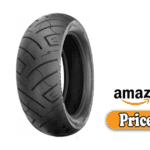
This means you’re not forced into a one-size-fits-all solution. 👉🏿👉🏻 Check the Latest Price and Offer at Amazon 👈🏻👈🏿
What Could Be Better
Now let’s talk honestly about the downsides. No tire is perfect, especially at this price point.
1. Tread Life Isn’t Amazing
This is probably the biggest trade-off.
Compared to premium touring tires, Shinko tires wear faster. Depending on your riding style, bike weight, and road conditions, you may notice:
- Faster center wear on highway-heavy riding
- Softer compounds wear quickly under aggressive throttle
That said, considering the price, the cost-per-mile still often works out in Shinko’s favor.
2. Not Ideal for Aggressive or Track Riding
If you ride hard, really hard, Shinko tires may feel limiting.
- Hard corner exits
- High lean angles
- Track days
- Aggressive canyon carving
This is where premium brands still shine. Shinko tires aren’t designed for pushing limits; they’re designed for real-world riding.
3. Slightly Stiffer Ride on Some Models
Some riders (myself included) notice that certain Shinko models feel a bit stiffer compared to premium touring tires. It’s not uncomfortable, but it’s noticeable on rough pavement.
My Personal Experience With Shinko Tires
I’ve run Shinko tires on more than one bike, across thousands of miles, in multiple seasons. Here’s what stood out to me.
Daily Commuting
For daily commuting, Shinko tires are excellent.
- Reliable cold starts
- Good grip on imperfect roads
- No drama in traffic
They don’t demand constant attention or adjustment in riding style.
Highway Riding
On long highway stretches, Shinko tires are:
- Stable
- Quiet enough
- Free from weird vibrations
They track straight and don’t wander, even at higher speeds.
Backroads and Curves
On twisty roads, they do exactly what you ask within reason. Smooth inputs reward you with smooth feedback. Push too hard, and you’ll feel their limits gradually, not suddenly.
Longevity Reality Check
I typically get fewer miles out of Shinko tires compared to premium brands, but I also pay much less. When I do the math, I don’t feel cheated.
Design
Shinko tires don’t look cheap.
Tread Patterns
Most Shinko models feature:
- Clean, functional tread designs
- Adequate siping for water displacement
- Balanced contact patches
They may not have the flashy branding of premium tires, but they look solid and purposeful.
Sidewall Quality
The sidewalls feel sturdy and well-constructed. I’ve never experienced cracking, bubbling, or deformation issues.
Performance
Dry Grip
For street use, dry grip is more than sufficient. You can lean confidently, brake hard, and accelerate smoothly without drama.
Wet Grip
In the rain, Shinko tires perform respectably. They require sensible riding, but they won’t betray you unexpectedly.
Braking Stability
Under braking, the tires remain stable and predictable. No sudden lock-ups or sketchy feedback.
Build Quality
One of the biggest misconceptions about Shinko is that “cheap” equals “poor quality.” That hasn’t been my experience at all.
- Even wear patterns
- No unusual defects
- Consistent performance over the lifespan
Shinko tires are made in modern factories and meet DOT standards. They’re not backyard products.
Alternative Options to Shinko Tires
If you’re still on the fence, here are a few alternatives worth considering:
Michelin Commander / Pilot Series
- Better longevity
- Better wet grip
- Much higher price
Dunlop American Elite
- Excellent touring tire
- Premium feel
- Premium cost
Bridgestone Battlax
- Sportier performance
- Superior handling
- Not budget-friendly
Each alternative offers improvements, but at a significant price increase.
Final Thoughts: Are Shinko Tires Good?
So, are Shinko tires good? Yes, for the right rider. If you:
- Ride primarily on the street
- Want reliable, predictable performance
- Don’t ride aggressively at the limit
- Value affordability
- Prefer function over brand prestigeThenenn Shinko tires are absolutely worth considering. They aren’t perfect. They won’t outperform top-tier brands in extreme conditions.
But for everyday American riders who want dependable rubber without breaking the bank, they deliver exceptional value.
Read More: Kenda Tires | My Honest Experience
FAQs: Are Shinko Tires Good | My Honest Experience
Are Shinko tires safe?
Yes. Shinko tires meet DOT standards and are safe for normal street use when properly installed and maintained.
How long do Shinko tires last?
Mileage varies, but most riders report fewer miles than with premium tires. However, the lower cost often balances this out.
Are Shinko tires made in China?
Shinko is a Japanese brand with manufacturing in multiple countries, including South Korea.
Are Shinko tires good for beginners?
Absolutely. Their predictable handling and affordability make them a great option for new riders.
Would I buy Shinko tires again?
Yes. For commuting and everyday riding, I wouldn’t hesitate to run them again.