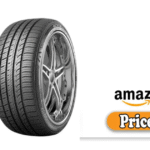
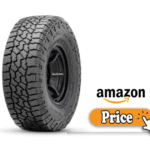
If you’ve been browsing the internet or walking through any tire store lately, you’ve probably noticed Kumho Tires showing up everywhere. They’re one of those brands that isn’t exactly niche but also doesn’t usually land in the “premium” category like Michelin, Bridgestone, or Goodyear.
Instead, Kumho occupies this interesting middle ground: affordable but not “cheap,” reputable but not flashy, widely available but not usually hyped. A few years ago, when I found myself needing new tires, I kept seeing Kumho tires for sale at prices that made me stop and think.
Their reviews were surprisingly positive. Drivers talked about long tread life, great wet handling, and comfortable highway driving. The name wasn’t unfamiliar; I’d seen Kumho tires on passenger cars, SUVs, and even some performance vehicles. But I’d never personally tried them.
So, after doing what every responsible adult does (meaning: Googling way more than necessary), I decided to give them a shot. Over time and across different vehicles, climates, and road types, I’ve built a solid understanding of what Kumho is all about.
This article is my honest, hands-on, real-world review of Kumho tires. No sponsorships. No marketing fluff. Just what I’ve experienced as an average U.S. driver who wants a tire that won’t fail on potholes, won’t hydroplane in rain, won’t roar on the freeway, and won’t drain my bank account.
If you’re researching Kumho tires for sale and want a comprehensive, human-written breakdown, you’re in the right place.

What I Like
Let’s start with the good stuff because, genuinely, there’s a lot to appreciate about Kumho tires, especially when you factor in the price.
1. Excellent Value for the Money
Kumho isn’t pretending to be Michelin or Pirelli. They’re focused on giving drivers serious performance at reasonable pricing, and they nail that target. You’ll almost always pay less for a set of Kumho tires compared to most mid-tier brands, yet the quality often feels very comparable.
2. Surprisingly Strong Wet Traction
One of the biggest reasons I actually stuck with Kumho after my first set was how well they handle wet roads. Whether it’s light rain or heavy downpour, Kumho’s tread patterns and rubber compounds offer great grip and hydroplaning resistance.
3. Low Road Noise
For me, noise matters a lot. Some budget-friendly tires feel like you’re driving on mudflaps made of gravel. But Kumho? Quiet. Smooth. Comfortable. Many of their all-season and touring models have noise-canceling tread designs that genuinely work.
4. Good Ride Comfort
Ride quality on Kumho tires is surprisingly plush. They soak up bumps, absorb rough patches, and generally provide a soft, forgiving feel on the road.
5. Reliable, Predictable Performance
The thing I appreciate most is how consistent Kumho tires feel. You don’t get weird surprises, no sudden slipping, no unpredictable braking behavior. They simply do their job well.
6. Large Selection Across Categories
Whether you drive:
- A compact commuter
- A mid-size SUV
- A family minivan
- A pickup
- A sporty coupe
Kumho most likely has a model made specifically for your vehicle style. 👉🏿👉🏻 Check the Latest Price and Offer at Amazon 👈🏻👈🏿
What Could Be Better
Kumho offers great value, but it’s not without its imperfections. Here’s where they fall a little short compared to higher-end brands.
1. Tread Life Isn’t Class-Leading
While Kumho tires last a respectable amount of time, they don’t quite match the longevity of premium brands. You get what you pay for, but at this price, the lifespan remains quite solid.
2. Snow Performance Is Hit or Miss
Some Kumho models handle light snow extremely well, while others struggle. If you live in a serious winter climate (Minnesota, Wisconsin, Michigan, upstate New York), I’d recommend a dedicated winter tire or a Kumho winter-specific model.
3. Not Ideal for Very Aggressive Driving
Kumho daily-driving models aren’t made for spirited drivers or high-performance street racing. They’ll hold their own, but they aren’t built for intense cornering and high-heat track conditions.
4. Slightly Softer Sidewalls
This means more comfortable rides but also slightly less sporty steering response. Most everyday drivers won’t notice, but enthusiasts might.
5. Limited Premium-Level Features
Kumho is a value brand. So if you want cutting-edge technology like ultra-silica compounds, built-in noise reduction foam, or advanced self-sealing technology, you’ll be better off with a premium brand.
My Personal Experience
Over the years, I’ve used several Kumho models across three different vehicles. Here’s how each experience went.
1. Compact Sedan – Kumho Solus TA11
For everyday commuting, the Solus line is rock solid. It’s comfortable, quiet, and reliable. Great for city and suburban driving.
2. Crossover SUV – Kumho Crugen Premium KL33
This was the tire that really made me respect the brand. Excellent wet traction, very quiet, and surprisingly durable. My SUV felt stable and planted even on long highway trips.
3. Full-Size Truck – Kumho Road Venture AT51
Confession: I didn’t expect much from a budget-friendly all-terrain tire. But the AT51 blew me away with its:
- Off-road traction
- Quietness for an A/T tire
- Decent tread life
- Stable highway feel
It’s not a hardcore off-roader tire, but for everyday truck owners who occasionally go off pavement, it’s perfect.
Across all these experiences, Kumho consistently delivered better-than-expected performance at a price I couldn’t argue with.
Design
Kumho isn’t the most flashy brand, but its tread designs and sidewalls have gotten much more modern over the last decade.
1. Tread Patterns
Depending on the model, Kumho tread designs can be:
- Directional
- Symmetrical
- Asymmetrical
Each design contributes differently to traction, noise reduction, and water evacuation.
2. Rubber Formulations
Kumho uses silica-blended rubber compounds that provide:
- Better wet grip
- Lower rolling resistance
- Improved wear patterns
Thits a big step up compared to budget brands.
3. Sidewall Construction
The sidewalls are well-designed, clean, and sporty-looking. Not the boldest, but they don’t look cheap either.
Performance
Let’s break down Kumho’s performance in a way that reflects real-world U.S. driving conditions.
1. Dry Traction
Very good for everyday driving. Kumho tires feel stable when accelerating, braking, or cornering. They’re not performance tires, but they don’t feel sloppy either.
2. Wet Traction
One of their strongest categories. Many Kumho models use wide circumferential grooves that help push water away to prevent hydroplaning.
3. Snow & Ice
Varies significantly by model:
- Light snow? Mostly fine.
- Deep snow or icy roads? Not so much.
If winter is a big part of your year, choose a snow-specific Kumho tire or upgrade to a high-end winter brand.
4. Comfort
Comfort is consistently excellent. Kumho tires tend to feel plush, soft, and easy on the suspension.
5. Road Noise
Among the quietest in their price range. Even their more rugged SUV and truck models are manageable noise-wise.
6. Fuel Efficiency
Good rolling resistance leads to small MPG improvements. Nothing dramatic, but noticeable on long trips.
7. Handling
Steering response is decent but not performance-oriented. Kumho seems to prioritize comfort over aggressive handling.
Build Quality
Kumho’s build quality has impressed me over the years.
1. Manufacturing Consistency
All sets I’ve owned balanced easily and had no factory defects. The quality control is strong.
2. Wear Pattern Stability
Even wear is a big plus. I never had cupping, uneven bald spots, or weird shoulder wear unless my alignment was off.
3. Temperature Performance
Kumho rubber compounds handle both heat and cold well. They perform great in summer and hold up in winter, e,r basike I said, deep snow isn’t their specialty.
4. Sidewall Durability
Sidewalls are durable enough for everyday roads but aren’t built to take hardcore abuse like premium all-terrain tires.
Alternative Option
If you’re considering Kumho but want to compare it to similar brands, here are the closest alternatives:
1. Hankook
Often considered Kumho’s closest competitor. A bit pricier but sometimes longer-lasting.
2. Falken
Great all-terrain and performance options, but sometimes noisier.
3. Cooper Tires
American-made with strong durability. Usually slightly more expensive.
4. Toyo
Excellent for trucks and SUVs, but higher in price.
5. General Tire
Another great value brand that comits well with Kumho in both price and performance.
Final Thought
After thousands of miles on different models and across different vehicles, here’s my honest conclusion:
Kumho tires deliver an outstanding balance of value, comfort, and performance.
If you’re browsing for Kumho tires for sale, you’re looking at one of the best budget-to-mid-tier tire options available in the U.S. They aren’t the most premium brand, but they absolutely deliver where it matters:
- Safety
- Comfort
- Wet performance
- Quiet ride
- Price
Would I buy them again? Yes, without hesitation. If you want solid tires without spending premium money, Kumho is a smart choice.
Read More: Hankook Tires Price | My Honest Experience
FAQs: Kumho Tires For Sale | My Honest Experience
1. Are Kumho tires good?
Yes. They offer excellent value, strong wet traction, and reliable performance for everyday driving.
2. How long do Kumho tires last?
Typically between 40,000–65,000 miles, depending on the model and driving habits.
3. Are Kumho tires good in snow?
They handle light snow well but struggle in heavy or icy conditions unless you choose one of their winter-specific models.
4. Are Kumho tires made in the USA?
Some models are produced in the U.S., while others come from South Korea, Vietnam, or China.
5. Are Kumho tires noisy?
No. They’re among the quieter brands in their price range.
6. Are Kumho tires budget tires?
They’re value-tier, not ultra cheap, but not premium. They hit the sweet spot between affordability and quality.
7. How do Kumho tires compare to Michelin?
Michelin leads in longevity and performance, but Kumho gives you better price-to-performance value.
8. Are Kumho tires reliable for long road trips?
Absolutely. Many models are specifically designed for highway comfort and stability.
9. Do Kumho tires come with a warranty?
Yes. Most come with treadwear warranties between 50k and 70k miles.
10. Should I buy Kumho tires?
If you want dependable performance without premium pricing, yes, Kumho is an excellent choice.