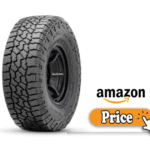
Choosing the right tires is one of those decisions that sounds simple until you’re actually standing in the tire shop or scrolling through endless online listings trying to figure out what’s best for your car. If you’re like me, you want something safe, reliable, durable, and fairly priced.
And, preferably, from a brand you don’t have to Google three times to check if they’re legit. That’s what led me to the Goodyear Assurance line of tires. I’ve used Goodyear on and off for years, but this was the first time I went with the Assurance model specifically.
I chose them because they’re marketed toward everyday drivers, commuters, road-trippers, people who face real-world conditions like potholes, gravel shoulders, hot summers, cold snaps, and random thunderstorms.
I live in the U.S., drive a mid-size sedan, and put on a pretty average number of miles a year, around 12,000 to 15,000, depending on my schedule. So I’m smack in the middle of the target category for these tires. I wanted something that wouldn’t give me trouble, wouldn’t cost a small fortune, and would handle the unpredictable Midwest weather.
This article is my full, honest, real-world personal review of the Goodyear Assurance tires, based on months of actual driving through highways, suburbs, backroads, and some rougher terrain than I intended. If you’re considering these tires and want a practical breakdown, not marketing fluff, then this is the review you’ll want to read.
Grab a drink, because we’re going deep: design, build quality, weather performance, durability, noise level, alternatives, and everything in between.

What I Like About Goodyear Assurance Tires
There’s quite a bit I genuinely appreciate about the Goodyear Assurance line. They’re not hype; they actually deliver on the basics and then some. Here are the standout things that made me feel good about this purchase:
1. Solid All-Season Reliability
If you live somewhere with mixed weather, or snowy winters, rainy spring and summer, hot summers, you know the struggle of choosing between all-season, performance, or winter tires. The Assurance line hits a sweet spot. They’ve handled heavy rain for me with surprising confidence.
Hydroplaning wasn’t really an issue unless I was driving like I shouldn’t. In light snow, they’re respectable. Not winter-tire level, but enough to keep me safe in unplanned flurries.
2. Smooth, Comfortable Ride
One thing I instantly noticed: these tires absorb road imperfections like champs. On my highway commute, the car felt more stable and cushioned. Less vibration. Less noise. It gave my older sedan a “younger,” more refreshed feel.
3. Trusted Brand & Nationwide Warranty
Goodyear isn’t some off-brand you have to research. Finding shops that service these tires or honor their warranties is easy. Plus, rotations, balancing, and general tire support are incredibly accessible.
4. Good Wet Traction
This might be my favorite feature. Even in heavy downpours, the Assurance tires maintain a reassuringly strong grip. You know that tense feeling when you drive on worn tires in the rain? I didn’t get that with these.
5. Great for Daily Drivers
These tires are not for racing, off-roading, or high-performance vehicles. They are for real, everyday driving, and they excel in that category. Simple, dependable, no drama.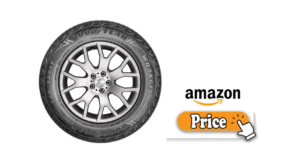 👉🏿👉🏻 Check The Latest Price and Offer at Amazon 👈🏻👈🏿
What Could Be Better
Even though I like these tires a lot, nothing is perfect. Here are the areas where Goodyear could do better:
1. Not the Quietest Tires Ever
They’re quieter than budget tires, yes. But if you’ve ever driven on high-end touring tires, you’ll notice the Assurance is not whisper-silent. The noise is decent, just not luxury-level.
2. Not Ideal for Heavy Snow or Ice
All-season tires are always a compromise. These can handle mild snow, but if you’re dealing with serious winter conditions every year, you’ll want a dedicated winter tire.
3. Treadwear Isn’t the Longest in the Segment
Still good, just not class-leading. I’ve seen reports from other drivers that they get around 55,000–65,000 miles depending on the model, which is decent but not exceptional.
4. Pricing Can Be a Mixed Bag
Sometimes you can find a great deal. Other times, the price feels a little high for what you get. It depends heavily on your retailer and timing.
My Personal Experience
Okay, here’s the part I really enjoyed: sharing the real-world, no-BS experience of driving on these tires.
I purchased my Goodyear Assurance tires about nine months ago. Since then, I’ve driven through:
- Heavy Midwest thunderstorms
- Freezing winter mornings
- Hot summer road trips
- Rough rural roads
- City stop-and-go traffic
Installation & First Impressions
The first drive after installation felt incredibly smooth. The handling felt sharper, and the steering wheel felt more centered. I didn’t realize how worn my old tires were until I felt the difference.
Daily Driving
Day-to-day driving is where these tires shine. Smooth acceleration, predictable braking, and consistent traction. When I take tight turns or roundabouts, the tires feel controlled, not sloppy.
Rain Performance
Honestly, this might be the highlight of my entire experience. These tires cut through standing water like it’s nothing. I’ve driven through rain so heavy that I could barely see the car ahead—but the tires didn’t wobble or skid.
Winter & Cold Weather
In shallow snow or slush, they’re fine. But after one icy morning commute, I quickly learned they’re not miracle workers. They can handle winter, but they’re not optimized for it.
Long-Distance Trips
On longer drives, the Assurance tires are comfortable. They maintain a good grip even after long stretches at highway speeds. And they don’t get excessively loud as they heat up.
Treadwear & Durability So Far
After nine months, the tread is wearing evenly. I rotate my tires religiously, so that helps. I haven’t had any punctures, bulges, or structural issues.
Overall? These tires do exactly what they’re designed to do: keep you safe, stable, and comfortable in everyday driving conditions.
Design
Let’s talk design. Tires don’t get a lot of credit for their engineering, but the Goodyear Assurance line actually has some worth noting.
1. Symmetric Tread Pattern
This helps with even wear, predictable handling, and easy rotations. Symmetric designs are a staple of reliable all-season tires.
2. Multiple Water Channels
The grooves and sipes on these tires are optimized for pumping water away from the contact patch. This is why they’re so strong in wet conditions.
3. Sidewall Strength
The sidewalls on the Assurance line feel sturdy without being stiff. There’s a balance between comfort and durability, which is key for pothole-heavy roads.
4. Rubber Compound
Goodyear uses a proprietary all-season rubber blend. It’s firm enough for longevity but soft enough to maintain grip in colder temperatures.
5. Road-Contact Optimization
The design aims to keep more of the tire touching the road at all times, which translates to stability and better cornering.
Performance
Here’s how the Goodyear Assurance tires perform across different categories:
Dry Roads
Excellent. Traction is strong, handling feels confident, and braking distance is impressive. These tires don’t slip or squeal unless you’re pushing them harder than a commuter normally would.
Wet Roads
One of the best all-season wet performances I’ve experienced. Hydroplaning is minimal, even at highway speeds in heavy rainfall.
Snow & Ice
Moderate snow: Good
Heavy snow: Okay
Ice: Not great (but most all-seasons aren’t)
Cornering
Not sporty, but stable and predictable. The tires don’t flex too much, and they keep the car grounded.
Noise Levels
Moderate. Not loud, not silent. Middle of the road.
Fuel Efficiency
I did notice a slight improvement, a couple of extra miles per tank. Nothing dramatic, but helpful.
Highway Driving
Smooth, controlled, and comfortable. These are definitely commuter-friendly tires.
Build Quality
Goodyear has always had strong manufacturing consistency, and the Assurance line reflects that.
Strengths
- Even treadwear
- Sturdy sidewalls
- Clean, well-cut treads
- Quality rubber compound
Weaknesses
- Some drivers report premature wear if they don’t rotate often.
- Softness of the rubber means faster wear if used aggressively.y
Overall, the tires feel well-made and durable in daily conditions.
Alternative Option
If the Goodyear Assurance line isn’t quite what you’re looking for, here are some great alternatives worth considering:
1. Michelin Defender T+H
- Exceptional tread life
- Superior comfort
- More expensive
Great choice if you want premium longevity.
2. Bridgestone Turanza QuietTrack
- Extremely quiet
- Excellent grip
- Higher price point
Perfect if noise reduction is your priority.
3. Continental TrueContact Tour
- Great all-around performance
- Strong wet and dry traction
- Often cheaper than Goodyear
A solid alternative in the same category.
4. Cooper CS5 Ultra Touring
- Affordable
- Reliable performance
- U.S. brand with good value
If you’re budget-conscious, this is a nice option.
Final Thought
After months of driving on Goodyear Assurance tires, I can confidently say they live up to their reputation. They’re dependable, comfortable, and versatile, exactly what most everyday drivers need.
Are they perfect? No. But do they offer strong performance, safety, and value for the average U.S. commuter? Absolutely.
If you want a tire that you don’t have to think twice about, one that will keep you steady on wet roads, balanced in daily driving, and comfortable on long rides, the Goodyear Assurance is a great choice.
Read More: Kumho Tires Price | My Honest Experience
FQAs: Assurance Goodyear Tires | My Honest Experience
1. Are Goodyear Assurance tires good for winter?
They handle mild winter conditions fine, but they’re not a replacement for true winter tires in heavy snow or ice.
2. How long do Goodyear Assurance tires last?
Typically, between 55,000–65,000 miles, depending on the exact model and how well you maintain them.
3. Are they quiet?
Moderately quiet. Not the quietest in the touring category, but definitely quieter than budget tires.
4. Do they improve gas mileage?
Slightly. I saw a small improvement, but nothing dramatic.
5. Are Goodyear Assurance tires worth the price?
Y, especially if you drive daily and want a dependable, safe, long-lasting tire without the price tag of premium touring models.
6. Do they work well in the rain?
Yes. This is one of their strongest features. Wet traction is excellent.
7. How do they compare to Michelin or Continental?
Michelin typically lasts longer, Continental sometimes grips better, but Goodyear Assurance is a more affordable middle-ground option with strong reliability.
8. Can I use them for off-roading?
Not recommended. They’re not built for off-road terrain or heavy-duty conditions.
9. What vehicles are they best for?
Sedans, coupes, crossovers, compact SUVs, and minivans.
10. Do they come with a warranty?
Yes, most Assurance models include a mileage warranty ranging from 55k to 75k miles, depending on the exact version.