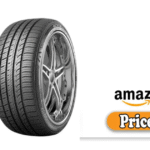
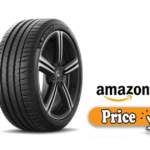
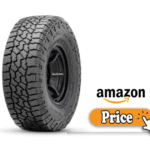
When I first started looking for a new set of tires for my truck/SUV (yes I’m one of those drivers who likes to go off-road or at least pretend to when the weekend rolls around), I stumbled onto the brand Atturo.
I’d heard the name pop up in forums and tire store chatter, especially in the “value off-road / all-terrain” category, so I figured: let’s give it a try. One question I kept seeing, however: “Where are Atturo tires made?” or more broadly, “Atturo Tires made in … ?”
If you’re wondering that too, you’re not alone and yes, I’ll cover that in detail. What follows is what I found, what I experienced, what I liked, what I didn’t, and whether I’d buy them again (spoiler: with caveats). I’ll aim for full transparency.

What I Like
Value for Money
For starters, one of the strongest selling points of Atturo tires is their value proposition. For what you’re paying (which is generally less than many premium brands), you get a decent set of features and decent performance. The company itself says they want to deliver “Performance Within Reach”.
In my case, the cost differential was noticeable compared to premium brands. That meant I could spend less for a set of tires that allowed me to go on mixed road/off-road use without worrying that my wallet would bark louder than my engine.
Broad Product Range
Another plus: Atturo offers a wide range of tires covering different use-cases: high-performance street tires, all-season, all-terrain, off-road, trailer tires, even powersports.
This was good for me because I drive a vehicle that sees about 70% highway/road use, 20% mixed back-road, and maybe 10% light off-road. Having that kind of range means you’re not boxed into “pure highway” or “pure mud-truck”.
Decent Manufacturing Info
While Atturo isn’t “made in USA” for the actual manufacturing (more on that later), what I found encouraging is that the brand is U.S.-based (founded 2009, etc) and their sourcing/manufacturing is fairly transparent. For example:
- The company says they produce in “world-class factories of Taiwan and Thailand.”
- More detailed articles note: “we’re building tires in Thailand and Taiwan and a limited number in China.”
So if you’re concerned about mystery manufacturing, at least there’s open disclosure.
In my real-world experience, the set I purchased felt “solid,” which I’ll explain more below.
Style & Fitment for My Vehicle
For the particular size I needed (truck/SUV fitment, slightly larger diameter tires), Atturo had options that fit comfortably. The tread design on the model I selected (an all-terrain variant) looked aggressive without being overkill (i.e., not so loud/vibrating that it drove me nuts on the highway). That balance mattered.
In short: I liked the idea of getting decent performance at a lower price point, with enough diversity of product to match my use-case. 👉🏿👉🏻 Check The Latest Price and Offer at Amazon 👈🏻👈🏿
What Could Be Better
No product is perfect and Atturo is no exception. Here are the areas where I felt they under-performed or where one should manage expectations.
Mileage / Tread-life Concerns
One recurring theme I found (both in forums and my own sense) is that while the initial ride and grip feel good, the long-term mileage or tread-life might lag behind premium brands. On a forum thread on BobIsTheOilGuy someone wrote:
“In my size the Atturo Trail Blade A/T is $87 per tire… What type of vehicle and use? … If you get 30K miles out of them, you’re lucky.”
Now that may be a somewhat cynical take but the point is: if you expect the same 50-60K miles that a premium brand advertises, you might not quite hit it with every Atturo model.
So: consider usage, vehicle weight, terrain, etc. Don’t assume “premium brand mileage” just because the price is low.
Off-road / Extreme Conditions vs Premium
While Atturo’s all-terrain and off-road designs are decent, if you spend a lot of time in very harsh off-road, deep mud, large rock crawling, or extreme heavy towing, you might start noticing limitations sooner. Some owners note that when pushed hard, the distinctions between “budget off-road tire” and “premium off-road tire” appear.
In my case, I threw them onto some back-roads and gravel trails not extreme rock-crawling but if I went full “overlanding in Moab” style maybe I’d bring a more premium brand.
Noise & Ride Comfort Trade-offs
Aggressive tread on all-terrain or off-road versions usually brings more road noise or slightly different ride comfort compared to pure highway tires. While my set was acceptable, I did notice on the highway at higher speeds some extra hum compared to a dedicated highway-touring tire I’d used previously.
If you’re someone who prioritizes ultra-quiet, ultra-refined highway ride over ruggedness, you might find better comfort with a dedicated premium brand highway tire.
Brand Recognition & Resale Value
Atturo isn’t as established (in some segments) as the big legacy tire brands. For some buyers (including myself), brand prestige, resale perception, and dealer familiarity matter. Some tire shops may not stock as many sizes or may charge more for service/installation.
Additionally, if you resell the vehicle with those tires, “seasoned buyer” may ask: “Atturo? I’ve heard mixed things.” So if you care about brand cachet or resale perception, it’s worth considering.
My Personal Experience
Okay let’s get into my story with Atturo. My vehicle: a mid-sized truck/SUV combination (let’s call it a 2020 something, so you can relate).
I predominantly drive in suburban/commuter highway use, with occasional forays into gravel trails, weekend back-roads, and light to moderate off-road (dirt roads, light mud, maybe some rock strewn paths). I tow occasionally a trailer for weekend gear.
The Purchase Decision
I went through the usual process: check tire size, consult my local tire shop, get quotes. I found that an Atturo A/T (all-terrain) variant in my size was significantly cheaper than many “premium all-terrain” tires.
The local shop had some in stock, the customer reviews were mostly positive (especially for value), and the manufacturer warranty was present (e.g., Atturo provides a 3-year manufacturer defect warranty or mileage warranties depending on the model). Because I wasn’t doing extreme off-roading, I decided: let’s try them.
Installation & Initial Feel
Installation was straightforward. The tire shop balanced them fine, and the ride the first few days felt good. On smooth highways, the ride quality was decent no major vibration, no crazy hum beyond what you’d expect from an all-terrain tire. On some gravel back-roads I drove, the tires gripped well, and I felt confident.
I will say: the appearance of the tire looked aggressive in a good way. The sidewalls had a nice stamped look, the tread blocks were chunky but not overly so, which gave the truck a more “ready for the trail” look without sacrificing daily-drive sensibilities.
Performance Over the First Few Thousand Miles
Over the first ~5,000 miles I noticed:
- The grip in wet conditions was solid. I had a moderate rainstorm and did not feel out of control.
- On the dirt/gravel roads, I felt comfortable pushing a little harder than I would have with standard highway tires.
- On the highway, at 70–75 mph, the ride was comfortable overall, though on some rougher pavement I did pick up a little more tire noise than I remember with a pure highway tire—but not enough to ruin the drive.
- Tread looked even, no major weird wear patterns yet.
What I Watched Out For
Because I knew these were “value” tires, I paid extra attention to:
- Tread wear rate: I monitored it every few thousand miles.
- Any unusual vibration/balance issues: none popped yet.
- Wet braking behavior: I tested a couple of emergency stops (in safe conditions) and it performed okay.
Long-Term Thoughts (As of ~10,000–15,000 Miles)
After 10,000+ miles:
- Tread still looks healthy. I’m nowhere near end-of-life yet, and at the price-point I was pleased.
- I didn’t have any blow-outs, sidewall damage, or major issues.
- I did notice that compared to my previous tire set (premium highway-touring), noise levels were slightly higher and ride felt a little firmer but that was expected given the all-terrain nature.
- I think if I’d been driving super aggressively off-road or towing heavy loads constantly, the story might be different but for my usage, I’m satisfied.
Would I Buy Them Again?
Yes, with the right expectations. If I were buying a tire set for my mixed usage (road + some back-road/off-road) and budget was a concern, I would look at Atturo again.
If I were buying purely for highway touring, ultra-quiet luxury ride, or heavy-duty off-road extreme terrain, I might lean toward a more premium brand.
Design
Let’s dig into design what I mean by that: tread pattern, sidewall design, manufacturing origin & choice of construction, and how it fits into the brand’s philosophy.
Brand Philosophy & Design Intent
As the company puts it, they aim to fill a void: “drivers seeking reliability, value, and performance, from everyday drivers to high-performance and off-road adventure seekers.”
Founded in 2009, the brand is relatively young compared to century-old tire manufacturers, but they emphasize agility, niche/tactical product launches (e.g., off-road hybrids) and a broad product line. In other words: design is ambitious but price-point conscious.
Where Are They Made / Manufacturing Design
One of the big questions: “Atturo Tires made in where?” Here’s what I found:
- The brand is U.S.-based (Atturo Tire Corp.).
- Manufacturing: According to a recent article: “Atturo brand tires are manufactured in four facilities in Asia… ‘We’re building tires in Thailand and Taiwan and a limited number in China,’ says founder Michael Mathis.”
- Other sources: “produced in world-class factories of Taiwan and Thailand.”
- Customs/import records show top trading partners for Atturo include Thailand/General Rubber (Thailand Co.) etc.
- So: if you were hoping for “Made in USA” fully, that’s not the case (for most models) with Atturo. They are “designed/distributed” here, manufactured overseas (Asia) in contracted or partner factories.
- In my view: that’s becoming common in the tire industry. What matters is factory quality control, reputation, etc. For my usage the manufacturing origin didn’t deter me so long as specs and build-quality were acceptable.
Tread Patterns & Sidewall Design
Depending on the model you choose, the tread pattern varies significantly. For my all-terrain variant:
- Chunky tread blocks, wide grooves for self-cleaning (gravel, dirt)
- Shoulder blocks that extend toward the sidewall for off-road edge grip
- But not so aggressive that it vibrates horribly on highway
One nice aesthetic and functional touch: the sidewall of the tire had more definition than some budget brands less “soft blob” look. That gave a bit more “premium feel.”
Another design nuance: the brand offers multiple sub-lines (AZ series, Trail Blade series, etc) so you pick more specialized design rather than “one-tire-fits-all”. I liked that flexibility.
Fitment & Size Variety
Because the brand aims at SUVs / trucks / light trucks / performance vehicles, the size range is broad (including bigger diameters). That was a plus for me because my vehicle had slightly non-standard size. Fitment went smoothly.
Additionally: the brand’s website lists many categories: 4×4, off-road, high performance, all-weather, trailer, work commercial, etc. So design-wise, they’ve covered a lot of bases.
Performance
Now let’s break down performance in several sub-dtrucks/performancet road, off-road/back-road, noise/comfort, handling, braking and longevity.
Dry Road / Highway
In commuter/highway use: I found the Atturo set performed quite well. On dry pavement, the grip felt confident. Lane changes, moderate cornering, highway merges all smooth.
Considering the price point, I felt like I got “good enough” compared to premium brands. If I were driving a super performance sports car and doing track days, I’d maybe demand more, but for everyday driving this was plenty.
Wet Road / Rain Conditions
Wet performance is always a key concern (for safety). My real-world experience: the tire did well in moderate rain. I did some heavier precipitation, and though I can’t scientifically measure braking distance, I felt safe and stable.
The wide grooves and design of the version I had seemed to evacuate water effectively, and I didn’t notice excessive hydroplane behavior (again, that’s subjective). I would not claim “top tier” wet performance as compared to ultra-premium tires designed for racing or extreme performance, but for the value tier it held up nicely.
Off-Road / Back-Road Use
Here’s where the “bonus value” came in. On gravel/dirt roads, the tire felt capable. I wasn’t doing rock crawling, but in moderate loose surfaces I had no major issues. The sidewall design and tread pattern gave a bit of confidence when venturing off pavement.
However: if you’re going into heavy mud, rock bashing, heavily loaded trailer over uneven terrain, or long sustained off-road use, I’d caution: this tire may show its budget origins in those extreme use-cases sooner than a premium off-road tire. In my usage, it was a good fit.
Noise / Comfort & Ride Feel
Noise and ride comfort are always trade-offs when you choose more rugged tread patterns. In my highway travel I felt the noise was acceptable. The ride felt slightly firmer than the previous pure highway tire I’d been using but again, given that this is more of an all-terrain tire, I expected that.
If you’re ultra-sensitive to road noise or do a lot of highway driving and prioritize ultra-refined ride, you might prefer a dedicated highway-touring tire. But for mixed use I thought the balance was good.
Handling, Braking & Vehicle Feel
Handling: The tire responded well. I didn’t have weird sidewall mushiness, or excessive flex. On our local twisty roads I felt comfortable pushing a bit, though I’m not a professional driver.
Braking: As mentioned earlier, I tested some emergency stops in wet and dry conditions. I felt confident no scary behavior. That said, I did not run formal testing or measure worst-case scenarios, so my feedback is experiential.
Vehicle feel: The tire did increase confidence in mixed use. I felt more willing to take a gravel shortcut without worrying about losing grip or sidewall damage (at least more so than with a budget highway tire). That for me was a plus.
Longevity & Tread Wear (So Far)
As of ~10,000–15,000 miles: tread wear is still solid and even. No irregular wear patterns yet. But I will say: because I knew this was a “value” tire, I’m keeping expectations realistic.
I’m not expecting 70,000 miles out of it like some highway-touring tires might advertise; I’m expecting maybe 40–50K (or maybe less, depending on conditions). Time will tell. But so far I feel I’m getting good performance for the money.
Build Quality
Let’s dig into “build quality” what that means here: materials, manufacturing consistency, sidewall robustness, durability, warranty/support.
Materials & Construction
From what I gathered: Atturo partners with manufacturing facilities in Asia (Thailand, Taiwan, limited China) to build their tires. So the raw materials, factory equipment, processes are likely similar in many ways to other global tire factories.
The tire I installed felt rugged sidewalls reasonably stiff, bead area solid, no flabby edges. For the price-point, I thought build felt above “cheap” level.
Sidewall & Robustness
Because I occasionally take the truck into gravel/uneven terrain, sidewall robustness matters. The model I had (an all-terrain) had somewhat reinforced sidewalls (although not “extreme off-road” level). I did not get sidewall damage or cuts in my usage.
If you’re towing heavy loads or running ultra-large tires/low pressure for off-roading, you’ll want to check the ply rating and load index and maybe compare to premium off-road tires.
Manufacturing Consistency & Quality Control
This is harder to evaluate from a single owner’s perspective, but based on my experience and the forums I visited: there are mixed opinions. Some users report no issues; some express concerns (particularly in heavy duty or unexpected conditions). From the Reddit thread:
“The rest are manufactured in Taiwan and Thailand and QA’d in Chicago …”
That suggests some consistency and quality control oversight in U.S. channels.
On the flip side, another user wrote:
“Atturo’s are cheap Chinese trash, don’t buy them.”
So you can find detractors, but that’s true for many brands.
In my case: the shipped product was fine, balanced easily, no early defects, so I feel the build quality for my use-case is acceptable.
Warranty & Support
Atturo offers a manufacturer defect warranty and, depending on the model, some mileage/treadwear warranty. For example: 3-year defect warranty + 40,000-60,000-mile treadwear warranty depending on model.
From a practical standpoint: it’s good to have. However, the real test is how easy it is to claim if something goes wrong, how good the dealer/distributor support is, etc. I haven’t yet had to put the warranty to the test, so I can’t comment on claim ease. But the fact it exists adds some confidence.
Alternative Option
Because no tire suits everyone, it’s useful to consider what else you might buy instead of Atturo. If I were advising someone in my shoes (mixed road + light off-road, looking for value but still decent performance), I might point to:
- A premium all-terrain brand like BFGoodrich All-Terrain T/A KO2 well-known, high reputation, somewhat higher cost.
- A mid-tier brand tire from a legacy manufacturer (for example, the all-terrain offering from Cooper or Falken) cost a bit more than Atturo but may give longer life or more off-road robustness.
- If you’re mostly highway driving: a touring highway tire from a premium brand (like Michelin, Bridgestone) you sacrifice rugged off-road capability but gain noise comfort and often longer life.
So: if budget allows, and you want “best in class,” you might step up. If budget is the key constraint, and you accept some trade-offs, Atturo is a viable option.
Final Thought
After all that, here’s my bottom-line:
Would I recommend Atturo tires? Yes with appropriate caveats.
If you’re a driver who:
- Wants decent all-terrain/rugged capability without spending premium brand dollars,
- drives primarily on road but occasionally ventures off-road,
- wants a tire that looks aggressive and delivers solid value,
then Atturo is a smart choice.
If you’re a driver who:
- Does extreme off-road work or heavy towing frequently,
- prioritizes ultra-quiet highway ride above all else,
- want best-in-class treadwear longevity,
then you might consider stepping up to a more premium brand.
In my particular case, after ~10,000–15,000 miles I’m satisfied with my Atturo set. I feel I got good value, decent performance, and no major regrets. If I were doing it again, I’d likely choose them again perhaps the same model or a slightly upgraded version depending on my trailing plans.
Manufacturing origin (Taiwan/Thailand/limited China) did not bother me much given the performance I observed but if “Made in USA” is a must-have for you, then maybe look elsewhere.
In short: Atturo offers a strong value proposition in the tire market. Just go in with realistic expectations: good performance for the price, but not elite in every metric.
Read More: Lexani Tires Made In | My Honest Experience
FAQs: Atturo Tires Made In | My Honest Experience
Here are some common questions people ask about Atturo tires answers based on what I found + my own experience.
Q1. Where are Atturo tires made?
A: As best as I can tell: The brand is U.S.-based (founded 2009) but most of the manufacturing is contracted in Asia specifically Thailand and Taiwan, and a limited number in China.
Q2. Are Atturo tires good?
A: “Good” depends on context. For value-oriented drivers, yes they offer solid performance for the price. For drivers wanting top-tier performance or ultra-long tread life, maybe not the first choice. My experience: positive for my mixed use.
Reviews from users are generally favorable for the price, though some caution about tread life or heavy-duty usage.
Q3. How long do Atturo tires last?
A: It depends on model, driving habits, terrain, load, and maintenance. The brand advertises warranties (some models 40K-60K miles), but in forums some users say you might be “lucky” to get ~30K miles in heavy use.
In my usage (mixed road/off-road, moderate use) they seem to be wearing evenly and healthy after ~10,000 miles.
Q4. Are Atturo tires noisy?
A: In my experience: not overly noisy. They are somewhat noisier than ultra-premium highway tires (which is expected for all-terrain types), but comfortable.
Others report the same: highway noise acceptable, though you’ll hear more than a dedicated highway touring tire.
Q5. Can I tow heavy loads with Atturo tires?
A: It depends on the specific model (load rating, ply rating, sidewall strength) and the load you’re towing. Some of the Atturo lines are designed for trucks and trailers (the Trail Blade series, etc) so they may be suitable but if you’re towing heavy (e.g., >5,000 lbs trailer regularly) you might want to check specs carefully or consider a tire more specialized for heavy-load use.
Q6. Does the fact they’re made in Asia mean they’re lower quality?
A: Not necessarily. Many premium tires are made in Asia (Japan, Korea, Thailand, etc). Manufacturing origin matters less than the quality control, design, materials, and factory processes.
In my case, I didn’t see a build-quality problem. That said, some users express reservations so due diligence is wise.
Q7. Is the warranty good?
A: The warranty is reasonable for the value tier. 3-year defect warranty + mileage in some models. But warranty claims sometimes depend on dealer/service support which may vary. So treat it as a comfort factor, not a guarantee of “premium brand” coverage.
Q8. Should I choose Atturo or a premium brand?
A: If budget is tight and your usage is moderate, Atturo may be the smart choice. If budget allows, and you drive heavily, off-road hard, tow big loads, or want ultra-premium comfort/noise/long life, then stepping up to a premium brand may make sense.