There was a time when I believed changing engine oil was something you simply did every 3,000 miles without thinking twice. It was advice I had heard for years, so I followed it religiously.
But after owning several vehicles, talking with experienced mechanics, and learning more about modern engines, I realized the answer isn’t always that simple.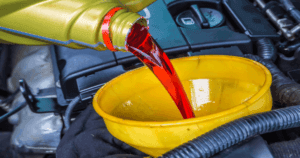 Today’s vehicles, synthetic oils, and onboard maintenance systems have changed the rules. While some cars still benefit from frequent oil changes, others can safely go much longer. The key is knowing what your vehicle is telling you.
In this guide, I’ll share the warning signs I’ve learned to recognize, explain why engine oil matters, compare fresh and old oil, and help you determine when it’s really time for an oil change.
Whether you’re a first-time car owner or simply want to protect your investment, this guide will help you make informed decisions and avoid costly engine repairs.
Why Engine Oil Matters
Engine oil does much more than lubricate moving parts. It performs several critical functions that keep your engine healthy. Engine oil helps:
- Reduce friction between engine components
- Prevent overheating
- Remove dirt and sludge
- Protect against corrosion
- Improve fuel efficiency
- Extend engine life
Without clean oil, even the best-built engine will eventually suffer excessive wear and expensive damage.
Top Signs You Need an Oil Change
1. Your Oil Change or Check Engine Light Comes On
Modern vehicles constantly monitor engine performance. One of the first signs is an illuminated oil maintenance light.
While this doesn’t always mean immediate danger, it shouldn’t be ignored. If the red oil pressure warning appears, stop driving as soon as it’s safe because low oil pressure can severely damage the engine.
2. The Engine Becomes Louder
One of the first things I noticed before an overdue oil change was increased engine noise.
Fresh oil creates a protective barrier between metal parts. As oil ages, it loses its lubricating ability, allowing components to rub together more aggressively.
Common sounds include:
- Ticking
- Knocking
- Rattling
- Increased engine vibration
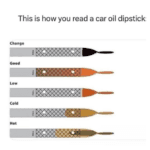
3. Dirty or Dark Oil
Checking your dipstick only takes a minute. Healthy oil usually appears:
- Amber
- Smooth
- Slightly transparent
Old oil often looks:
- Dark brown
- Black
- Thick
- Dirty
A darker color alone isn’t always a problem, especially with diesel engines,s but thick, gritty oil generally indicates it’s time for a change.
4. Burning Oil Smell
A strong oil smell inside the cabin should never be ignored. Possible causes include:
- Oil leaking onto hot engine parts
- Old oil overheating
- Low oil levels
If you notice smoke with the smell, have your vehicle inspected immediately.
5. Poor Fuel Economy
When engine oil loses viscosity, the engine works harder. More friction means:
- Lower fuel efficiency
- Reduced engine performance
- Increased operating temperatures
If you’re suddenly filling your gas tank more often, old oil may be one contributing factor.
6. Exhaust Smoke
While some vapor is normal on cold mornings, persistent blue or dark smoke often indicates oil-related issues. This may signal:
- Oil burning inside the engine
- Internal engine wear
- Oil leaks
Professional diagnosis is recommended.
7. Rough Idling
Engines typically idle smoothly. Old oil may cause:
- Increased vibration
- Rough idle
- Hesitation
- Sluggish acceleration
Although many issues can cause rough running, dirty oil is one possibility.
8. You’ve Passed the Recommended Mileage
Always follow your owner’s manual. General guidelines:
- Conventional oil: 3,000–5,000 miles
- Synthetic blend: 5,000–7,500 miles
- Full synthetic: 7,500–15,000 miles (depending on manufacturer)
Driving conditions also matter. Frequent:
- Short trips
- Heavy traffic
- Towing
- Dusty roads
- Extreme temperatures
may require more frequent oil changes.
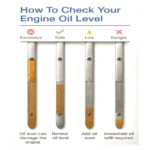
9. Low Oil Level
Checking oil level takes less than two minutes. If the dipstick consistently shows low oil:
- Add oil if necessary
- Look for leaks
- Monitor consumption
Running low on oil can permanently damage an engine.
10. Sluggish Engine Performance
When oil becomes contaminated, internal resistance increases. Symptoms include:
- Slower acceleration
- Reduced responsiveness
- Less power
- Engine strain
Fresh oil often restores smoother performance almost immediately.
Comparison Table: Fresh Oil vs. Old Oil
| Feature | Fresh Engine Oil | Old Engine Oil |
| Color | Amber or golden | Dark brown or black |
| Texture | Smooth | Thick or gritty |
| Lubrication | Excellent | Reduced |
| Engine Noise | Quiet | Louder |
| Fuel Economy | Better | Lower |
| Heat Protection | Excellent | Reduced |
| Sludge Formation | Minimal | Higher |
| Engine Wear | Low | Increased |
| Performance | Smooth | Sluggish |
| Recommended Action | Continue monitoring | Change soon |
How Often Should You Change Your Oil?
The old “every 3,000 miles” rule no longer applies to many modern vehicles. Instead, consider:
- Manufacturer recommendations
- Driving habits
- Oil type
- Climate
- Vehicle age
Many modern cars use intelligent oil-life monitoring systems that calculate oil life based on real driving conditions rather than mileage alone.
Conventional vs. Synthetic Oil
| Feature | Conventional Oil | Full Synthetic Oil |
| Price | Lower | Higher |
| Longevity | Shorter | Longer |
| Engine Protection | Good | Excellent |
| Cold Weather Performance | Average | Excellent |
| High Temperature Stability | Moderate | Excellent |
| Fuel Economy | Good | Better |
| Sludge Resistance | Moderate | Excellent |
| Best For | Older vehicles, light driving | Modern engines, heavy use |
My Personal Experience
After years of owning different vehicles, I can confidently say that regular oil changes are among the cheapest forms of preventative maintenance.
On one occasion, I delayed an oil change by nearly 2,000 miles because life got busy. Gradually, I noticed the engine sounded rougher, fuel economy dropped slightly, and acceleration wasn’t as smooth. After changing the oil and filter, the difference was immediate.
The engine ran quieter, throttle response improved, and it simply felt healthier. That experience taught me that maintenance costs are far less expensive than engine repairs.
Common Mistakes Drivers Make
Many drivers unknowingly shorten engine life by making simple maintenance mistakes. These include:
- Ignoring maintenance reminders
- Using the wrong oil viscosity
- Skipping oil filter replacement
- Waiting until the engine becomes noisy
- Overfilling the engine with oil
- Forgetting to check oil levels between services
- Assuming synthetic oil lasts forever
Avoiding these habits can significantly improve engine longevity.
Tips to Make Your Engine Oil Last Longer
You can maximize oil life with a few simple habits:
- Warm up the engine gently without excessive idling.
- Avoid aggressive acceleration when the engine is cold.
- Check oil levels monthly.
- Replace the oil filter with every oil change.
- Fix oil leaks promptly.
- Follow the oil grade recommended by your vehicle manufacturer.
- Drive long enough occasionally to allow the engine to reach full operating temperature, which helps reduce moisture buildup.
These practices help maintain oil quality and support overall engine health.
Buyer’s Guide: Choosing the Right Engine Oil
Selecting the correct engine oil is just as important as changing it on time. With so many options on the market, it can feel overwhelming. Here’s what to consider before making a purchase.
1. Check Your Owner’s Manual
The owner’s manual is your most reliable source for the correct oil specifications. It lists the recommended viscosity (such as 5W-30 or 0W-20) and any required performance standards.
2. Understand Oil Types
- Conventional Oil: Budget-friendly and suitable for many older vehicles with moderate driving conditions.
- Synthetic Blend: Offers better protection than conventional oil at a moderate price.
- Full Synthetic Oil: Provides the highest level of protection, excellent temperature performance, and longer service intervals.
3. Choose the Correct Viscosity
Oil viscosity affects how well it flows in different temperatures. Using the wrong viscosity can reduce protection, fuel economy, or engine performance. Always use the grade recommended by the manufacturer.
4. Look for Industry Certifications
Quality engine oils often display certifications indicating they meet recognized performance standards. Choosing certified oil helps ensure compatibility with modern engines and emission systems.
5. Consider Your Driving Conditions
If you frequently drive in stop-and-go traffic, tow heavy loads, travel in extremely hot or cold climates, or make many short trips, a premium full synthetic oil may provide better long-term protection.
6. Don’t Forget the Oil Filter
A quality oil filter captures contaminants that circulate through the engine. Replacing the filter during every oil change helps keep fresh oil cleaner for longer.
7. Balance Cost and Value
While full synthetic oil typically costs more upfront, its extended service intervals and enhanced engine protection can make it a cost-effective choice over time. Think of oil as an investment in your vehicle rather than just another maintenance expense.
Read More: Can A Fuel Pump Cause A Car Not To Start
FAQs: How to Tell If You Need an Oil Change: 10 Signs Every Driver Should Know
How do I know if my oil needs changing without a warning light?
Check the oil with the dipstick. If it appears thick, dirty, or significantly below the recommended level, or if your engine becomes noisier or less responsive, it may be time for an oil change.
Is dark oil always bad?
Not necessarily. Oil naturally darkens as it collects contaminants. The overall condition, texture, mileage, and maintenance schedule are better indicators than color alone.
Can I drive with old engine oil?
Driving with degraded oil increases friction, reduces engine protection, and may lead to premature wear or serious engine damage. It’s best to change the oil according to the recommended service interval.
How often should I check my oil level?
Checking your oil once a month and before long road trips is a good habit. Vehicles with higher mileage may benefit from more frequent checks.
Is synthetic oil worth the extra cost?
For many drivers, yes. Synthetic oil generally provides better protection, performs well in extreme temperatures, and often allows for longer intervals between oil changes when approved by the vehicle manufacturer.
Can changing oil improve fuel economy?
Yes. Fresh oil reduces internal engine friction, which can contribute to smoother operation and modest improvements in fuel efficiency.
Should I change the oil filter every time?
Yes. Replacing the oil filter with every oil change helps remove contaminants and allows the fresh oil to stay cleaner for longer.
What happens if I overfill engine oil?
Too much oil can create excessive pressure, cause foaming, reduce lubrication efficiency, and potentially damage seals or engine components. Always fill to the recommended level.
Can I mix different brands of engine oil?
In most cases, oils that meet the same viscosity and performance specifications can be mixed in an emergency. However, for routine maintenance, it’s best to use one quality oil that matches your manufacturer’s requirements.
What’s more important: mileage or time?
Both matter. Even if you drive very little, engine oil degrades over time due to moisture, oxidation, and contamination. Follow both the mileage and time intervals recommended by your vehicle manufacturer.
Final Thoughts
Knowing when your car needs an oil change isn’t complicated once you know what to watch for. Pay attention to warning lights, engine noise, oil condition, fuel economy, mileage, and overall performance.
These small checks can prevent major repair bills and keep your vehicle running reliably for years. In my experience, staying proactive with oil changes is one of the simplest and most cost-effective ways to protect your engine.
A few minutes spent checking your oil and following your maintenance schedule can save thousands of dollars in future repairs, making routine oil changes one of the smartest investments any vehicle owner can make.