Electric vehicles (EVs) have changed the way we think about transportation. They’re quieter, cleaner, and packed with advanced technology. Yet many people still come across unfamiliar terms while researching EVs. One of those is “accumulator.”
If you’ve ever wondered what an accumulator in an electric car is, you’re not alone. The term sounds technical, but the concept is actually quite simple.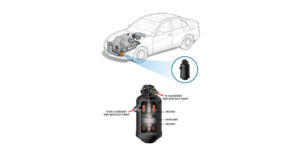 After researching EV technology and comparing different electric vehicle systems, I’ve noticed that the word accumulator often confuses.
Some manufacturers and engineering documents use the word interchangeably with battery pack, while in motorsports and technical standards, it has a very specific meaning.
What Is an Accumulator in an Electric Car?
Simply put, an accumulator is the energy storage system that stores electrical energy and supplies it to the electric motor when needed.
In most modern electric passenger cars, the accumulator is the high-voltage battery pack made up of hundreds or even thousands of individual rechargeable lithium-ion battery cells.
Think of it like this:
- The electric motor is the engine.
- The inverter is the transmission controller.
- The accumulator is the fuel tank, but instead of gasoline, it stores electricity.
Without the accumulator, an electric vehicle cannot move.
Why Is It Called an Accumulator?
The word accumulator comes from the idea of accumulating or storing electrical energy.
Historically, rechargeable batteries were often called accumulators because they accumulated electrical charge that could later be used.
Today:
- Engineers still use the term.
- Formula Student and Formula E competitions commonly use “accumulator.”
- Some European technical manuals use the word instead of battery pack.
For everyday drivers, however, “battery pack” is the more common term.
How Does an EV Accumulator Work?
The accumulator stores electricity as chemical energy. When you press the accelerator pedal:
- The battery pack releases electrical energy.
- The inverter converts DC electricity into AC electricity (for most EV motors).
- The electric motor receives power.
- The wheels begin turning.
When charging:
- Electricity flows from the charger.
- The battery cells store energy chemically.
- The Battery Management System (BMS) monitors charging safely.
Main Components of an Electric Car Accumulator
An accumulator is much more than a collection of battery cells. It typically includes:
Battery Cells
These store electrical energy. Modern EVs usually use:
- Lithium-ion cells
- Lithium Iron Phosphate (LFP)
- Nickel Manganese Cobalt (NMC)
Battery Modules
Cells are grouped into modules.
Modules make maintenance and manufacturing easier.
Battery Pack Housing
The housing protects the battery from:
- Water
- Dust
- Road debris
- Crash impacts
Battery Management System (BMS)
The BMS constantly monitors:
- Voltage
- Temperature
- Cell balance
- Charging speed
- Battery health
Cooling System
Heat is the enemy of battery life. Most modern EV accumulators use:
- Liquid cooling
- Air cooling (less common)
- Refrigerant-assisted cooling in premium models
Comparison Table: Accumulator vs Traditional Car Battery
| Feature | EV Accumulator | Traditional 12V Battery |
| Purpose | Powers the electric motor | Starts the gasoline engine |
| Voltage | 300–800V | 12V |
| Capacity | 40–120+ kWh | Around 0.5–1 kWh |
| Weight | 250–700 kg | 10–20 kg |
| Rechargeable | Yes | Yes |
| Lifespan | 10–20 years | 3–5 years |
| Cost | High | Low |
| Cooling System | Usually liquid-cooled | None |
Types of EV Accumulators
Different electric vehicles use different battery chemistries.
Lithium-Ion (NMC)
Advantages:
- High energy density
- Long driving range
- Fast charging
- Common in premium EVs
Disadvantages:
- Higher cost
- Sensitive to extreme temperatures
Lithium Iron Phosphate (LFP)
Advantages:
- Longer lifespan
- Excellent safety
- Lower cost
- Better thermal stability
Disadvantages:
- Slightly lower range
- Heavier for the same capacity
Solid-State Batteries (Future Technology)
Expected benefits include:
- Faster charging
- Higher energy density
- Better safety
- Longer lifespan
Although promising, solid-state batteries are still being introduced gradually and are not yet common in most consumer EVs.
How Big Is an EV Accumulator?
Battery sizes vary depending on the vehicle. Examples include:
- Small city EV: 30–45 kWh
- Compact crossover: 50–70 kWh
- Mid-size SUV: 70–90 kWh
- Luxury EV: 100–120+ kWh
Larger accumulators generally provide more driving range but also increase weight and cost.
How Long Does an EV Accumulator Last?
Modern electric vehicle accumulators are designed for longevity. Typical expectations include:
- 8–10-year manufacturer’s warranty
- 10–20-year potential service life
- 1,500–3,000 or more charge cycles depending on battery chemistry and usage
Battery degradation is gradual, and many EVs still retain a high percentage of their original capacity after many years of driving.
Signs an Accumulator Is Aging
As the battery pack ages, you may notice:
- Reduced driving range
- Slower charging
- Lower regenerative braking performance
- Higher energy consumption in cold weather
- Battery health reports showing reduced capacity
These changes usually occur slowly rather than suddenly.
What Affects Battery Life?
Several factors influence accumulator longevity:
Fast Charging Frequency
Occasional DC fast charging is generally fine, but relying on it exclusively may contribute to faster battery wear over many years.
Extreme Temperatures
Very hot or very cold climates can affect battery performance and aging. Many EVs use thermal management systems to reduce these effects.
Charging Habits
Keeping the battery between about 20% and 80% for routine use can help reduce long-term stress. Charging to 100% is useful before long trips when extra range is needed.
Storage
If storing an EV for an extended period, avoid leaving the battery completely full or completely empty.
Can an Accumulator Be Repaired?
In many cases, yes. Minor issues may involve:
- Replacing a faulty module
- Repairing the cooling system
- Updating battery management software
If the battery experiences severe damage or extensive degradation, replacing the entire pack may be necessary.
Is the Accumulator Safe?
Modern EV battery packs are designed with multiple safety features, including:
- Crash protection
- Waterproof enclosures
- Thermal management
- High-voltage isolation
- Automatic shutdown during severe impacts
- Continuous monitoring by the BMS
While no energy storage system is entirely risk-free, modern EV accumulators undergo extensive testing to meet strict safety standards.
How Much Does an EV Accumulator Cost?
Battery pack replacement costs vary widely depending on:
- Vehicle model
- Battery size
- Manufacturer
- Labor costs
- Availability of refurbished or remanufactured packs
As battery technology improves and production scales up, replacement costs have generally been trending downward over time.
My Personal Take
One thing that stands out about modern EV accumulators is how much engineering goes into protecting and managing them. Early concerns about battery lifespan have been eased by years of real-world data showing that many EVs retain most of their capacity after extensive use.
For most drivers, the accumulator isn’t something that requires frequent attention. Following sensible charging habits, avoiding unnecessary exposure to extreme conditions when possible, and keeping the vehicle’s software up to date can help maximize battery life.
Buyer’s Guide: Choosing an Electric Car Based on the Accumulator
If you’re shopping for an EV, don’t focus only on the advertised driving range. Consider the overall battery system and how it fits your needs.
1. Battery Capacity
A larger battery generally means more range but also increases the purchase price and weight. Choose a capacity that matches your typical driving habits.
2. Battery Chemistry
- LFP: Excellent for daily commuting, durability, and value.
- NMC: Better suited for drivers seeking maximum range and performance.
3. Warranty Coverage
Look for comprehensive battery warranties, which commonly cover around eight years or a specified mileage threshold.
4. Thermal Management
Liquid-cooled battery systems tend to perform better in demanding climates and during repeated fast charging.
5. Charging Speed
Consider both AC charging for home use and DC fast-charging capability for road trips.
6. Manufacturer Reputation
A manufacturer with a strong track record in battery management and software updates can provide added confidence over the long term.
Common Myths About EV Accumulators
Myth: EV batteries fail after only a few years.
Reality: Most are engineered to last well beyond their warranty period.
Myth: Fast charging instantly ruins the battery.
Reality: Frequent fast charging may contribute to additional wear over time, but occasional use is part of normal EV operation.
Myth: Cold weather permanently damages batteries.
Reality: Cold temperatures temporarily reduce performance and range, but batteries generally recover when warmed to normal operating temperatures.
Myth: The battery must always be charged to 100%.
Reality: For everyday driving, many manufacturers recommend partial charging to reduce long-term stress, reserving 100% charges for longer journeys when needed.
Read More: How To Read The Dipstick
FAQs: What Is An Accumulator In An Electric Car
What is an accumulator in an electric car?
An accumulator is the high-voltage rechargeable battery pack that stores electrical energy and powers the electric motor.
Is an accumulator the same as a battery?
In most modern electric cars, yes. The term “accumulator” is often used as another name for the rechargeable high-voltage battery pack.
How long does an EV accumulator last?
Most modern EV accumulators are designed to provide many years of service and are typically backed by warranties of around eight years.
Can you replace an EV accumulator?
Yes. Depending on the issue, individual modules or the complete battery pack can be repaired or replaced.
Does every electric car have an accumulator?
Yes. Every battery-electric vehicle requires an energy storage system, commonly called the accumulator or battery pack,k to operate.
What is the difference between an accumulator and a 12V battery?
The high-voltage accumulator powers the electric drivetrain, while the 12V battery operates accessories such as lighting, infotainment, and control systems.
Which battery chemistry is better: LFP or NMC?
LFP batteries generally offer longer cycle life and lower cost, while NMC batteries typically provide higher energy density and longer driving range.
Can an EV accumulator catch fire?
Although thermal incidents can occur under exceptional circumstances such as severe damage or manufacturing defects, modern EV battery packs include multiple layers of protection to minimize this risk.
Final Thoughts
The accumulator is the heart of every electric vehicle. It stores energy, delivers power to the motor, and largely determines an EV’s range, charging performance, and long-term ownership experience.
While the terminology can sound intimidating, in everyday use, an accumulator is simply the vehicle’s main rechargeable battery pack.
Understanding how it works and what affects its lifespan can help you choose the right EV and care for it effectively for years to come.