If you’ve ever driven a vehicle, you’ve almost certainly used a gear shifter. Whether it’s a traditional stick shift in a manual transmission or a sleek electronic selector in a modern automatic, this essential control allows you to change how power is delivered from the engine to the wheels.
But what is the gear shifter actually called? The answer depends on the type of vehicle and transmission. It may be referred to as a gear shifter, gear selector, shift lever, transmission shifter, selector lever, gear stick, or simply the shifter.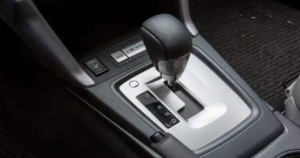 While these names are often used interchangeably, each has slightly different meanings depending on the transmission design. As someone who enjoys learning about automotive technology, I’ve always found it interesting how something so small plays such a major role in driving comfort and vehicle performance.
Whether you’re shopping for a new car, learning to drive, or simply curious about vehicle terminology, understanding the gear shifter is worthwhile.
Quick Answer
A gear shifter is the control that allows the driver to select gears in a vehicle’s transmission. Common names include:
- Gear Shifter
- Gear Selector
- Shift Lever
- Gear Stick
- Transmission Shifter
- Selector Lever
- Shift Knob (refers only to the handle)
Comparison Table: Common Names for a Car Gear Shifter
| Name | Common Usage | Transmission Type | Most Popular In |
| Gear Shifter | General term | Manual & Automatic | Worldwide |
| Gear Stick | Informal | Manual | UK & Europe |
| Shift Lever | Technical | Manual & Automatic | Repair manuals |
| Gear Selector | Modern term | Automatic | New vehicles |
| Selector Lever | Technical | Automatic | Service manuals |
| Transmission Shifter | Generic | Both | Automotive industry |
| Shift Knob | Handle only | Manual | Aftermarket accessories |
What Does a Gear Shifter Do?
The gear shifter tells the transmission which gear should be engaged. Its primary functions include:
- Selecting forward gears
- Choosing reverse
- Activating neutral
- Engaging park (automatic vehicles)
- Controlling vehicle speed efficiently
- Improving fuel economy
- Providing better acceleration
- Allowing safe hill climbing
Without a functioning shifter, changing gears would be impossible.
Types of Gear Shifters
Today’s vehicles use several different kinds of gear selectors.
1. Manual Gear Shifter
This is the classic stick shift. The driver manually changes gears while pressing the clutch pedal.
Pros
- More driving control
- Better engagement
- Often, lower repair costs
- Usually lighter
Cons
- Requires practice
- Not ideal in heavy traffic
2. Automatic Gear Selector
Most modern vehicles use automatic transmissions. The selector typically includes:
- P (Park)
- R (Reverse)
- N (Neutral)
- D (Drive)
- L or S (Low/Sport)
Advantages include:
- Easier driving
- Less fatigue
- Smooth operation
- Beginner-friendly
3. Electronic Shift-by-Wire
Many new cars no longer use a mechanical linkage. Instead, electronics communicate the driver’s selection to the transmission. Benefits include:
- Cleaner interior
- Faster shifting
- More cabin space
- Reduced mechanical wear
4. Rotary Gear Selector
Luxury brands increasingly replace traditional levers with rotating dials.
Advantages
- Modern appearance
- Compact design
- Easy operation
Disadvantages
- Takes time to get used to
- Less tactile feedback
5. Push Button Gear, Selector
Some manufacturers now use buttons instead of levers. Common in:
- Electric vehicles
- Luxury SUVs
- Premium sedans
Parts of a Gear Shifter
A typical gear shifter includes several components.
Shift Knob
The part your hand grips. Materials include:
- Leather
- Plastic
- Wood
- Aluminum
- Carbon fiber
Shift Boot
Usually found on manual transmissions. It covers the linkage while keeping dust out.
Shift Lever
The metal rod connecting the knob to the transmission mechanism.
Linkage or Cable
Transfers movement from the shifter to the transmission.
Shift Lock Mechanism
Found in automatic vehicles.
Prevents accidental gear changes.
Manual vs Automatic Gear Shifters
| Feature | Manual | Automatic |
| Clutch Required | Yes | No |
| Driver Control | High | Moderate |
| Ease of Use | Moderate | Very Easy |
| Fuel Economy | Sometimes Better | Excellent in modern cars |
| Learning Curve | Higher | Lower |
| Maintenance | Moderate | Higher transmission complexity |
Why Different Cars Use Different Gear Shifters
Automakers choose shifter designs based on:
- Interior styling
- Driver comfort
- Manufacturing cost
- Available cabin space
- Technology integration
- Safety requirements
- Brand identity
For example:
- Sports cars often retain manual shifters for driver engagement.
- Luxury vehicles may favor electronic selectors for a premium feel.
Electric vehicles often use simplified controls because they usually operate with a single-speed transmission.
Signs Your Gear Shifter May Have Problems
Watch for these warning signs.
Difficult to Shift
Possible causes:
- Worn linkage
- Low transmission fluid
- Clutch issues
Loose Shifter
Usually caused by worn bushings or linkage components.
Grinding Gears
More common in manual transmissions. Potential causes:
- Worn synchronizers
- Clutch problems
Won’t Shift into Park
Automatic transmissions may have:
- Shift lock failure
- Cable adjustment issues
- Brake switch problems
Gear Indicator Doesn’t Match Position
Electronic systems may require recalibration.
How Long Does a Gear Shifter Last?
The shifter itself often lasts the life of the vehicle. However, related parts wear over time. Typical lifespan:
- Shift knob: 5–15 years
- Shift boot: 5–10 years
- Shift cable: 100,000–200,000 miles
- Linkage bushings: 80,000–150,000 miles
Routine maintenance extends service life.
Can You Upgrade Your Gear Shifter?
Absolutely. Popular upgrades include:
- Leather shift knobs
- Weighted shift knobs
- Short throw shifters
- Carbon fiber trim
- Illuminated shift knobs
- Performance shift kits
These upgrades can improve both appearance and driving feel.
Buyer’s Guide: Choosing the Right Gear Shifter
If you’re considering replacing or upgrading your gear shifter, keep these factors in mind.
1. Vehicle Compatibility
Always ensure the part matches your vehicle’s make, model, year, and transmission type.
2. Material Quality
Popular materials include:
- Leather for comfort
- Aluminum for durability
- Carbon fiber for a sporty appearance
- Wood for a luxury feel
3. Weight
Weighted shift knobs can make manual gear changes feel smoother by adding momentum to each shift.
4. Comfort
Choose a design that fits comfortably in your hand, especially if you drive frequently.
5. Ease of Installation
Some shift knobs install in minutes, while complete shifter assemblies may require specialized tools.
6. Brand Reputation
Select products from reputable manufacturers with positive reviews and reliable warranties.
7. Budget
Prices generally fall into these ranges:
- Basic replacement knobs: $15–$40
- Premium knobs: $50–$150
- Short-throw shifters: $100–$400
- Complete assemblies: $300–$1,000+
Paying a bit more for quality can improve durability and driving satisfaction.
Common Misconceptions
“Gear stick” and “gear shifter” are different parts.
Not usually, they’re different names for the same control.
Automatic cars don’t have gear shifters.
They do. The design is simply different from a manual stick shift.
Electronic shifters are less reliable.
Modern shift-by-wire systems are generally dependable when properly maintained.
A weighted shift knob increases engine power.
It doesn’t add horsepower, but it can make shifting feel smoother and more precise.
Read More: Car AC Condenser Replacement Cost
FAQs: What Is The Gear Shifter Called In A Car
What is another name for a gear shifter?
Common alternatives include gear selector, shift lever, selector lever, transmission shifter, and gear stick.
Is a gear stick the same as a gear shifter?
Yes. “Gear stick” is simply a more common term in the UK and some other regions.
What is the handle on the gear shifter called?
The handle is called the shift knob.
Why do automatic cars have P, R, N, and D?
These letters represent:
- P = Park
- R = Reverse
- N = Neutral
- D = Drive
Each position controls a different operating mode of the transmission.
Can a gear shifter wear out?
The shifter itself rarely fails, but components such as bushings, cables, linkages, and shift knobs can wear over time.
What’s the difference between a manual and an automatic gear shifter?
A manual shifter requires the driver to operate a clutch pedal and select each gear, while an automatic selector allows the transmission to change gears automatically.
Can I replace my gear shifter myself?
Replacing a shift knob is usually a straightforward DIY task. Replacing the complete shifter assembly or linkage is more complex and may require professional installation.
Do electric cars have gear shifters?
Most electric vehicles still have a gear selector, but it typically offers only Park, Reverse, Neutral, and Drive because they generally use a single-speed transmission.
What causes a loose gear shifter?
A loose feel is often caused by worn bushings, damaged linkage, or a stretched shift cable.
Is upgrading to a short-throw shifter worth it?
For manual transmission enthusiasts, a short-throw shifter can provide quicker, more precise gear changes and a sportier driving experience.
Final Thoughts
The gear shifter, whether you call it a gear selector, shift lever, or gear stick,k is one of the most frequently used controls in any vehicle. Its purpose is simple: help the driver select the appropriate transmission gear safely and efficiently.
Modern cars offer a wide variety of shifter designs, from traditional manual sticks to rotary dials and electronic push-button systems. Each has its own strengths, and the best choice depends on your driving preferences, vehicle type, and desired level of control.
Understanding how your gear shifter works not only improves driving confidence but also helps you recognize early signs of wear, choose suitable upgrades, and make informed maintenance decisions.