If you’ve ever heard a car roaring down the street with an unusually loud exhaust note, chances are it had a damaged or missing muffler. While many drivers know the muffler is part of the exhaust system, few understand exactly what it does or why it’s so important.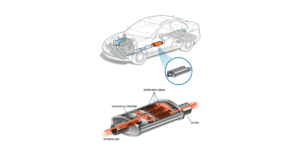 The muffler plays a critical role in reducing engine noise, improving driving comfort, and helping your vehicle comply with local noise regulations. Without a properly functioning muffler, your daily commute could sound more like a race track than a peaceful drive.
As someone who has owned and maintained several vehicles over the years, I’ve learned that the muffler is often overlooked until it starts causing problems. Whether you’re dealing with a loud exhaust, considering a replacement, or simply curious about how your car works, this guide covers everything you need to know.
What Is a Muffler on a Car?
A muffler is a component of a vehicle’s exhaust system designed to reduce the noise produced by the engine’s combustion process. When fuel burns inside the engine cylinders, it creates high-pressure exhaust gases.
These gases travel through the exhaust system and produce loud sound waves. The muffler’s job is to minimize these sound waves before they exit the tailpipe. Think of the muffler as a sophisticated sound-canceling device for your car.
Main Functions of a Muffler
- Reduces engine noise
- Directs exhaust gases safely away from passengers
- Helps maintain exhaust flow
- Improves driving comfort
- Ensures compliance with noise regulations
- Supports overall exhaust system performance
How a Muffler Fits Into the Exhaust System
The exhaust system generally consists of:
- Exhaust manifold
- Catalytic converter
- Resonator (on some vehicles)
- Muffler
- Tailpipe
Exhaust System Flow
| Component | Function |
| Exhaust Manifold | Collects gases from engine cylinders |
| Catalytic Converter | Reduces harmful emissions |
| Resonator | Fine-tunes exhaust sound |
| Muffler | Reduces exhaust noise |
| Tailpipe | Releases gases into the atmosphere |
How Does a Muffler Work?
The muffler uses a combination of chambers, tubes, and sound-absorbing materials to reduce noise. When exhaust gases enter the muffler:
- Sound waves bounce through internal chambers.
- Waves collide and cancel each other out.
- Certain frequencies are absorbed.
- Reduced-noise gases exit through the tailpipe.
This process is known as acoustic interference.
Simple Example
Imagine shouting in a large empty room versus speaking through a soundproof wall. The soundproof wall absorbs and redirects noise. A muffler works in a similar way to reduce the sound of your vehicle’s exhaust.
Components Inside a Muffler
Many drivers are surprised to learn how complex a muffler can be. Common internal components include:
Perforated Tubes
These allow exhaust gases to flow while dispersing sound waves.
Resonating Chambers
Internal chambers reflect sound waves and help cancel noise.
Baffles
Baffles redirect exhaust gases to reduce sound intensity.
Sound Absorption Material
Some mufflers use fiberglass or other materials to absorb sound energy.
Types of Car Mufflers
Not all mufflers are built the same. Here’s a comparison of the most common types.
Muffler Types Comparison Table
| Muffler Type | Noise Level | Performance | Best For | Cost |
| Chambered Muffler | Moderate | Good | Muscle cars | Medium |
| Turbo Muffler | Quiet | Good | Daily driving | Medium |
| Straight-Through Muffler | Loud | Excellent | Sports cars | High |
| Glasspack Muffler | Very Loud | High | Performance enthusiasts | Low-Medium |
| OEM Muffler | Very Quiet | Standard | Everyday drivers | Medium |
OEM vs Aftermarket Mufflers
When replacing a muffler, drivers typically choose between OEM and aftermarket options.
OEM vs Aftermarket Comparison
| Feature | OEM Muffler | Aftermarket Muffler |
| Noise Control | Excellent | Varies |
| Fitment | Perfect | Usually good |
| Performance Gain | Minimal | Possible |
| Cost | Higher | Varies |
| Warranty | Manufacturer-backed | Brand-dependent |
| Sound Customization | Limited | Extensive |
Why Is a Muffler Important?
Many people assume a muffler only reduces noise, but its role is much broader.
Comfort
A functioning muffler significantly reduces cabin noise.
Legal Compliance
Most regions have vehicle noise regulations.
Engine Efficiency
Proper exhaust flow helps maintain engine performance.
Environmental Benefits
Although emissions control primarily comes from the catalytic converter, a healthy exhaust system contributes to efficient operation.
Signs of a Bad Muffler
Over time, mufflers wear out due to heat, moisture, road salt, and corrosion. Watch for these warning signs.
1. Excessive Exhaust Noise
This is often the first symptom.
A damaged muffler can make the vehicle noticeably louder.
2. Rattling Sounds
Loose internal components may rattle when driving.
3. Reduced Fuel Economy
Exhaust restrictions can impact engine efficiency.
4. Rust and Corrosion
Visible rust may indicate structural weakness.
5. Exhaust Odors
Leaks can allow gases to escape before reaching the tailpipe.
6. Vibrations
Damaged mounting brackets can cause unusual vibrations.
What Causes Muffler Failure?
Several factors contribute to muffler deterioration.
Rust
Water condensation inside the exhaust system accelerates corrosion.
Road Salt
Winter driving significantly increases rust formation.
Physical Damage
Speed bumps, debris, and potholes can damage the muffler housing.
Age
Most mufflers eventually wear out after years of exposure to extreme temperatures.
How Long Does a Muffler Last?
Muffler lifespan varies considerably.
| Driving Condition | Expected Lifespan |
| Dry Climate | 8–15 Years |
| Moderate Conditions | 5–10 Years |
| Heavy Snow/Salt Exposure | 3–7 Years |
Many modern vehicles can exceed these estimates with proper maintenance.
Can You Drive With a Bad Muffler?
Technically, yes. However, it is not recommended. Potential issues include:
- Increased noise
- Reduced fuel efficiency
- Exhaust leaks
- Failed vehicle inspections
- Exposure to harmful gases
Small problems often become larger and more expensive if ignored.
Muffler Repair vs Replacement
Not every muffler issue requires a full replacement.
When Repair Makes Sense
- Minor holes
- Small leaks
- Loose clamps
- Damaged hangers
When Replacement Is Better
- Severe rust
- Internal damage
- Multiple leaks
- Collapsed chambers
Average Muffler Replacement Cost
Costs vary depending on vehicle type and location.
| Vehicle Type | Estimated Cost |
| Compact Car | $150–$400 |
| Sedan | $200–$600 |
| SUV | $250–$800 |
| Luxury Vehicle | $500–$2,000+ |
| Performance Car | $700–$3,000+ |
Labor and parts quality significantly affect pricing.
Benefits of Upgrading Your Muffler
Some drivers replace their mufflers for reasons beyond repair. Potential benefits include:
Improved Exhaust Sound
Performance mufflers often create a deeper, sportier tone.
Weight Reduction
Certain aftermarket options weigh less than factory units.
Better Exhaust Flow
Reduced restriction may improve performance.
Enhanced Appearance
Polished tips and custom designs can improve vehicle aesthetics.
Buyer’s Guide: Choosing the Right Muffler
Selecting the right muffler requires balancing performance, sound, durability, and budget.
1. Determine Your Goal
Ask yourself:
- Do you want a quieter ride?
- More performance?
- A sportier exhaust note?
Your answer determines the ideal muffler type.
2. Check Vehicle Compatibility
Always verify:
- Vehicle make
- Model
- Engine size
- Year
Compatibility is essential for proper installation.
3. Consider Material Quality
Aluminized Steel
- Affordable
- Good durability
- Suitable for most drivers
Stainless Steel
- Superior corrosion resistance
- Longer lifespan
- Higher cost
4. Evaluate Sound Preferences
Different mufflers produce different sounds.
Choose carefully if cabin comfort matters.
5. Consider Local Regulations
Some performance mufflers may exceed legal noise limits.
Always check local laws before purchasing.
6. Review Warranty Coverage
A strong warranty often reflects better manufacturing quality.
7. Compare Total Cost
Factor in:
- Purchase price
- Installation labor
- Expected lifespan
- Maintenance requirements
The cheapest option isn’t always the most economical long-term choice.
My Personal Experience With Muffler Replacement
One of my older vehicles developed a noticeable rumbling sound during acceleration. Initially, I assumed it was simply engine noise associated with age.
After inspection, I discovered a rust hole in the muffler. Replacing it immediately transformed the driving experience. The cabin became quieter, vibrations disappeared, and highway driving was far more comfortable.
The experience reinforced how much of a difference a healthy muffler makes, even when the vehicle seems to run normally.
Muffler Maintenance Tips
Extend muffler life with these practices:
Wash Undercarriage Regularly
Remove salt and debris buildup.
Address Rust Early
Small rust spots are easier to manage.
Fix Exhaust Leaks Promptly
Prevent damage from spreading.
Inspect Hangers
Loose supports place additional stress on the muffler.
Avoid Deep Water
Repeated water exposure accelerates corrosion.
Common Muffler Myths
Myth 1: Removing the Muffler Adds Huge Horsepower
Reality: Gains are usually minimal on stock vehicles.
Myth 2: Louder Means Faster
Reality: Noise doesn’t necessarily equal performance.
Myth 3: Mufflers Last Forever
Reality: Heat, moisture, and corrosion eventually cause wear.
Myth 4: Every Rattle Means Muffler Failure
Reality: Heat shields and hangers can also create rattling noises.
Read More: What Is A Map Sensor On A Car
FAQs: What Is The Muffler On A Car
What is the purpose of a muffler on a car?
A muffler reduces engine and exhaust noise by using chambers and sound-canceling technology to quiet exhaust gases before they exit the tailpipe.
Can a car run without a muffler?
Yes, but it will be much louder and may violate local noise regulations. Exhaust fumes may also become a concern if leaks are present.
Does a muffler affect fuel economy?
A damaged or clogged muffler can reduce engine efficiency and potentially lower fuel economy.
How much does it cost to replace a muffler?
Most replacements cost between $150 and $800, though luxury and performance vehicles can exceed $2,000.
How do I know if my muffler is bad?
Common symptoms include loud exhaust noise, rattling sounds, rust, vibrations, and exhaust odors.
How often should a muffler be replaced?
Many mufflers last between 5 and 15 years, depending on climate, road conditions, and maintenance practices.
Does a performance muffler increase horsepower?
Some performance mufflers can improve exhaust flow and provide modest horsepower gains, though results vary by vehicle.
Can a muffler leak be repaired?
Small leaks and holes can sometimes be repaired, but extensive rust or internal damage usually requires replacement.
What material is best for a muffler?
Stainless steel generally offers the best durability and corrosion resistance, while aluminized steel provides a more budget-friendly option.
Is a muffler the same as a catalytic converter?
No. The catalytic converter reduces harmful emissions, while the muffler primarily reduces exhaust noise.
Conclusion
The muffler is one of the most important yet overlooked components of a vehicle’s exhaust system. Its primary role is to reduce engine noise, but it also contributes to comfort, legal compliance, and overall driving enjoyment.
Whether you’re maintaining your factory exhaust setup or considering an aftermarket upgrade, understanding how mufflers work can help you make smarter decisions.
Regular inspections, prompt repairs, and choosing the right replacement can keep your vehicle running quietly and efficiently for years. A healthy muffler doesn’t just make your car sound better; it makes the entire driving experience better.