Nothing ruins a peaceful drive faster than a loud squealing noise when you switch on your car’s air conditioner. The first time I experienced it, I honestly thought something major had failed under the hood.
Every time I started the engine or turned the AC on, a sharp screech echoed through the parking lot. Embarrassing? Absolutely. Expensive? Thankfully, not immediately. A squealing AC belt is one of the most common automotive noises drivers face.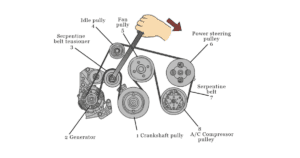 Sometimes it’s harmless and easy to fix. Other times, it’s the first warning sign of a worn serpentine belt, failing pulley, weak tensioner, or even a dying AC compressor. In this complete guide, I’ll explain:
- Why does your car’s AC belt squeal
- The most common causes
- How serious the problem is
- DIY fixes that actually help
- Repair costs
- Whether belt dressing works
- Signs you should never ignore
- A full buyer’s guide for replacement parts
- FAQs most drivers ask
This article is written in a casual, practical style so even beginners can understand it easily.
What Is the Car AC Belt?
Before diving into the squealing problem, it helps to understand what the AC belt actually does.
Most modern vehicles use a serpentine belt that powers several engine accessories, including:
- AC compressor
- Alternator
- Power steering pump
- Water pump
- Cooling fan
When you turn on the AC, the compressor engages and adds extra load to the belt system. If the belt is loose, worn, glazed, or contaminated, it may slip across the pulley surface and create that horrible squealing sound.
Common Symptoms of AC Belt Squealing
Here are the most common warning signs drivers notice:
- High-pitched squealing noise
- Noise gets louder when the AC turns on
- Squeal during cold startup
- Chirping or screeching during acceleration
- Burning rubber smell
- Weak AC performance
- Visible belt cracking
- Belt vibration
In my case, the squealing was worst during rainy mornings and almost disappeared after the engine warmed up. That’s a classic symptom of a worn serpentine belt.
Main Causes of Car AC Belt Squealing
Let’s break down the most common causes.
1. Worn-Out Serpentine Belt
This is the number one reason. Over time, rubber belts become:
- Hard
- Cracked
- Glazed
- Brittle
Once the surface loses grip, the belt slips against the pulley.
Signs of a worn belt:
- Cracks
- Frayed edges
- Shiny surface
- Loose fit
- Squealing during startup
My Experience
I ignored the squeal for nearly two months. Eventually, I inspected the belt and noticed tiny cracks everywhere. Replacing it solved the issue instantly.
2. Loose Belt Tension
A loose belt cannot maintain proper friction.
Modern vehicles use automatic belt tensioners, but they can weaken over time.
Symptoms:
- Intermittent squeal
- Noise during acceleration
- Belt wobbling
If the tensioner spring weakens, the belt slips more when the AC compressor engages.
3. Bad AC Compressor
Sometimes the compressor itself causes extra resistance. When the compressor clutch starts failing:
- Belt load increases
- Pulley drags
- Squealing begins
Warning Signs: The
- AC blows warm air
- Clicking sounds
- Compressor vibration
- Smoke or burning smell
This is one of the more expensive causes.
4. Pulley Problems
A bad pulley bearing can create:
- Chirping
- Squealing
- Grinding noises
The idler pulley and tensioner pulley are common failure points.
How to Identify It
If the noise changes with engine RPM, a pulley may be failing.
5. Moisture or Water on the Belt
This is extremely common during:
- Rain
- Car washes
- Humid mornings
Water temporarily reduces the traction between the belt and pulleys. Usually harmless if the squeal disappears quickly.
6. Oil or Coolant Contamination
Leaking fluids can coat the belt surface. Common leaks:
- Valve cover gasket
- Power steering fluid
- Coolant leaks
Fluid contamination destroys the belt grip and causes constant squealing.
Comparison Table: Common Causes of AC Belt Squealing
| Cause | Noise Type | Repair Difficulty | Estimated Cost | Seriousness |
| Worn Serpentine Belt | Squeal/Screech | Easy | $40–$150 | Moderate |
| Loose Belt Tensioner | Chirp/Squeal | Medium | $80–$250 | Moderate |
| Bad AC Compressor | Loud Squeal | Hard | $400–$1200 | Serious |
| Bad Pulley Bearing | Chirping | Medium | $70–$300 | Moderate |
| Water on the Belt | Temporary Squeal | None | Free | Low |
| Oil Contamination | Constant Squeal | Medium | $100–$500 | Serious |
Is It Safe to Drive With a Squealing AC Belt?
This depends on the cause.
Usually Safe (Short-Term)
If:
- Noise is mild
- The belt looks okay
- Squeal disappears quickly
You can usually drive temporarily.
Dangerous Situations
Do NOT ignore the issue if:
- A burning smell appears
- Battery warning light turns on
- Steering becomes heavy
- Engine overheats
- The belt looks damaged
A broken serpentine belt can disable:
- Alternator
- Water pump
- Power steering
- AC system
That can leave you stranded very quickly.
How Mechanics Diagnose Belt Squeal
A good mechanic usually checks:
- Belt condition
- Belt tension
- Pulley alignment
- AC compressor operation
- Fluid contamination
- Bearing noise
Some use a spray bottle test. If water temporarily stops the squeal, the belt is likely slipping.
DIY Fixes for Car AC Belt Squealing
Here are the fixes that actually helped me.
1. Replace the Belt
This is often the best solution.
Pros:
- Cheap
- Effective
- Long-lasting
Cons:
- Requires basic tools
Most belts last:
- 50,000–100,000 miles
2. Clean the Pulleys
Dirty pulleys reduce grip.
Use:
- Brake cleaner
- Clean rag
Avoid harsh chemicals on rubber.
3. Check Belt Alignment
Misaligned pulleys destroy belts quickly. If the belt tracks sideways, inspect:
- Tensioner
- Pulley mounts
- Compressor alignment
4. Replace the Tensioner
A weak tensioner often causes a recurring squeal.
This fix completely solved my friend’s Honda Accord issue after two failed belt replacements.
5. Fix Fluid Leaks
Never ignore oil leaks near the belt.
Oil contamination permanently damages rubber.
Does Belt Dressing Work?
Short answer: only temporarily.
Belt dressing spray may:
- Reduce noise briefly
- Improve grip temporarily
But it does NOT solve:
- Cracks
- Weak tension
- Bad pulleys
- Compressor issues
Many mechanics actually avoid belt dressing because it can hide the real problem.
Cold Weather and AC Belt Noise
Cold weather stiffens rubber belts.
That’s why squealing often happens:
- Early morning
- Winter starts
- Damp weather
If the noise disappears after warming up, the belt may simply be aging.
Still worth inspecting.
How Much Does It Cost to Fix an AC Belt Squealing?
Average Repair Costs
| Repair | Parts Cost | Labor Cost | Total |
| Serpentine Belt Replacement | $25–$80 | $40–$100 | $65–$180 |
| Belt Tensioner | $50–$180 | $60–$120 | $110–$300 |
| Idler Pulley | $30–$90 | $50–$120 | $80–$210 |
| AC Compressor Replacement | $300–$900 | $200–$500 | $500–$1400 |
| Leak Repair | $50–$300 | $50–$200 | $100–$500 |
My Personal Experience With AC Belt Squealing
A few years ago, my sedan started squealing every morning.
At first:
- Noise lasted 10 seconds
- Only happened during startup
- AC made it worse
I ignored it.
Bad idea.
After a few weeks:
- Noise became constant
- Steering felt heavy once
- The battery light flickered briefly
The belt eventually slipped badly in the rain.
The fix?
- New serpentine belt
- New tensioner pulley
Total cost:
Around $140.
Had I waited longer, the belt could have snapped and caused overheating.
Signs Your Belt Needs Immediate Replacement
Replace the belt immediately if you notice:
- Deep cracks
- Frayed edges
- Missing rib sections
- Glazing
- Burning smell
- Severe squealing
- Visible wobbling
These signs mean failure could happen soon.
Best Belt Brands to Consider
Quality matters.
Cheap belts often:
- Stretch quickly
- Squeal sooner
- Wear unevenly
Recommended Brands
Gates
Known for:
- Excellent durability
- OEM-quality fit
- Quiet operation
Continental
Very popular in European vehicles.
Dayco
Budget-friendly but reliable.
Bando
Often used by Japanese automakers.
Buyer’s Guide: Choosing the Right Replacement Belt
Buying the wrong belt causes endless frustration.
Here’s what to check.
1. Vehicle Compatibility
Always match:
- Year
- Make
- Model
- Engine size
Even slight differences matter.
2. Belt Material
EPDM Rubber
Best modern option.
Benefits:
- Longer lifespan
- Better heat resistance
- Reduced noise
3. OEM vs Aftermarket
OEM Belts
- Perfect fit
- Higher price
Aftermarket Belts
- Cheaper
- Quality varies
Premium aftermarket brands are usually fine.
4. Warranty
Look for:
- 1–3 year warranty
- Reputable manufacturer
Cheap, no-name belts rarely last.
5. Complete Kit or Single Belt
Sometimes it’s smarter to replace:
- Belt
- Tensioner
- Idler pulley
all together.
Especially above 80,000 miles.
Can You Replace a Serpentine Belt Yourself?
Yes, many DIYers can.
Basic Tools Needed:
- Ratchet
- Socket set
- Belt routing diagram
Difficulty:
Moderate
Time:
30–90 minutes
YouTube tutorials help tremendously.
How Long Does a Serpentine Belt Last?
Average lifespan:
- 60,000–100,000 miles
Factors affecting lifespan:
- Heat
- Driving conditions
- Oil contamination
- Cheap belt quality
Hot climates shorten lifespan significantly.
What Happens If the Belt Breaks?
A snapped serpentine belt can cause:
- Loss of AC
- Dead battery
- Overheating
- Heavy steering
- Engine stalling
Some vehicles can overheat within minutes. Never ignore major belt noise.
Can Low Refrigerant Cause Belt Squeal?
Indirectly, yes.
Low refrigerant can stress the AC compressor.
That extra resistance may increase belt slipping.
But low refrigerant alone is rarely the direct cause.
Why Does the Squeal Only Happen When AC Is On?
Because the compressor clutch engages.
That adds load to the belt system.
If the belt is weak or loose, the added resistance triggers squealing instantly.
Preventing Future Belt Squealing
Here’s what helped me avoid future problems.
Regular Inspections
Check belts every oil change.
Fix Leaks Quickly
Oil destroys rubber fast.
Replace Old Pulleys
Old bearings wear belts unevenly.
Avoid Cheap Parts
Premium belts last much longer.
Listen Early
Small noises become expensive repairs later.
AC Belt Squealing vs Other Engine Noises
Belt Squeal
- High-pitched
- Sharp
- Changes with RPM
Bearing Grind
- Rough metallic sound
Engine Knock
- Deep tapping
Exhaust Leak
- Puffing noise
Knowing the difference helps avoid misdiagnosis.
Is the Problem Worse in Older Cars?
Usually yes.
Older vehicles often have:
- Weaker tensioners
- Aging bearings
- Cracked belts
- Misaligned pulleys
Mileage and heat gradually wear the system down.
When to See a Mechanic Immediately
Go to a mechanic ASAP if:
- Squeal becomes constant
- Smoke appears
- The belt shakes violently
- AC stops cooling
- The battery light appears
- Steering feels heavy
These signs may indicate imminent failure.
Read More: How To Test Fuel Rail Pressure Sensor With Multimeter
FAQs: Car AC Belt Squealing: Causes, Fixes, Costs
Why does my car squeal when I turn the AC on?
Usually, the serpentine belt slips under the added load of the AC compressor.
Can I spray WD-40 on a squealing belt?
No. WD-40 can damage rubber and worsen slipping.
How much does it cost to fix a squealing AC belt?
Typical repairs range from $70 to $300 unless the AC compressor is failing.
Is a squealing belt dangerous?
It can become dangerous if the belt breaks while driving.
Can cold weather cause belt squeal?
Yes. Cold temperatures stiffen aging rubber belts.
How long can I drive with a squealing belt?
Short-term driving may be okay, but prolonged driving risks belt failure.
Should I replace the tensioner with the belt?
If mileage is high, replacing both together is often smart.
Does belt dressing permanently fix squealing?
No. It only masks symptoms temporarily.
Why does the squeal disappear after a few minutes?
Heat softens the belt and improves grip temporarily.
Can a bad alternator cause a belt squeal?
Yes. A failing alternator bearing can increase resistance and cause slipping.
How do I know if my AC compressor is bad?
Signs include:
- Warm AC air
- Loud noises
- Compressor seizure
- Burning smell
What does a bad pulley sound like?
Usually, a chirping or grinding noise rather than pure squealing.
Can I replace a serpentine belt myself?
Yes, many DIYers can replace it with basic tools.
How often should belts be inspected?
Ideally, during every oil change.
What is the most common reason for belt squealing?
Normal belt wear and reduced tension are the most common causes.
Final Verdict
Car AC belt squealing is one of those problems drivers love to ignore until it becomes impossible to ignore. The good news? Most cases are relatively inexpensive to fix if caught early.
The bad news? Waiting too long can lead to:
- Broken belts
- Overheating
- Dead batteries
- Expensive compressor damage
From my own experience, the smartest move is simple: Inspect the belt immediately when squealing starts. A $50 belt replacement today can prevent a $1000 repair tomorrow.