The first time I heard a strange clunk coming from under my car, I assumed it was something major, maybe the suspension or even the engine.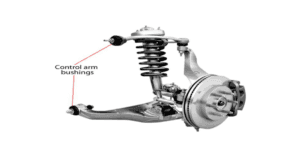 Turns out, it was something much smaller (and cheaper): worn-out bushings. If you’ve never heard of bushings, you’re not alone. They’re one of those hidden components that quietly do their job until they don’t.
And when they fail, you feel it everywhere: rough rides, noise, loose handling. So what exactly are car bushings, and why do they matter so much? Let’s break it down in a simple, real-world way.
What Are Bushings on a Car?
Bushings are small, flexible components usually made of rubber, polyurethane, or sometimes metal that sit between two parts of your car to reduce friction, absorb vibration, and cushion movement.
Think of them as tiny shock absorbers placed throughout your car.
Where Are They Found?
Bushings are used in multiple parts of your vehicle, including:
- Suspension system (control arms, sway bars)
- Steering components
- Engine mounts
- Transmission mounts
Anywhere two metal parts meet and move, there’s likely a bushing in between.
What Do Bushings Actually Do?
From my experience, bushings are the reason your car feels smooth instead of shaky. Here’s what they handle:
1. Vibration Control
They absorb road vibrations so you don’t feel every bump.
2. Noise Reduction
They prevent metal-on-metal contact, eliminating clunks and squeaks.
3. Stability & Alignment
They help keep suspension components properly aligned.
4. Comfort
Without bushings, your ride would feel harsh and uncomfortable.
My Real Experience With Bad Bushings
When my bushings started wearing out, I noticed:
- A clunking sound over bumps
- Steering felt slightly loose
- The car didn’t feel as stable at higher speeds
- Tires started wearing unevenly
At first, I ignored it. Big mistake. Eventually, the ride got rough enough that I had to replace them, and the difference was night and day. Smooth, quiet, and controlled again.
Types of Car Bushings
1. Suspension Bushings
- Found in control arms and suspension joints
- Handle most of the road impact
2. Sway Bar Bushings
- Help stabilize your car during turns
- Reduce body roll
3. Engine & Transmission Bushings
- Reduce engine vibration
- Keep drivetrain components stable
4. Shock Absorber Bushings
- Cushion the mounting points of shocks
Rubber vs Polyurethane Bushings: Comparison Table
| Feature | Rubber Bushings ✅ | Polyurethane Bushings ⚡ |
| Comfort | Very smooth | Slightly firmer |
| Noise | Quiet | Can be a bit noisy |
| Durability | Moderate | High |
| Performance | Standard driving | Better handling |
| Cost | Cheaper | More expensive |
| Maintenance | Low | Medium |
| Best For | Daily driving | Performance enthusiasts |
Signs Your Bushings Are Worn Out
If you’re wondering whether your bushings need attention, look for these signs:
- Clunking or knocking noises
- Vibrations in the steering wheel
- Uneven tire wear
- Loose or unstable handling
- Squeaking when driving over bumps
What Happens If You Ignore Bad Bushings?
I learned this the hard way: Ignoring bushings can lead to:
- Faster wear on suspension parts
- Poor alignment
- Reduced control while driving
- Increased repair costs later
They’re small parts, but they protect bigger (expensive) components.
Cost of Replacing Bushings
Here’s a general cost breakdown:
| Service Type | Average Cost (USD) |
| Individual Bushing | $20 – $80 |
| Labor (per component) | $100 – $300 |
| Full Suspension Bushings | $500 – $1,500+ |
Tip: Labor is often the highest cost because bushings can be hard to access.
Can You Drive With Bad Bushings?
Technically, yes, but you shouldn’t for long. From experience:
- Short drives = usually okay
- Long-term driving = risky
Bad bushings affect control, and that’s not something you want to compromise.
Buyer’s Guide: Choosing the Right Bushings
If you’re replacing bushings, here’s how to choose the right ones:
1. Material Matters
- Rubber: Best for comfort and daily driving
- Polyurethane: Best for performance and durability
2. Driving Style
- Daily commuter → Stick with rubber
- Sporty driving → Go polyurethane
3. Vehicle Type
- SUVs/trucks → Stronger bushings preferred
- Sedans → Comfort-focused options
4. Budget
- Rubber = budget-friendly
- Polyurethane = long-term investment
5. Installation Difficulty
Some bushings require special tools. Consider professional installation if unsure.
How Long Do Bushings Last?
On average:
- Rubber bushings: 50,000 – 100,000 miles
- Polyurethane bushings: 80,000 – 150,000+ miles
Driving conditions (bad roads, heat, moisture) can shorten lifespan.
Rubber vs Polyurethane: Which Should You Choose?
From my experience:
- If you want comfort and quiet → go rubber
- If you want handling and durability → go polyurethane
For most drivers, rubber bushings are perfectly fine.
Read More: Car Accumulator Definition
FAQs: What Are The Bushings On A Car
1. Are bushings important in a car?
Yes, they are crucial for comfort, stability, and noise reduction.
2. Can bad bushings cause vibration?
Absolutely. Worn bushings are a common cause of vibration.
3. How do I know which bushings are bad?
A mechanic inspection is best, but noise and loose handling are key signs.
4. Is it expensive to replace bushings?
Parts are cheap, but labor can be costly depending on location.
5. Can I replace bushings myself?
Possible for some parts, but many require special tools.
6. Do bushings affect alignment?
Yes, worn bushings can throw off alignment and cause uneven tire wear.
7. Are polyurethane bushings better than rubber?
They’re more durable and improve handling, but less comfortable.
My Final Verdict
Bushings are one of the most underrated parts of a car. You don’t notice them when they’re working, but you definitely notice when they fail.
If your car feels rough, noisy, or unstable, don’t ignore it. Replacing bushings is one of the most cost-effective ways to restore ride quality and handling.