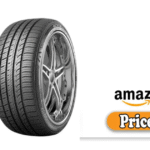
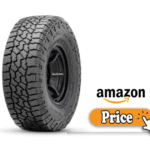
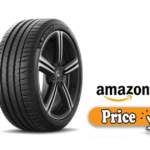
There comes a moment when your car’s tires have seen better days, maybe you’re hearing more road noise, noticing less grip, or simply realize you haven’t replaced them in too long.
That moment hit me this spring, and the deal-hunting began. I’d been on the lookout for a solid value, good performance, and reliability without breaking the bank. That’s how I landed on Firestone, during a sale.
Now, I won’t pretend I’m a professional tire engineer, but after several months of driving with these tires, I feel I’ve got enough real-world mileage (highways, suburban roads, some rain) to break down what worked, what didn’t, and whether I’d buy them again.

What I Like
1. Value for the Price
One of the biggest pluses: I found a Firestone set during a sale that brought the cost quite down compared to premium brands. For drivers like me who don’t race the car every day but do depend on it for commuting, errands, and road trips, that value matters.
Often, “on sale” means you can get a newer tire for the same budget that you were paying, so the idea of “Firestone Tires On Sale” appealed.
2. Decent All-Season Performance
I live in a region where we get a mix: mostly dry or wet roads, occasional rain, and minimal snow. The Firestones held up well in wet conditions: the car felt stable, no sudden sliding, and braking felt predictable.
This matches customer feedback I found online, where reviewers say they’re “quiet, smooth, good traction.”
3. Quiet & Comfortable Ride
For the type of driving I do (commute + weekend drives), the tires did a good job of keeping things comfortable. Road noise was acceptable (not silent like the ultra-premium tires, but in the “fine” category). The ride felt reasonably smooth, no major jolts or weird humming from the tires.
4. Easy Availability & Promotions
Because it’s a well-known brand, I found deals, promotions, multiple vendors, plus a good selection of sizes.
If you’re hunting for a sale-price set, Firestone tends to pop up in the “discount/clearance/new model year” rotations.
5. Good for Daily Driving
If your driving is mostly around town, occasional highway, standard passenger car / light SUV, these tires make sense. They fulfill the everyday driver role well without being overkill.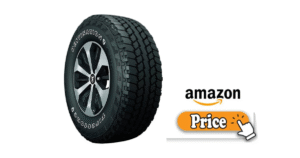 👉🏿👉🏻 Check The Latest Price and Offer at Amazon 👈🏻👈🏿
What Could Be Better
1. Not Top of the Line in Performance
While they perform well for normal driving, if you’re after the absolute best in cornering grip, ultra-wet conditions, and aggressive driving, then you’ll see the gap. As one user on Reddit put it:
“My Indy500s are awesome… only tires that are better would be Pilot Sports at a much higher price.”
That line of theirs (Indy 500 performance) got reviews, but that also suggests you pay for that top tier. So, if your usage is heavy performance or racing, there are better premium options.
2. Mixed Historical Reputation
Worth noting: Firestone has had some serious issues in its history. The infamous Ford/Firestone tire recall of the early 2000s is still part of the brand’s legacy.
Some of this pertains to older models / specific conditions, but it’s a reminder to check the specific model of Firestone tire you’re buying, and ensure you’re getting the latest version.
3. Some Reports of Less Longevity in Specific Models
A few owner reviews point to premature wear on some Firestone models. For example:
“Pulled off Firestone All Seasons … had 30-40k on them. Probably could’ve got 10k more, but the wet traction was terrible, really hardened it seems.”
So if your driving is heavy mileage or you demand long tread life, you might want to check the specific model’s treadwear warranty and user reports.
4. Sale Price Doesn’t Always Mean Top Tier Model
When a tire is “on sale,” sometimes the model you’re getting is older, less premium, or has fewer performance features than the top model in the Firestone lineup.
You’ll want to check the model name, tread warranty, and comparison to other brands, not just the “sale” label.
My Personal Experience
Let me dive into how these tires fit into my world, what I did, what I noticed, and how it all played out.
Driving Profile
- Car: A mid-sized sedan, used for daily commute (about 25 miles round trip), weekend outings, and occasional longer road trips (200-300 miles).
- Roads: Mixture of suburban streets, some highways, occasional rain, minimal snow.
- Purchased: The deal came around early spring, just before a planned road trip.
- Tire Model: I picked a Firestone All-Season (exact model version) during a sale event.
- Initial Impressions: Installation went smoothly; the shop handled mounting, balancing, and alignment. The price was better than many “premium brand” options at the time.
First 30-Days
Driving around town was comfortable. The tires felt stable. Road noise was mode, rate nothing extraordinary, but comfortable enough.
On rainy days, the car did not feel slippery; braking distance in real-world conditions seemed fine I don’t have scientific test results). I noticed sla ightly softer ride than my prior tires, which I liked less harsh over bumps.
After ~3,000-5,000 Miles
On a weekend road trip, I was impressed: highway speeds, longer continuous run, and the tires held up nicely. I didn’t feel any unusual vibration or drift.
The tread felt solid. No weird sensations. Fuel economy remained about the same as before, which is good (tires can affect rolling resistance).
After ~10,000-15,000 Miles
Normal wear is happening (as expected). I am monitoring tread depth and wear pattern. So far, wear is even, no major cupping or edge-wear, thanks in part to doing alignments/rotations.
The wet performance remains acceptable, but I’ve noticed in very heavy downpour conditions, the hydroplaning threshold might not be as high as I’d hope when pushing the car. But for everyday driving, still very acceptable.
Overall Impression
At this point, I’d say that the experience has been very positive for what I use the car for. The value is strong, the performance is solid for regular driving, and the comfort level goes on. Would there be better tires? Yes, but they cost more. Given the sale price and what I got, I feel I made a smart choice.
If anything, my caution would be: if you drive aggressively, in harsh conditions (heavy snow, ice, lots of high-speed cornering), or expect ultra-long life (60k+ miles), you might want to spend more. But for 90 %+ of drivers, this hits the sweet spot.
Design
Let’s talk design of hat Firestone is doing with their tires, how that influences how they feel, perform, and wear.
Tread & Compound
Firestone designs their all-season models (and off-road/all-terrain models) with features that aim to balance cost, grip, longevity, and comfort. For example, their “All Season” line is described as designed for “wet, dry, and snowy conditions.”
The tread pattern is typically optimized for everyday driving: channeling water to help prevent hydroplaning, moderate siping for wet grip, and relatively stable shoulders for even wear. The rubber compound balances durability with reasonable grip.
Sidewall & Noise Considerations
You’ll see on many Firestone models (especially budget/medium tier) that while they’ve improved noise and comfort, they might not be at the “ultra-quiet” level of top luxury tires. That said, in my experience, he ride was comfortable and the noise was manageable.
If noise is ultra-critical for you (e.g., luxury sedan, ultra-premium ride), you may want to look at their higher-tier models or other brands.
Warranty & Lifespan
Firestone lists mileage warranties on many of their models, e.g., a 55,000-65,000-mile warranty on some of their All-Season tires.
That gives some peace of mind against early wear. But always check the exact model you’re buying, there can be big differences between models.
Model Variations
Firestone’s lineup is broad: from all-season touring to performance summer, to all-terrain for trucks/SUVs. For example, the “Destination LE3/AT2” trucks and off-road use.
The key is: model matters. A Firestone “touring” version and a Firestone “performance” version will perform differently and are priced differently.
In Summary on Design
- Balanced for everyday driving.
- Not ultra-premium performance, but solid.
- Tread design and compound aim for versatility (wet/dry).
- Warranty is there – check your specific model.
- Sales often seal on certain models; make sure you know which one you’re getting.
Performance
Now, let’s dig into how these tires perform in real driving conditions and how that aligns with my experience.
Dry Road
On dry pavement, the Firestone tires felt confident. Starting, accelerating, changing lanes, and merging onto highways all were handled with no surprises.
Steering feel was acceptable, not hyper-sharp as in sporty performance tires, but responsive for daily driving. Braking felt secure.
Wet Conditions
This is where many drivers worry (and rightly so). In moderately wet roads (rain, puddles, highways after rain), the tires held their own. I felt safe, no noticeable slipping, and the car remained predictable. That matches many reviews: for example, Mavis reports these tires as providing “a smoother, quieter ride” and good everyday traction.
Hover: n very heavy standing water, or when aggressively cornering/accelerating in the wet, I did notice the grip limit come earlier than some premium tires. One review of the Destination A/T noted: “They do hydroplane quite a bit in deep puddles.” So: good, but not invincible.
Snow/Ice / Winter Conditions
Full disclosure: I’m in a region with minimal snow, so I didn’t test harsh winter conditions extensively. The model I chose was an all-season, not a dedicated winter tire.
As such, if you live where winters are heavy and icy, you may want a dedicated winter tire rather than relying on a general all-season tire. tire
Ride Comfort & Noise
As noted earlier, the ride is comfortable overall. The tread didn’t generate excessive road noise, and I felt fewer harsh jolts than with my older tires. For commuting and everyday driving, that comfort adds up.
If your driving is more performance-oriented (track days, very high speeds, aggressive driving), you might feel the difference.
Longevity & Wear
At 15,000 miles, I’m still seeing healthy tread depth and even wear. No major feathering or cupping. That suggests the tire is w,athe ring well, but the real test is seeing how it wears out at 40k, 50k miles.
Some user reports earlier flagged concerns about wet traction declining after 30-40k miles. So far, so good for me, but longevity remains something to monitor.
Summary of Performance
In real-world use:
- Strong everyday performance (dry + wet).
- Comfortable ride + acceptable noise.
- Winter/ice limitation if you live in heavy snow.
- Wear seems good so far, but long-term remains unknown.
- Great value given the sale price for what I do.
Build Quality
Let’s consider build quality and how the tire holds up physically.
Brand & Manufacturing Background
F, irestone is an American legacy brand (established 1900) and is now part of the larger Bridgestone group. That gives some confidence in infrastructure, manufacturing, and access to parts/servicing.
The build quality of the tires I got seemed solid, no obvious defects, installation went smoothly, and lancing was able.
Fit & Finish
The installation shop reported no mounting or balancing issues. After several mounts/rotations, the tires have held. Sidewalls and tread look smooth, no weird lumps or separations, no obvious factory issues. That’s always good because build flaws can show early.
Durability
In my months of use, nothing alarming: no blistering, no sidewall cracking, no separation. That aligns with many user reviews: for example, Reddit user:
“I currently have a set of Firestones… They lasted about 75K miles, too.”
Granted, that’s anecdotal, but it suggests that build quality is solid for many users in regular conditions.
Warranty & Support
Firestone usually lists a mileage warranty on their offerings, and since it’s a mainstream brand, there are many service centers, meaning support and replacements are reasonably accessible. That adds to build quality confidence (since parts/support matter).
Summary of Build Quality
- Build feels good for my set.
- No early defects seen.
- Good support infrastructure.it
- For the price, the build quality seems in line with or better than expectations.
- As always with tires, inflation, alignment, and road conditions matter as much as the tire brand.
Alternative Option
Because no one brand is perfect for everyone, let’s consider a strong alternative option if you’re comparing before buying.
If I were selecting an alternative to Firestone in a similar price/segment (on sale, value-driven but still good quality), I’d look at Cooper Tires. Many users on forums recommend Cooper, especially for durability and balanced performance. For example:
“Cooper tires are my 1st choice whenever I buy tires and have always been happy.”
Cooper offers a variety of all-season touring models, decent warranties, and often a comparable or slightly higher price point, but if you catch a sale, it could be competitive with Firestone.
Another alternative: Michelin (higher tier) if budget allows and you want more performance or longer longevity, but then you’re stepping up in price.
So my recommendation: if budget is tight and you find Firestone Tires On Sale (and you’re doing regular driving), go for it. If you drive heavily, in harsher conditions, or expect ultra-long life, spend a bit more and consider Cooper or Michelin.
Final Thoughts
So here’s tit he wrap-up:
- If you stumble on a Firestone tire sale deal, and the model fits your vehicle, driving style, and condition, this can be a smart buy.
- My honest experience: very positive for everyday driving, balanced performance, good comfort, and solid value.
- Just remember: check the exact model, check the warranty, consider your driving conditions (snow/ice/rough roads), and plan for routine maintenance (alignment, rotations) to get the most out of the tire.
- For high-performance, extreme weather, or ultra-long life needs, there are better options (and maybe worth spending more).
- Ultimately, value matters. A brand-new decent tire at a sale price is often better in real-world conditions, and a top-brand premium tire at full price if you only get halfway through its useful life.
If I were in your shoes today, I’d say: yes, go ahead with Firestone if the deal is right. But don’t treat it like “just buy the brand” without looking at the specifics. Keep your expectations realistic (good, not ultra-premium) and you’ll likely be satisfied.
Read More: Buy Michelin Tires | My Honest Experience
FAQs: Firestone Tires On Sale | My Honest Experience
Q1: Are Firestone tires of good quality?
Yes, generally good quality for everyday driving. Many user reviews and ratings show solid results. e. S, Simple Tire hosts lots of customer reviews.
Q2: Which Firestone models are best?
It depends on your vehicle and usage. For all-season touring: the “All Season” line. For trucks/SUVs: “Destination LE3/AT2”. For performance: “Firehawk” series. Always check model-specific specs.
Q3: How do they perform in wet conditions?
In my experience, well enough for typical wet roads. Good grip, no major issues. But if you drive in heavy rain frequently or need high hydroplane resistance, you might notice slight limitations compared to premium tires.
Q4: What about longevity and wear?
From my 15k+ miles, wear looks good and even. Warranty suggests 55k-65k miles for some models. But some users have reported earlier degradation of wet traction in certain models.
Q5: Are they good for winter/ice/snow?
If you live in a region with light to moderate winters, a good all-season Firestone tire might work. If you have heavy snow/ice conditions, you should likely get a dedicated winter tire.
Q6: How to make the most of the sale deal?
- Compare the exact model, not just “Firestone”.
- Check warranty and treadwear rating.
- Ensure the correct size & load rating for your vehicle.
- Factor installation/maintenance (alignment, balancing) into the total cost.
- Rotate the tires every 5-7k miles, keep proper inflation, and check alignment to maximize lifespan.
Q7: Should I always choose Firestone if it’s cheaper?
Not always. Price is important, but match with your use case: driving style, climate, vehicle type, and mileage. Sometimes a slightly more expensive tire could be the smarter long-term choice.