If you’ve ever turned your key (or pressed the start button) and your car instantly came to life, you probably didn’t think about the small but incredibly important component making it happen: the fuel pump.
I didn’t either until my own vehicle suddenly started hesitating during acceleration. At first, I blamed old spark plugs and even considered bad fuel. After several frustrating weeks and a visit to a trusted mechanic, the real culprit turned out to be a failing fuel pump.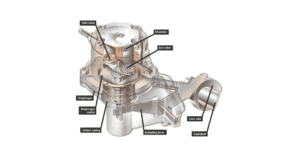 That experience taught me just how critical this overlooked part really is. Whether you drive a compact sedan, a family SUV, a pickup truck, or even a high-performance sports car, the fuel pump plays a vital role in keeping your engine supplied with the precise amount of fuel it needs. Without it, your vehicle simply won’t run properly or at all.
In this guide, I’ll explain exactly what a fuel pump does, how it works, common warning signs, maintenance tips, replacement costs, and what to look for when buying a new one. If you’re trying to understand your car better or preparing for a repair, this guide will help you make informed decisions.
What Is a Fuel Pump?
A fuel pump is a mechanical or electric device responsible for moving fuel from your vehicle’s fuel tank to the engine.
Modern gasoline vehicles primarily use electric fuel pumps, which are usually installed inside the fuel tank. Older vehicles often used mechanical fuel pumps powered by the engine.
Regardless of design, every fuel pump has one mission: Deliver fuel at the correct pressure and flow rate so the engine can operate efficiently. Think of it as the heart of your vehicle’s fuel system.
Just as your heart pumps blood throughout your body, the fuel pump continuously sends gasoline to your engine.
Why Is the Fuel Pump So Important?
Modern engines require fuel to be delivered with remarkable precision. Too little fuel can cause:
- Engine hesitation
- Loss of power
- Misfires
- Stalling
Too much fuel can result in:
- Poor fuel economy
- Increased emissions
- Rough engine operation
The fuel pump works together with:
- Fuel injectors
- Fuel pressure regulator
- Fuel filter
- Engine Control Unit (ECU)
Together, these components ensure your engine gets exactly what it needs under every driving condition.
How Does a Fuel Pump Work?
Here’s a simplified breakdown:
Step 1: Fuel Is Drawn from the Tank
When you start your vehicle, the electric fuel pump activates for a few seconds.
It begins pulling gasoline from the fuel tank.
Step 2: Fuel Is Pressurized
The pump creates the pressure needed for fuel injection systems. Most modern gasoline engines operate between:
- 40–65 PSI
- Some direct injection systems require much higher pressures.
Step 3: Fuel Travels Through the Fuel Filter
Before reaching the engine, fuel passes through a filter that removes dirt, rust, and debris.
Step 4: Fuel Reaches the Injectors
Fuel injectors spray an extremely fine mist into the combustion chamber. The ECU constantly adjusts the amount based on:
- Speed
- Engine load
- Temperature
- Throttle position
Step 5: Combustion Happens
The air-fuel mixture ignites.
Power is produced.
The process repeats thousands of times every minute.
Types of Fuel Pumps
There isn’t just one kind of fuel pump. Different vehicles use different designs.
| Fuel Pump Type | Common Vehicles | Advantages | Disadvantages |
| Mechanical Fuel Pump | Older carbureted cars | Simple, inexpensive | Less efficient |
| Electric Fuel Pump | Most modern gasoline vehicles | Reliable, high pressure | Requires electrical power |
| High-Pressure Fuel Pump | Direct injection engines | Excellent fuel delivery | More expensive |
| Inline Fuel Pump | Performance vehicles | Easy replacement | More external components |
| In-Tank Fuel Pump | Modern cars | Quiet, cool operation | Harder to replace |
Signs Your Fuel Pump Is Failing
One lesson I learned is that fuel pumps rarely fail without giving some warning. Here are the most common symptoms.
1. Difficulty Starting
If your engine cranks longer than normal, fuel pressure may be too low.
2. Loss of Power
The vehicle may struggle:
- Going uphill
- Accelerating
- Passing traffic
3. Engine Sputtering
A worn pump may deliver inconsistent fuel pressure.
The engine feels like it’s “missing” during acceleration.
4. Stalling
One of the biggest warning signs.
The car may suddenly shut off while driving.
5. Poor Fuel Economy
Incorrect fuel pressure affects combustion efficiency.
6. Whining Noise from the Fuel Tank
A healthy electric fuel pump produces only a soft humming sound.
A loud whining or buzzing often indicates wear.
7. Check Engine Light
Although many problems can trigger it, fuel delivery issues commonly illuminate the warning light.
Common Causes of Fuel Pump Failure
Fuel pumps are durable, but several factors shorten their lifespan.
Dirty Fuel
Contaminated gasoline introduces debris into the pump.
Running on Empty
Many drivers don’t realize the fuel surrounding the pump also cools it.
Repeatedly driving with less than 1/4 tank increases wear.
Clogged Fuel Filter
A restricted filter forces the pump to work harder.
Electrical Problems
Bad wiring or weak voltage can reduce performance.
Old Age
Many fuel pumps last:
- 100,000–150,000 miles
- Sometimes much longer with proper maintenance.
My Experience with a Failing Fuel Pump
When my vehicle began losing power during highway acceleration, I initially suspected spark plugs or ignition coils.
After replacing a few inexpensive maintenance items, the issue remained.
Eventually, a fuel pressure test revealed the pump wasn’t maintaining the required pressure under load.
Replacing it completely transformed the car.
Acceleration became smooth again, cold starts improved, and highway driving felt noticeably stronger.
The biggest lesson?
Ignoring early symptoms often leads to bigger repair bills later.
Fuel Pump Replacement Cost
Costs vary depending on the vehicle.
| Vehicle Type | Typical Parts Cost | Labor Cost | Estimated Total |
| Compact Car | $100–$250 | $200–$400 | $300–$650 |
| Sedan | $150–$350 | $250–$450 | $400–$800 |
| SUV | $200–$450 | $300–$600 | $500–$1,000+ |
| Pickup Truck | $250–$500 | $300–$700 | $550–$1,200+ |
Luxury and performance vehicles can exceed these estimates.
Can You Drive with a Bad Fuel Pump?
Technically, yes for a short time.
Should you?
No.
A weak pump can fail without warning. That could leave you stranded on the roadside or create unsafe situations if the engine stalls in traffic.
How Long Does a Fuel Pump Last?
Most factory fuel pumps last:
- 100,000–150,000 miles
Many exceed 200,000 miles with:
- Clean fuel
- Regular filter changes
- Avoiding frequent low-fuel driving
Tips to Extend Fuel Pump Life
Simple habits can make a noticeable difference.
- Keep at least one-quarter tank of fuel.
- Replace the fuel filter as recommended.
- Buy fuel from reputable stations.
- Avoid contaminated fuel.
- Address engine warning lights promptly.
- Repair electrical problems early.
- Follow your vehicle’s maintenance schedule.
Buyer’s Guide: Choosing the Right Fuel Pump
Buying a replacement fuel pump isn’t just about finding the lowest price. The right pump should match your vehicle’s specifications and deliver reliable performance for years.
1. Confirm Vehicle Compatibility
Always verify:
- Make
- Model
- Year
- Engine size
- VIN (if required)
Even different engine options within the same model year may use different fuel pumps.
2. Choose OEM or High-Quality Aftermarket
OEM (Original Equipment Manufacturer) pumps are designed to match factory performance.
Quality aftermarket brands can also be excellent if they meet or exceed OEM specifications.
Avoid unknown, ultra-cheap options that lack testing or warranty support.
3. Check Fuel Pressure Specifications
The pump must provide the pressure your engine requires. Using an incorrect pressure rating can cause poor performance, difficult starting, or engine damage over time.
4. Consider Warranty Coverage
A longer warranty often reflects greater manufacturer confidence. Compare warranty length and terms before purchasing.
5. Look for Complete Installation Kits
Some fuel pumps include:
- Fuel strainer
- O-rings
- Seals
- Wiring connectors
Buying a complete kit can save time and reduce the risk of leaks or installation issues.
6. Read Verified Customer Reviews
Look for consistent feedback about:
- Easy installation
- Quiet operation
- Longevity
- Reliable fuel pressure
- Overall value
Pay attention to recurring complaints, not just star ratings.
7. Factor in Total Cost
Remember that labor often exceeds the price of the pump itself. Choosing a higher-quality component may help avoid paying for the same repair twice.
Fuel Pump Maintenance Checklist
Keeping your fuel system healthy doesn’t require much effort. Follow this simple checklist:
- Refill before the tank gets too low.
- Replace the fuel filter according to the maintenance schedule.
- Listen for unusual noises from the fuel tank.
- Address hard-starting issues promptly.
- Use quality gasoline from trusted stations.
- Scan for diagnostic trouble codes if the check engine light appears.
- Inspect fuel lines for leaks during routine maintenance.
These preventive steps can help maximize the lifespan of your fuel pump and improve overall engine performance.
Read More: Ford Where Is The Fuel Rail Pressure Sensor Located
FAQs: What Does A Fuel Pump Do In A Car
What happens if the fuel pump stops working?
The engine will lose fuel pressure and eventually stop running. In many cases, the vehicle won’t restart until the pump is replaced.
Can a bad fuel pump damage the engine?
A failing pump can cause lean engine conditions, misfires, overheating, and poor performance. Addressing the issue early helps prevent additional wear.
Is replacing a fuel pump difficult?
It depends on the vehicle. Many modern cars require lowering the fuel tank, making the job labor-intensive. Some vehicles provide an access panel beneath the rear seat or cargo area, simplifying replacement.
How can I tell if it’s the fuel pump or the battery?
A weak battery usually causes slow cranking or clicking sounds. A failing fuel pump often allows the engine to crank normally but prevents it from starting due to insufficient fuel pressure.
Does premium fuel make the fuel pump last longer?
Not necessarily. Using the octane level recommended by your vehicle’s manufacturer is more important than buying premium fuel. Clean, high-quality gasoline from reputable stations is what helps protect the fuel system.
Can I replace only the fuel pump motor?
Some repair kits allow replacement of only the motor, but many technicians recommend replacing the complete fuel pump module to improve reliability and reduce the chance of future issues.
Why is my fuel pump making a loud humming noise?
A loud humming or whining sound can indicate wear, restricted fuel flow, a clogged filter, or the pump running hot due to consistently low fuel levels.
How often should I replace the fuel filter?
Follow your vehicle manufacturer’s maintenance schedule. Some modern vehicles have lifetime filters integrated into the fuel pump module, while others require periodic replacement.
Will a bad fuel pump trigger the check engine light?
Yes. Low fuel pressure or related fuel delivery problems can trigger diagnostic trouble codes and illuminate the check engine light.
Can a fuel pump fail suddenly?
Yes. Although many pumps show warning signs first, electrical failures or internal wear can sometimes cause sudden failure with little or no advance notice.
Final Thoughts
The fuel pump is one of those components most drivers rarely think about until something goes wrong. Yet it performs an essential task every time you start your car, delivering fuel at the precise pressure your engine needs for smooth, efficient operation.
From my own experience, paying attention to early warning signs such as hard starts, power loss, or unusual noises can save both money and frustration. While fuel pumps are built to last many years, simple habits like avoiding frequent low-fuel driving, using quality gasoline, and following your vehicle’s maintenance schedule can significantly extend their service life.
If your vehicle is showing symptoms of a failing fuel pump, don’t ignore them. Diagnosing the issue early and choosing a quality replacement can restore performance, improve reliability, and give you confidence every time you hit the road.