If you’ve ever wondered why modern cars run so smoothly despite constantly changing driving conditions, one small component deserves far more credit than it receives: the MAP sensor.
When I first learned about automotive sensors, I assumed the engine relied on fuel injectors and spark plugs to do all the work. After digging deeper and working through several maintenance projects, I realized the MAP (Manifold Absolute Pressure) sensor is one of the most important pieces of the engine management puzzle.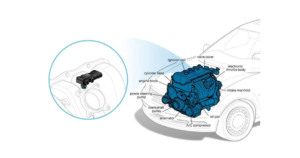 A faulty MAP sensor can make your vehicle feel sluggish, waste fuel, trigger the Check Engine Light, and even prevent the engine from starting properly. Fortunately, understanding what this sensor does isn’t nearly as complicated as it sounds.
In this guide, I’ll explain everything in simple language, from how a MAP sensor works to common symptoms, testing methods, replacement costs, buying advice, and frequently asked questions.
Whether you’re a beginner learning about car maintenance or someone trying to diagnose engine problems, this guide covers everything you need to know.
What Is a MAP Sensor?
MAP stands for Manifold Absolute Pressure. The MAP sensor measures the amount of air pressure (or vacuum) inside the engine’s intake manifold. It then sends this information to the Engine Control Unit (ECU), which uses the data to determine how much fuel should be injected and when the spark plugs should ignite.
Think of it as your engine’s pressure gauge. Without accurate pressure readings, the ECU has to guess how much fuel the engine needs. As you can imagine, guessing rarely produces the best results.
Why Is the MAP Sensor Important?
Modern engines constantly adjust to changing driving conditions. For example:
- Accelerating onto a highway
- Climbing steep hills
- Driving in cold weather
- Idling at traffic lights
- Towing heavy loads
The MAP sensor tells the ECU exactly how hard the engine is working. Using this information, the computer adjusts:
- Fuel injection
- Ignition timing
- Air-fuel ratio
- Engine load calculations
- Turbo boost (where applicable)
- Emissions control
The result is:
- Better fuel economy
- Stronger acceleration
- Lower emissions
- Smoother idle
- Easier cold starts
How Does a MAP Sensor Work?
The process happens thousands of times every minute.
Step 1
Air enters the intake manifold.
Step 2
The pressure inside changes depending on throttle position.
Step 3
The MAP sensor measures this pressure.
Step 4
It converts pressure into an electrical voltage signal.
Step 5
The ECU reads that voltage.
Step 6
The ECU calculates:
- Engine load
- Fuel delivery
- Spark timing
Everything happens almost instantly.
Where Is the MAP Sensor Located?
Most vehicles mount the MAP sensor:
- On the intake manifold
- Near the throttle body
- On the firewall with a vacuum hose
- Integrated into the intake plenum
The exact location depends on the manufacturer. Fortunately, most MAP sensors are relatively easy to access.
MAP Sensor vs MAF Sensor
Many people confuse these two sensors.
| Feature | MAP Sensor | MAF Sensor |
| Full Name | Manifold Absolute Pressure | Mass Air Flow |
| Measures | Intake manifold pressure | Incoming airflow |
| Location | Intake manifold | Air intake tube |
| Cost | Usually cheaper | Usually more expensive |
| Cleaning | Sometimes | Often |
| Failure Symptoms | Rough idle, poor acceleration | Hesitation, stalling, poor fuel economy |
| Used In | Speed-density systems | Airflow systems |
Some vehicles actually use both sensors together.
Symptoms of a Bad MAP Sensor
One thing I’ve learned is that a failing MAP sensor rarely fails overnight. Instead, it gradually causes strange engine behavior.
1. Check Engine Light
The ECU quickly notices unrealistic pressure readings. Common diagnostic codes include:
- P0105
- P0106
- P0107
- P0108
- P0109
2. Poor Fuel Economy
Incorrect pressure readings lead to incorrect fuel delivery. Too much fuel means:
- Lower MPG
- More fuel stops
- Higher operating costs
3. Rough Idle
The engine may:
- Shake
- Vibrate
- Idle unevenly
- Almost stall
4. Slow Acceleration
The engine struggles because the ECU doesn’t know the correct engine load. Drivers often notice:
- Delayed throttle response
- Weak acceleration
- Reduced power
5. Hard Starting
Especially:
- Cold mornings
- Hot restarts
- After sitting overnight
6. Black Exhaust Smoke
Too much fuel creates:
- Rich air-fuel mixtures
- Black smoke
- Carbon buildup
7. Engine Stalling
Incorrect fueling can cause the engine to stall when:
- Stopping
- Idling
- Accelerating
What Causes MAP Sensor Failure?
Several factors contribute.
Age
Electronic components naturally wear out.
Dirt
Oil vapor and carbon deposits contaminate the sensor.
Moisture
Water intrusion damages electronics.
Vacuum Leaks
Leaks create false pressure readings.
Wiring Problems
Damaged connectors interrupt signals.
Engine Modifications
Poorly tuned aftermarket parts sometimes overload the sensor’s range.
Can You Drive with a Bad MAP Sensor?
- Technically, yes.
- Should you?
- Usually not.
Driving with a faulty MAP sensor may cause:
- Poor fuel economy
- Engine hesitation
- Increased emissions
- Catalytic converter damage
- Reduced engine performance
Long-term driving can become expensive.
How Is a MAP Sensor Diagnosed?
Professional mechanics typically:
- Scan ECU codes
- Check live sensor data
- Measure voltage output
- Inspect vacuum hoses
- Test electrical wiring
- Verify manifold pressure
Sometimes the sensor isn’t the real problem. Vacuum leaks often mimic MAP sensor failure.
Can You Clean a MAP Sensor?
Sometimes. Use only:
- MAP sensor cleaner
- Mass airflow sensor cleaner
Never use:
- Brake cleaner
- Carburetor cleaner
- Compressed high-pressure air
- Wire brushes
Cleaning works only if contamination, not electronics, is causing the issue.
How Much Does a MAP Sensor Cost?
Prices vary. Typical ranges:
- Economy cars: $25–$70
- Mid-range vehicles: $50–$120
- Luxury vehicles: $100–$250
Labor usually adds:
- $50–$150
Total repair:
Approximately $80–$350.
Can You Replace It Yourself?
In many vehicles:
Yes.
Basic tools include:
- Screwdriver
- Socket set
- Safety gloves
Replacement often takes:
15–45 minutes.
Always disconnect the battery before working on electrical components.
Signs You Need Replacement Instead of Cleaning
Replacement is usually better when:
- Internal electronics fail
- Sensor housing cracks
- Water damage exists
- Voltage readings remain incorrect
- Trouble codes return repeatedly
My Personal Opinion
Over the years, I’ve noticed that many owners immediately replace expensive parts like fuel injectors, ignition coils, or oxygen sensors when a simple MAP sensor is actually causing the problem.
That’s why I always recommend diagnosing first instead of replacing parts based on guesswork. A quality MAP sensor isn’t particularly expensive, and replacing one at the right time can restore fuel economy, improve drivability, and prevent more costly repairs later.
If your vehicle has multiple symptoms, rough idle, poor fuel economy, sluggish acceleration, and a Check Engine Light, the MAP sensor deserves serious attention during diagnosis.
Buyer’s Guide: Choosing the Right MAP Sensor
Buying a MAP sensor isn’t just about finding the cheapest option. Quality, compatibility, and durability matter because inaccurate readings can cause ongoing engine problems.
1. Verify Compatibility
Always match the sensor with:
- Vehicle make
- Model
- Year
- Engine size
- VIN (if possible)
2. Choose OEM or Trusted Aftermarket Brands
OEM sensors generally provide the best fit and calibration. Reputable aftermarket brands can also perform well when sourced from reliable suppliers.
3. Check the Connector
Compare the electrical connector and mounting points with your original sensor before purchasing.
4. Warranty
A warranty of at least 12 months offers added peace of mind.
5. Avoid Unknown Ultra-Cheap Parts
Extremely inexpensive sensors may have inconsistent calibration, leading to poor engine performance or recurring fault codes.
6. Read Customer Reviews
Look for comments about:
- Ease of installation
- Accuracy
- Long-term reliability
- Vehicle-specific compatibility
Maintenance Tips to Extend MAP Sensor Life
- Replace dirty air filters on schedule.
- Fix vacuum leaks promptly.
- Avoid pressure washing directly around engine electronics.
- Address oil leaks that may contaminate the intake.
- Perform regular engine maintenance.
- Inspect electrical connectors during routine service.
Read More: How To Check Motor Oil
FAQs: What Does A Map Sensor Do On A Car
Does every car have a MAP sensor?
No. Some vehicles rely primarily on a Mass Air Flow (MAF) sensor, while others use a MAP sensor or a combination of both.
Can a bad MAP sensor cause poor gas mileage?
Yes. Incorrect pressure readings often lead to an overly rich fuel mixture, increasing fuel consumption.
Will a bad MAP sensor trigger the Check Engine Light?
Yes. Fault codes related to the MAP sensor commonly illuminate the Check Engine Light.
Is it safe to clean a MAP sensor?
Only if it’s dirty and the manufacturer allows cleaning. Use a cleaner specifically designed for MAP or MAF sensors.
Can I replace a MAP sensor myself?
In many vehicles, yes. If it’s easily accessible and you have basic mechanical skills, replacement is usually straightforward.
How long does a MAP sensor last?
Many MAP sensors last well over 100,000 miles, though lifespan depends on operating conditions and maintenance.
What happens if I ignore a failing MAP sensor?
You may experience reduced fuel economy, poor performance, higher emissions, and possible damage to other engine components over time.
Is a MAP sensor expensive?
Compared with many engine components, it is relatively affordable. Costs vary depending on the vehicle and whether you choose OEM or aftermarket parts.
Can a vacuum leak mimic MAP sensor problems?
Yes. Vacuum leaks can produce symptoms very similar to a faulty MAP sensor, making proper diagnosis important.
Does disconnecting the battery reset a MAP sensor?
Disconnecting the battery may clear adaptive values or stored fault codes temporarily, but it will not repair a defective sensor.
Final Thoughts
The MAP sensor may be small, but it plays a vital role in keeping your engine efficient, responsive, and reliable. By continuously measuring intake manifold pressure, it helps the engine computer deliver the right amount of fuel and optimize ignition timing for changing driving conditions.
If you notice symptoms like rough idling, poor acceleration, reduced fuel economy, or a persistent Check Engine Light, don’t overlook this inexpensive yet essential component. Diagnosing the issue early can save money, improve performance, and help prevent unnecessary wear on other engine parts.
For most drivers, understanding the basics of how a MAP sensor works is enough to make smarter maintenance decisions and communicate more effectively with a mechanic.
Whether you’re replacing the sensor yourself or having a professional perform the repair, choosing a quality replacement and ensuring proper diagnosis will provide the best long-term results.