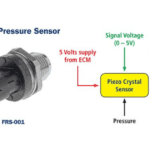
Modern vehicles rely on dozens of sensors to keep the engine running smoothly and efficiently. One of the most important yet often overlooked components is the fuel rail pressure sensor.
This small electronic device continuously monitors fuel pressure within the fuel rail and sends data to the engine control module (ECM). When the fuel rail pressure sensor starts to fail, it can create a surprising number of drivability problems.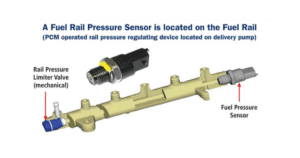 From poor fuel economy and rough idling to hard starts and even complete engine shutdowns, a faulty sensor can quickly turn a reliable vehicle into a frustrating one.
I learned this firsthand when my vehicle suddenly began hesitating during acceleration. At first, I suspected bad fuel or dirty injectors. After a diagnostic scan revealed a fuel rail pressure sensor fault code, replacing the sensor solved the issue almost immediately.
The experience highlighted just how important this relatively inexpensive component really is. In this guide, we’ll explore exactly what happens when a fuel rail pressure sensor goes bad, how to identify the symptoms, what causes failures, repair costs, and how to prevent future issues.
What Is a Fuel Rail Pressure Sensor?
The fuel rail pressure sensor measures the amount of fuel pressure inside the fuel rail before fuel enters the injectors.
The sensor constantly sends pressure readings to the vehicle’s computer, allowing it to:
- Regulate fuel delivery
- Optimize air-fuel ratios
- Improve fuel economy
- Reduce emissions
- Maintain engine performance
Without accurate pressure readings, the engine computer struggles to determine how much fuel should be injected into the combustion chambers.
Fuel Rail Pressure Sensor vs Healthy Sensor
| Feature | Healthy Sensor | Bad Sensor |
| Fuel Pressure Reading | Accurate | Incorrect or erratic |
| Engine Performance | Smooth | Hesitation and roughness |
| Fuel Economy | Optimal | Reduced MPG |
| Starting Reliability | Easy starts | Hard starts |
| Check Engine Light | Off | Often illuminated |
| Emissions | Normal | Increased emissions |
| Idle Quality | Smooth | Rough or unstable |
| Acceleration | Responsive | Sluggish |
What Happens If the Fuel Rail Pressure Sensor Goes Bad?
A failed sensor can create a chain reaction of engine management problems.
1. Check Engine Light Turns On
The most common symptom is an illuminated check engine light. The ECM continuously monitors sensor performance. If readings fall outside expected parameters, diagnostic trouble codes (DTCs) may be stored.
Common codes include:
- P0190
- P0191
- P0192
- P0193
- P0194
These codes often indicate sensor circuit or pressure signal problems.
2. Poor Engine Performance
When the sensor sends inaccurate data, the engine computer makes incorrect fueling adjustments.
You may notice:
- Reduced power
- Engine hesitation
- Lack of responsiveness
- Poor throttle reaction
This often becomes especially noticeable during highway merging or uphill driving.
3. Hard Starting
The ECM relies heavily on fuel pressure information during startup. A bad sensor may cause:
- Extended cranking
- Multiple start attempts
- Delayed ignition
- Failure to start
In severe cases, the engine may crank normally but refuse to fire.
4. Rough Idle
One of the earliest warning signs is unstable idle behavior. Symptoms include:
- Shaking engine
- Fluctuating RPMs
- Engine stumbling
- Rough running at stoplights
Because fuel delivery becomes inconsistent, the engine struggles to maintain a stable idle speed.
5. Reduced Fuel Economy
Incorrect pressure readings can cause the ECM to inject more fuel than necessary. The result:
- More fuel consumption
- Frequent trips to the gas station
- Higher operating costs
Many drivers report noticeable drops in MPG before realizing a sensor issue exists.
6. Engine Misfires
Fuel pressure inaccuracies can disrupt combustion timing and fuel delivery. Misfire symptoms include:
- Jerking while driving
- Engine vibration
- Reduced power
- Flashing check engine light
Persistent misfires can damage catalytic converters over time.
7. Black Smoke From Exhaust
If the ECM receives a low-pressure signal when pressure is actually normal, it may enrich the fuel mixture excessively. Signs include:
- Black exhaust smoke
- Strong fuel smell
- Carbon buildup
- Increased emissions
This indicates unburned fuel leaving the exhaust system.
8. Stalling
In severe cases, a failed sensor can cause unexpected engine shutdowns. The engine may:
- Stall at idle
- Stall during acceleration
- Shut off while driving
This symptom can become a serious safety concern.
9. Limp Mode Activation
Many modern vehicles activate limp mode when critical sensor faults occur. Limp mode typically causes:
- Reduced power
- Limited RPM range
- Restricted acceleration
The purpose is to protect the engine from damage.
Common Causes of Fuel Rail Pressure Sensor Failure
Several factors can contribute to sensor failure.
Age and Wear
Over time, internal electronic components degrade. Most sensors last:
- 80,000–150,000 miles
- 8–15 years depending on usage
Fuel Contamination
Dirty fuel can damage sensor components. Contaminants include:
- Rust particles
- Water
- Debris
- Sediment
Electrical Problems
Wiring issues frequently mimic sensor failure. Examples:
- Corroded connectors
- Broken wires
- Poor grounds
- Voltage fluctuations
Excessive Heat
Engine compartments generate significant heat. Repeated exposure can damage:
- Internal circuitry
- Sensor housing
- Connector insulation
Fuel Pressure Spikes
Abnormal pressure conditions may stress the sensor beyond its design limits.
Symptoms Checklist
If multiple symptoms occur simultaneously, the fuel rail pressure sensor may be failing.
Warning Signs
✓ Check engine light
✓ Rough idle
✓ Hard starting
✓ Poor acceleration
✓ Engine hesitation
✓ Increased fuel consumption
✓ Engine stalling
✓ Black exhaust smoke
✓ Misfires
✓ Limp mode
How Mechanics Diagnose a Bad Fuel Rail Pressure Sensor
Professional diagnosis typically includes:
Scan Tool Analysis
Technicians check:
- Stored trouble codes
- Live pressure data
- Sensor voltage signals
Visual Inspection
Inspection includes:
- Wiring harnesses
- Connectors
- Corrosion
- Physical damage
Fuel Pressure Testing
A fuel pressure gauge verifies actual fuel pressure. The technician compares:
- Mechanical pressure readings
- ECM pressure readings
Differences indicate sensor issues.
Voltage Testing
Using a multimeter, technicians verify:
- Power supply
- Ground circuit
- Signal output
Can You Drive With a Bad Fuel Rail Pressure Sensor?
Technically, yes, but it’s not recommended. Potential risks include:
- Unexpected stalling
- Reduced performance
- Increased fuel costs
- Catalytic converter damage
- Failure to start
Short trips to a repair facility may be possible, but prolonged driving should be avoided.
Fuel Rail Pressure Sensor Replacement Cost
Costs vary by vehicle.
| Expense | Typical Cost |
| Sensor Part | $50–$300 |
| Labor | $50–$200 |
| Total Repair Cost | $100–$500 |
Luxury vehicles often cost more due to limited accessibility and specialized components.
DIY Replacement: Is It Difficult?
Many vehicles allow relatively straightforward replacement. Basic tools include:
- Socket set
- Ratchet
- Safety glasses
- Scan tool (optional)
However, fuel systems operate under high pressure. Always:
- Relieve fuel pressure first
- Disconnect battery
- Follow the manufacturer’s procedures
If you’re unfamiliar with fuel systems, professional service is the safer choice.
How to Prevent Fuel Rail Pressure Sensor Problems
While no sensor lasts forever, proper maintenance helps extend lifespan.
Use Quality Fuel
Reputable fuel stations reduce contamination risks.
Replace Fuel Filters
Clogged filters increase stress on the fuel system. Follow manufacturer intervals.
Fix Fuel System Issues Promptly
Ignoring fuel pump or injector problems can accelerate sensor wear.
Inspect Wiring Regularly
Check for:
- Corrosion
- Loose connections
- Damaged insulation
Address Check Engine Lights Early
Small sensor issues are often easier and cheaper to repair when caught early.
My Personal Experience With a Bad Fuel Rail Pressure Sensor
A few years ago, my vehicle developed a hesitation problem during acceleration. Initially, I suspected spark plugs because the symptoms resembled an ignition issue.
The check engine light eventually illuminated, and scanning the vehicle revealed a fuel rail pressure sensor-related code. Live data showed fluctuating pressure readings even when fuel pressure remained stable.
After replacing the sensor, the engine immediately felt smoother. Starting improved, acceleration became more responsive, and fuel economy returned to normal within a few tanks of fuel.
The repair cost was modest compared to the performance improvements it delivered.
Buyer’s Guide: Choosing a Replacement Fuel Rail Pressure Sensor
If replacement becomes necessary, consider the following factors.
OEM vs Aftermarket
OEM Sensors
Pros:
- Exact fit
- Factory specifications
- Reliable performance
Cons:
- Higher cost
Aftermarket Sensors
Pros:
- Lower cost
- Wider availability
Cons:
- Quality varies significantly
Warranty Coverage
Choose sensors offering:
- At least a 12-month warranty
- Manufacturer support
- Clear return policy
Brand Reputation
Trusted manufacturers often provide:
- Better quality control
- More accurate readings
- Longer lifespan
Compatibility Verification
Always confirm:
- Make
- Model
- Engine size
- Production year
Incorrect sensors can cause additional drivability problems.
Signs You Need Immediate Repair
Seek repair immediately if:
- Vehicle stalls while driving
- The engine will not start
- Check engine light flashes
- Heavy black smoke appears
- Severe misfires occur
Prompt attention prevents larger repair bills.
Read More: Can a Fuel Pump Cause a Car Not To Start
FAQs: What Happens If The Fuel Rail Pressure Sensor Goes Bad
Can a bad fuel rail pressure sensor cause a no-start condition?
Yes. If the sensor sends incorrect pressure information, the ECM may fail to deliver the correct fuel amount needed for startup.
Will a bad fuel rail pressure sensor throw a code?
Usually. Common trouble codes include P0190, P0191, P0192, P0193, and P0194.
Can a fuel rail pressure sensor cause stalling?
Yes. Incorrect fuel pressure data can cause the engine to receive improper fuel delivery, leading to stalling.
How long does a fuel rail pressure sensor last?
Most sensors last between 80,000 and 150,000 miles, depending on vehicle usage and maintenance.
Can I replace a fuel rail pressure sensor myself?
Many vehicles allow DIY replacement, but proper safety procedures are essential because fuel systems can remain pressurized.
Does a bad fuel rail pressure sensor affect fuel economy?
Absolutely. Incorrect readings often cause excessive fuel delivery, reducing MPG.
Can a faulty fuel rail pressure sensor damage the engine?
Indirectly, yes. Long-term operation may contribute to misfires, catalytic converter damage, and excessive carbon buildup.
How much does it cost to replace a fuel rail pressure sensor?
Most repairs range from $100 to $500, including parts and labor.
Can a bad fuel rail pressure sensor cause black smoke?
Yes. Rich fuel mixtures caused by incorrect pressure readings often create black exhaust smoke.
Should I replace the sensor immediately?
If symptoms are affecting drivability, replacing the sensor promptly is recommended to avoid more expensive repairs later.
Conclusion
So, what happens if the fuel rail pressure sensor goes bad? The answer ranges from minor performance issues to serious drivability problems. Symptoms can include hard starting, rough idle, poor fuel economy, engine hesitation, stalling, misfires, black exhaust smoke, and check engine lights.
Because the sensor plays a critical role in fuel management, accurate diagnosis is essential. Fortunately, replacement is often straightforward and relatively affordable compared to the damage that can occur if the problem is ignored.
If your vehicle exhibits multiple symptoms associated with fuel pressure sensor failure, addressing the issue early can restore performance, improve fuel efficiency, and prevent more expensive repairs down the road.