Few things are more frustrating than walking up to your car and noticing a fresh scratch on the door trim. Whether it happened from a shopping cart, another car door, road debris, or simply years of wear and tear, scratched door trim can make an otherwise beautiful vehicle look neglected.
I’ve dealt with this problem multiple times over the years. The first scratch appeared on my daily driver after a tight parking lot encounter. Initially, I assumed professional repair was my only option.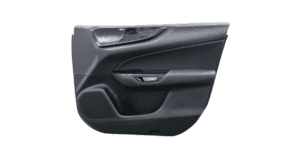 After researching and experimenting with several methods, I discovered that many door trim scratches can be repaired at home with inexpensive tools and a little patience.
In this guide, I’ll walk you through everything I’ve learned about repairing scratched car door trim, including identifying the trim material, selecting the right repair method, avoiding common mistakes, and restoring your vehicle’s appearance without spending hundreds of dollars at a body shop.
Understanding Car Door Trim
Before attempting any repair, it’s important to understand what type of door trim your vehicle has. Modern cars typically feature one of the following trim materials:
- Black plastic trim
- Textured plastic trim
- Painted trim
- Chrome trim
- Gloss black trim
- Vinyl-covered trim
- Rubber molding
Each material requires a slightly different repair approach.
The good news is that most minor scratches can be repaired or significantly improved with DIY methods.
Common Causes of Door Trim Scratches
Door trim gets damaged more often than many other parts of a vehicle because it’s exposed to daily hazards. Common causes include:
- Parking lot door dings
- Shopping carts
- Tree branches
- Road debris
- Keys and bags brushing against the vehicle
- Improper washing techniques
- Automatic car washes
- Pet claws
- Ice scrapers
Understanding the cause helps determine the severity of the damage and the best repair solution.
Types of Door Trim Scratches
Not all scratches are equal.
Light Surface Scratches
These only affect the outer surface and are often removable through polishing or trim restoration products.
Signs:
- Hard to feel with a fingernail
- Visible mainly in sunlight
- No deep grooves
Moderate Scratches
These penetrate deeper into the trim material.
Signs:
- Noticeable texture changes
- Easily felt by touch
- Visible from multiple angles
Deep Scratches
These require filling, sanding, or replacement.
Signs:
- Deep grooves
- Missing material
- Exposed substrate underneath
Repair Options Comparison Table
| Repair Method | Difficulty | Cost | Best For | Results |
| Trim Restorer | Easy | $10-$20 | Light scratches | Good |
| Heat Gun Method | Medium | $20-$40 | Plastic trim | Very Good |
| Plastic Polish | Easy | $10-$25 | Surface scratches | Excellent |
| Touch-Up Paint | Medium | $15-$40 | Painted trim | Very Good |
| Chrome Repair Kit | Medium | $20-$50 | Chrome trim | Good |
| Sand and Refinish | Advanced | $30-$100 | Deep scratches | Excellent |
| Professional Repair | Easy | $100-$500 | Severe damage | Excellent |
Method 1: Using a Trim Restorer
This is often the simplest and safest solution.
What You’ll Need
- Trim restoration product
- Microfiber cloth
- Mild car soap
- Water
Step-by-Step Process
Step 1: Clean the Area
Wash the trim thoroughly.
Remove:
- Dirt
- Wax residue
- Road grime
- Oil contamination
Dry completely before proceeding.
Step 2: Apply Trim Restorer
Place a small amount on a microfiber applicator.
Work it into the scratched area using circular motions.
Step 3: Allow Absorption
Wait 5–10 minutes.
The product will penetrate the trim and darken faded areas.
Step 4: Buff Excess Product
Use a clean microfiber towel.
Buff gently until the finish looks even.
Results
Light scratches often become nearly invisible.
Method 2: Heat Gun Technique for Plastic Trim
One of the most effective DIY repairs for black plastic trim.
Why It Works
Plastic trim contains oils that fade and become hidden beneath the surface.
Gentle heat brings these oils back to the surface.
Tools Needed
- Heat gun
- Microfiber cloth
- Plastic trim cleaner
Step-by-Step
Clean Thoroughly
Any dirt left behind may become embedded.
Apply Heat Carefully
Hold the heat gun:
- 6 to 8 inches away
- Constantly moving
Never stay in one spot.
Watch for Color Change
The trim gradually darkens and regains color.
Stop immediately if melting begins.
Cool and Protect
Allow the trim to cool naturally.
Apply a UV protectant afterward.
My Experience
This method dramatically improved faded scratches on an SUV’s black plastic trim.
Method 3: Plastic Polish Repair
Ideal for glossy black trim.
Supplies
- Plastic polish
- Foam applicator
- Microfiber towel
Process
- Apply a small amount of polish.
- Use light pressure.
- Buff repeatedly until scratches become less visible.
- For deeper marks, multiple applications may be needed.
Method 4: Repairing Painted Door Trim
Painted trim requires a different approach.
Materials Needed
- Touch-up paint
- Fine sandpaper
- Primer
- Clear coat
Steps
Clean the Area
Remove all contaminants.
Sand the Scratch
Use very fine grit paper.
Feather the edges carefully.
Apply Primer
Only if bare material is exposed.
Apply Paint
Use thin layers.
Allow drying between coats.
Add Clear Coat
Protects the repair and restores gloss.
Method 5: Fixing Chrome Trim Scratches
Chrome trim is more challenging.
Minor Scratches
Use:
- Chrome polish
- Soft applicator pad
Polish in small circular motions.
Deeper Damage
Repair kits can reduce visibility.
However, replacement is sometimes the best option.
Best Products for Door Trim Repair
Product Comparison Table
| Product Type | Best Use | Typical Price |
| Trim Restorer | Plastic trim | $10-$20 |
| Plastic Polish | Gloss trim | $10-$25 |
| Touch-Up Paint | Painted trim | $15-$40 |
| Chrome Polish | Chrome trim | $10-$30 |
| Heat Gun | Plastic restoration | $20-$50 |
| Scratch Filler | Deep damage | $15-$35 |
| Ceramic Protectant | Long-term protection | $20-$60 |
Mistakes to Avoid
During my early repair attempts, I made several mistakes that cost time and money.
Avoid these common errors:
Using Excessive Heat
Too much heat can permanently warp plastic.
Sanding Too Aggressively
Over-sanding creates uneven surfaces.
Skipping Cleaning
Contaminants interfere with repairs.
Using Household Products
Avoid:
- Toothpaste
- Abrasive cleaners
- Harsh solvents
They often worsen the damage.
Ignoring UV Protection
Restored trim fades quickly without protection.
When Professional Repair Is Worth It
DIY repairs work well for many scratches, but professionals are sometimes the better choice. Consider professional service if:
- Trim is cracked
- Material is missing
- Chrome is severely damaged
- Multiple panels are affected
- Vehicle value is high
A professional finish may justify the cost.
Preventing Future Door Trim Scratches
Prevention is easier than repair. Here are strategies I now use regularly:
Park Strategically
Choose spaces away from crowded areas.
Use Paint Protection Film
Protective film absorbs minor impacts.
Wash Properly
Use quality microfiber towels.
Avoid dirty sponges.
Apply Ceramic Protection
Creates a protective barrier.
Regular Maintenance
Keep trim conditioned every few months.
Cost Breakdown
Typical DIY repair costs:
| Repair Type | Estimated Cost |
| Basic Restoration | $10-$25 |
| Plastic Polish Repair | $15-$30 |
| Heat Gun Restoration | $20-$50 |
| Touch-Up Paint Repair | $20-$60 |
| Advanced Sanding and Refinishing | $40-$100 |
| Professional Repair | $100-$500+ |
Most vehicle owners can successfully repair minor scratches for less than $30.
My Personal Review After Multiple Repairs
After repairing door trim on several vehicles over the years, I’ve found that most scratches look far worse than they actually are. For light scratches, trim restorers and plastic polishes provide excellent results with minimal effort.
For black plastic trim, the heat gun method remains my favorite because it can transform faded, scratched trim in minutes when used correctly. Painted trim repairs require more patience, but touch-up paint can achieve surprisingly professional-looking results.
The biggest lesson I’ve learned is that preparation matters more than the repair itself. Thorough cleaning, proper product selection, and taking your time will usually produce far better results than rushing through the process.
If you’re dealing with a scratched door trim today, don’t assume replacement is necessary. Start with the least aggressive repair method and work your way up only if needed. In many cases, a simple restoration product can restore the appearance dramatically and save hundreds of dollars.
Buyer’s Guide: Choosing the Right Door Trim Repair Solution
Selecting the right repair product depends on several factors.
Identify the Trim Material
Before purchasing anything, determine whether your trim is:
- Plastic
- Painted
- Chrome
- Rubber
- Vinyl
Different materials require different products.
Determine Scratch Depth
Light scratches:
- Polish
- Trim restorer
Medium scratches:
- Scratch remover
- Touch-up products
Deep scratches:
- Fillers
- Sanding kits
- Replacement parts
Consider Ease of Use
Beginners should start with:
- Trim restorers
- Plastic polishes
Advanced users can try:
- Heat treatment
- Wet sanding
- Refinishing kits
Evaluate Long-Term Protection
Look for products with:
- UV inhibitors
- Water resistance
- Ceramic protection
These help maintain results longer.
Budget Considerations
For occasional repairs, inexpensive restoration products offer excellent value. For enthusiasts, investing in professional-grade detailing products can provide superior long-term results.
Read More: Car AC Belt Replacement Cost
FAQs: How To Fix Scratched Door Trim Car
Can scratched plastic door trim be repaired?
Yes. Most light and moderate scratches can be improved or removed using trim restorers, plastic polish, or heat restoration techniques.
Does the heat gun method really work?
Yes. It is particularly effective on black plastic trim because it restores oils and color hidden beneath the surface.
Can toothpaste remove trim scratches?
It may help extremely light marks, but dedicated automotive products provide safer and more consistent results.
How much does professional door trim repair cost?
Most repairs range from $100 to $500 depending on damage severity and vehicle type.
Can deep scratches be completely removed?
Sometimes. Deep scratches may require filling, sanding, repainting, or replacement.
How long does trim restoration last?
Typically 3–12 months depending on product quality, climate, and maintenance.
Is replacing door trim expensive?
Replacement costs vary widely but generally range from $50 to several hundred dollars per piece.
Can ceramic coatings protect door trim?
Yes. Ceramic coatings help reduce UV damage, staining, and future wear.
What is the easiest DIY repair method?
A trim restoration product is usually the simplest option for beginners.
Should I repair or replace damaged trim?
Repair is usually worthwhile for scratches. Replacement is often better for cracked, broken, or heavily damaged trim.
Final Thoughts
Scratched door trim is one of the most common cosmetic issues vehicle owners face, but it’s also one of the easiest to improve. Whether you choose a simple trim restorer, plastic polish, heat gun treatment, or touch-up paint, many repairs can be completed at home for a fraction of professional costs.
With the right products, careful preparation, and a little patience, you can restore your vehicle’s trim and maintain a cleaner, more polished appearance for years to come.