Checking your car’s oil is one of the simplest yet most important maintenance tasks you can perform. It takes only a few minutes, requires minimal tools, and can save you from expensive engine repairs.
I still remember the first time I checked my car’s oil. I was nervous about doing something wrong, but once I learned the process, it became a routine part of vehicle ownership.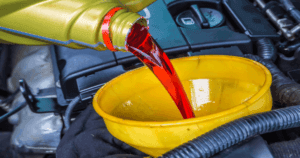 Whether you drive daily, take long road trips, or only use your car occasionally, knowing how to check your oil can help extend engine life and improve performance.
In this comprehensive guide, you’ll learn exactly how to check your car’s oil, understand what the oil level means, identify warning signs, and discover best practices for maintaining your engine.
Why Checking Your Car Oil Matters
Engine oil performs several critical functions:
- Lubricates moving engine parts
- Reduces friction and wear
- Prevents overheating
- Cleans internal engine components
- Protects against corrosion
- Improves engine efficiency
Without enough oil, engine parts can grind against each other, causing severe damage. Regular oil checks help you catch problems before they become expensive repairs.
Quick Comparison Table: Healthy vs Problematic Oil
| Oil Condition | Appearance | What It Means | Recommended Action |
| Clean Oil | Amber or light brown | Normal condition | Continue driving |
| Slightly Dark Oil | Brown | Typical after use | Monitor regularly |
| Very Dark Oil | Black | Oil may be old | Schedule an oil change |
| Milky Oil | Cream-colored | Possible coolant leak | Seek professional inspection |
| Low Oil Level | Below the minimum mark | Oil consumption or leak | Add oil immediately |
| Overfilled Oil | Above the maximum mark | Too much oil was added | Remove excess oil |
Tools You Need
The good news is that checking oil requires very little equipment. Essential items include:
- Clean paper towel or rag
- Protective gloves (optional)
- Flashlight (optional)
- Vehicle owner’s manual
Most cars already have everything needed under the hood.
When Should You Check Your Oil?
For the most accurate reading:
- Park on level ground
- Turn off the engine
- Wait 5 to 10 minutes after driving
- Allow oil to settle into the oil pan
Many experts recommend checking oil:
- Once a month
- Before long trips
- After noticing the warning lights
- Whenever unusual engine noises occur
Step-by-Step Guide: How To Check the Oil in a Car
Step 1: Park Safely
Park your vehicle on a flat surface.
A level surface ensures an accurate oil reading. Sloped driveways can cause misleading measurements.
Apply the parking brake and turn off the engine.
Step 2: Open the Hood
Locate the hood release lever inside your vehicle.
Pull the lever and move to the front of the car. Release the secondary hood latch and securely prop open the hood.
Take a moment to let the engine cool if it has been running recently.
Step 3: Find the Oil Dipstick
Look for the oil dipstick. It usually has:
- A yellow handle
- An orange handle
- A ring-shaped pull tab
The exact location varies depending on the vehicle. If you’re unsure, consult your owner’s manual.
Step 4: Remove the Dipstick
- Pull the dipstick out completely.
- At this point, the reading may not be accurate because oil splashes around while driving.
- Use a clean cloth or paper towel to wipe the dipstick completely clean.
Step 5: Reinsert the Dipstick
- Push the dipstick all the way back into its tube.
- Make sure it is fully seated.
- This step is important because it provides the true oil level reading.
Step 6: Remove It Again and Read the Level
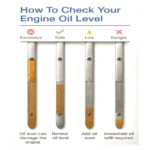
Pull the dipstick out a second time. Look at the oil-covered section near the end. Most dipsticks include:
- MIN and MAX marks
- LOW and FULL indicators
- Crosshatched areas
The oil should ideally sit near the MAX or FULL mark.
Understanding Oil Level Indicators
Full Oil Level
If the oil reaches the FULL mark:
- Oil level is healthy
- No action required
This is the ideal result.
Slightly Below Full
If oil falls slightly below FULL:
- Still acceptable
- Monitor during the next inspection
Most vehicles operate normally in this range.
Near Minimum Mark
If oil approaches the MIN line:
- Add oil soon
- Check for leaks
- Monitor consumption
Don’t ignore this warning sign.
Below Minimum Mark
If oil is below MIN:
- Add oil immediately
- Avoid long drives
- Inspect for possible leaks
Low oil can lead to serious engine damage.
How To Add Oil If Needed
If the oil level is low:
- Locate the oil filler cap.
- Remove the cap.
- Add oil slowly.
- Use the oil type specified by the manufacturer.
- Wait a few minutes.
- Recheck the level.
Never pour in large amounts at once. Small additions prevent overfilling.
Comparison Table: Low Oil vs Overfilled Oil
| Condition | Symptoms | Risk Level | Solution |
| Low Oil | Engine noise, warning light, overheating | High | Add correct oil |
| Slightly Low | No obvious symptoms | Moderate | Top off oil |
| Proper Level | Smooth operation | Low | Continue monitoring |
| Slightly Overfilled | Minor pressure increase | Moderate | Remove excess |
| Severely Overfilled | Foaming, leaks, engine issues | High | Drain excess oil |
What Color Should Engine Oil Be?
Oil color provides useful clues.
Light Amber
Fresh and healthy oil.
Dark Brown
Normal after extended use.
Black
Common in older oil but may indicate it’s time for a change.
Milky White
Potential coolant contamination.
Professional diagnosis is recommended.
Metallic Appearance
Possible internal engine wear.
Seek immediate inspection.
Signs Your Car May Be Low on Oil
Watch for these symptoms:
Oil Warning Light
The dashboard oil light is often the first warning.
Never ignore it.
Engine Knocking
Insufficient lubrication can create knocking sounds.
Burning Smell
Oil leaks may produce a burning odor.
Poor Performance
Low oil can increase friction and reduce efficiency.
Excessive Engine Heat
Oil helps regulate temperature.
Low levels may contribute to overheating.
Common Mistakes When Checking Oil
Many drivers make simple errors. Avoid these common mistakes:
Checking on Uneven Ground
This can produce inaccurate readings.
Checking Immediately After Driving
Oil needs time to settle.
Not Wiping the Dipstick
Always wipe before taking a measurement.
Using the Wrong Oil
Different engines require specific oil grades.
Overfilling
Too much oil can be as harmful as too little.
How Often Should You Check Engine Oil?
Driving habits affect inspection frequency.
Daily Drivers
Check monthly.
Older Vehicles
Check every two weeks.
High-Mileage Cars
Check weekly.
Before Road Trips
Always inspect before long-distance travel.
Understanding Oil Consumption
Some oil consumption is normal. Factors include:
- Engine age
- Driving style
- Engine design
- Climate conditions
Modern vehicles may consume small amounts between oil changes without indicating a problem.
Choosing the Right Engine Oil
Always follow manufacturer recommendations. Common oil types include:
Conventional Oil
Affordable and widely available.
Best for basic driving conditions.
Synthetic Blend
Offers improved protection.
Good balance of cost and performance.
Full Synthetic
Provides superior lubrication and durability.
Excellent for modern engines.
Buyer’s Guide: Choosing Oil and Oil-Checking Accessories
When purchasing oil-related products, consider the following.
Engine Oil
Choose oil that matches:
- Manufacturer specifications
- Viscosity rating
- Climate conditions
Examples include:
- 0W-20
- 5W-20
- 5W-30
- 10W-30
Refer to your owner’s manual.
Oil Funnels
A quality funnel helps prevent spills. Look for:
- Flexible neck
- Durable plastic
- Wide opening
Gloves
Disposable nitrile gloves keep hands clean. Benefits include:
- Chemical resistance
- Better grip
- Easy disposal
Shop Towels
Reusable microfiber towels work well for dipstick cleaning. Features to look for:
- Lint-free material
- Absorbency
- Washability
Oil Catch Containers
Useful when changing or draining oil. Choose:
- Leak-resistant designs
- Secure lids
- Easy-pour spouts
My Personal Experience Checking Car Oil
Over the years, checking oil has become second nature. I’ve caught small leaks early, prevented low-oil situations, and avoided unnecessary repair bills simply by spending a few minutes each month under the hood.
What surprised me most was how easy the process actually is. Many drivers assume engine maintenance is complicated, but checking oil is one of the simplest tasks anyone can learn.
The confidence that comes from understanding your vehicle is worth the effort.
Read More: Can You Change The Shifter On An Automatic Car
FAQs: How To Check Oil Of Car
How often should I check my car’s oil?
Most experts recommend checking once per month and before long road trips.
Can I check oil when the engine is hot?
It’s best to wait 5 to 10 minutes after turning off the engine so the oil can settle.
What happens if my oil level is too low?
Low oil can cause excessive engine wear, overheating, and severe engine damage.
Is dark oil always bad?
Not necessarily. Oil naturally darkens over time. However, extremely dirty oil may indicate a need for an oil change.
Can too much oil damage an engine?
Yes. Overfilled oil can create excessive pressure and foaming, potentially harming engine components.
Should I check the oil before or after driving?
For the most accurate reading, check after the engine has been turned off and allowed to rest for several minutes.
What if my oil level keeps dropping?
Frequent oil loss may indicate leaks, burning oil, or internal engine issues that require inspection.
How long does checking oil take?
Typically less than five minutes.
Do all cars have a dipstick?
Most vehicles do, although some newer models use electronic oil monitoring systems.
Can I add oil myself?
Yes. As long as you use the correct oil type and avoid overfilling, topping off oil is a simple maintenance task.
Final Thoughts
Knowing how to check the oil of a car is a basic skill every vehicle owner should learn. The process takes only a few minutes and can significantly extend engine life.
Regular oil inspections help detect leaks, monitor engine health, and prevent costly mechanical failures. By checking your oil monthly and before major trips, you can ensure your engine stays properly lubricated and performs at its best.
A few minutes of preventative maintenance today can save thousands of dollars in repairs tomorrow.