A few months ago, my car started acting strangely. It began with rough idling, poor acceleration, and occasional stalling at traffic lights. At first, I assumed it was bad fuel or dirty injectors. Then the dreaded check engine light appeared.
After scanning the car, I found a fuel pressure-related trouble code. The mechanic immediately suggested replacing the fuel rail pressure sensor, which wasn’t exactly cheap. Before spending money, I decided to test the sensor myself using a multimeter.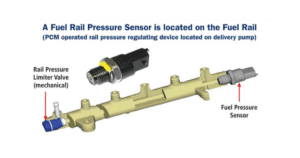 To my surprise, the process was easier than I expected. If your vehicle is showing signs of fuel delivery issues, learning how to test the fuel rail pressure sensor with a multimeter can save you hundreds in unnecessary repairs.
In this guide, I’ll walk you through:
- What a fuel rail pressure sensor does
- Signs of failure
- Step-by-step multimeter testing
- Common mistakes
- Best replacement options
- Buyer’s guide
- FAQs
Let’s dive in.
What Is a Fuel Rail Pressure Sensor?
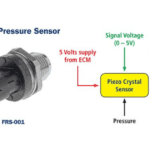
The fuel rail pressure sensor monitors fuel pressure inside your engine’s fuel rail. It sends data to the vehicle’s Engine Control Unit (ECU) so the engine can adjust:
- Fuel injection timing
- Fuel delivery
- Air-fuel ratio
- Engine performance
When the sensor fails, the ECU receives incorrect pressure readings, causing poor engine performance.
Common Symptoms of a Bad Fuel Rail Pressure Sensor
Before grabbing your multimeter, look for these warning signs:
1. Hard Starting
Your engine may crank longer than normal.
2. Poor Fuel Economy
Incorrect readings often cause excessive fuel consumption.
3. Rough Idle
The engine may shake or vibrate while idling.
4. Engine Stalling
Fuel delivery inconsistencies can cause stalling.
5. Check Engine Light
Common diagnostic trouble codes include:
- P0190
- P0191
- P0192
- P0193
- P0194
6. Weak Acceleration
Your vehicle may hesitate during acceleration. I personally experienced rough idle and sluggish throttle response.
Tools Needed to Test Fuel Rail Pressure Sensor
Here’s what you’ll need:
| Tool | Purpose | Average Cost |
| Digital Multimeter | Measure voltage/resistance | $20–$100 |
| OBD2 Scanner | Check fault codes | $30–$150 |
| Safety Gloves | Hand protection | $10 |
| Vehicle Repair Manual | Sensor specifications | $15–$40 |
| Back Probe Pins | Testing connector wires | $10 |
A decent digital multimeter is usually enough for basic testing.
Where Is the Fuel Rail Pressure Sensor Located?
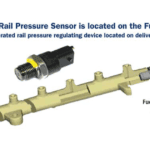
Most vehicles have the sensor mounted directly on:
- Fuel rail
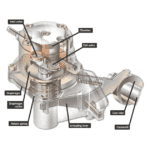
- High-pressure fuel pump
- Near fuel injectors
In direct injection vehicles, it’s commonly attached to the fuel rail. Consult your owner’s manual for exact placement.
How To Test Fuel Rail Pressure Sensor With Multimeter (Step-by-Step)
This is the exact process I used.
Step 1: Turn Off the Engine
Safety first.
- Park on flat ground
- Engage the parking brake
- Turn off ignition
Allow the engine to cool.
Step 2: Locate the Sensor
Find the fuel rail pressure sensor near the fuel rail. It usually has:
- 3 wires
- Electrical connector
These wires typically include:
- Reference voltage wire
- Ground wire
- Signal wire
Step 3: Inspect Wiring
Before testing:
Check for:
- Corrosion
- Broken wires
- Loose connections
- Fuel leaks
Sometimes wiring is the real problem.
Step 4: Test Reference Voltage
Set the multimeter to DC voltage. Turn the ignition to the ON position (engine off). Connect:
- Black probe → ground
- Red probe → reference wire
Most vehicles should read:
Around 5 volts
If no voltage exists:
- ECU issue
- Wiring problem
- Blown fuse
Step 5: Test Ground Wire
Place:
- Red probe → battery positive
- Black probe → sensor ground wire
You should see the battery voltage.
If not:
The ground circuit may be faulty.
Step 6: Test Signal Wire
Now test the signal output.
Start the engine.
Probe the signal wire.
Typical readings:
| Engine Condition | Expected Voltage |
| Ignition ON | 0.5V–1.0V |
| Idle | 1.0V–1.5V |
| Acceleration | 1.5V–4.5V |
These vary depending on vehicle make. If readings remain stuck or fluctuate wildly, the sensor may be failing.
Step 7: Resistance Test (Optional)
- Disconnect the sensor.
- Set the multimeter to ohms.
- Measure resistance between terminals.
- Compare readings with manufacturer specifications.
My Personal Testing Results
When I tested my sensor, the reference voltage was normal. Ground tested fine. But the signal voltage stayed stuck at 4.8V regardless of the throttle input. That confirmed the sensor was faulty. After replacement:
- Smooth idle returned
- Fuel economy improved
- No more stalling
The repair cost me $85 instead of the $400 quote I received.
Fuel Rail Pressure Sensor Testing Methods Comparison
| Testing Method | Accuracy | Cost | Difficulty | Best For |
| Multimeter Test | Good | Low | Easy | DIY owners |
| OBD2 Scanner Live Data | Very Good | Medium | Easy | Diagnostics |
| Fuel Pressure Gauge | Excellent | Medium | Moderate | Advanced users |
| Professional Diagnosis | Excellent | High | Very Easy | Non-DIY owners |
Multimeter testing offers the best balance for most car owners.
Common Mistakes to Avoid
Testing With Engine Running Near Fuel Leaks
Very dangerous.
Ignoring Wiring Problems
Many sensor issues are actually wiring failures.
Using Wrong Multimeter Settings
Always verify the DC voltage mode.
Skipping Vehicle Specs
Different vehicles may have different voltage ranges.
When You Should Replace the Sensor
Replace it if:
- Voltage readings are incorrect
- The signal doesn’t change
- Internal resistance fails
- Physical damage exists
- OBD codes persist
Buyer’s Guide: Choosing a Replacement Fuel Rail Pressure Sensor
If replacement is needed, here’s what to consider.
OEM vs Aftermarket
OEM Sensors
Pros:
- Better fit
- Higher reliability
- Manufacturer warranty
Cons:
- More expensive
Aftermarket Sensors
Pros:
- Affordable
- Widely available
Cons:
- Quality varies greatly
Compatibility
Always verify:
- Vehicle make
- Model
- Year
- Engine type
Warranty
Look for at least:
- 12 months warranty
Brand Reputation
Trusted brands include:
- Bosch
- Delphi Technologies
- Denso
- Standard Motor Products
Average Replacement Cost
| Repair Type | Cost |
| DIY Replacement | $50–$150 |
| Mechanic Replacement | $200–$500 |
| Luxury Vehicles | $500+ |
Labor costs vary by vehicle.
Can You Drive With a Bad Fuel Rail Pressure Sensor?
Technically, yes,s but it’s risky. You may experience:
- Stalling
- Poor acceleration
- Engine damage
- Reduced fuel efficiency
Fix it quickly.
Preventing Future Sensor Failure
- Use quality fuel
- Replace fuel filters regularly
- Avoid contaminated fuel
- Fix fuel leaks quickly
- Maintain electrical connections
Read More: How To Open Lamborghini Gallardo Engine Hood
FAQs: How To Test Fuel Rail Pressure Sensor With Multimeter
Can a bad fuel rail pressure sensor cause no-start issues?
Yes. Incorrect pressure readings can prevent proper fuel delivery.
What voltage should a fuel rail pressure sensor have?
Most use:
- 5V reference
- 0.5V–4.5V signal output
Always verify your vehicle specs.
Can I clean a fuel rail pressure sensor?
Usually no. Replacement is often the better solution.
Will disconnecting the battery reset the sensor?
It may clear temporary codes, but it won’t fix a failed sensor.
Is fuel rail pressure sensor replacement difficult?
On many vehicles, it’s a moderate DIY repair. Some engines are harder due to tight access.
How long does a fuel rail pressure sensor last?
Typically:
100,000+ miles
Though contamination may shorten lifespan.
Can low fuel pressure mimic a bad sensor?
Absolutely. A failing fuel pump or clogged filter can create similar symptoms.
Final Verdict
Learning how to test the fuel rail pressure sensor with a multimeter saved me from replacing unnecessary fuel components. The process is straightforward if you have basic tools and patience.
For DIY mechanics, this is absolutely worth learning. If your readings are off, replacing the sensor may restore performance immediately.