If you own a classic car, an older pickup truck, a motorcycle, or even certain small-engine vehicles, chances are you’ve heard about the carburetor. Although modern vehicles use electronic fuel injection (EFI), millions of carbureted vehicles are still on the road today.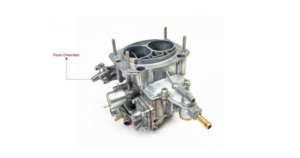 When my older project car started running rough, I initially thought the engine needed major repairs. After a bit of troubleshooting, I discovered the real culprit: a worn-out carburetor.
Replacing it cost far less than I expected and instantly restored smoother idle, better throttle response, and easier cold starts. One of the first questions people ask is:
“How much does a car carburetor cost?”
The answer depends on several factors, including:
- Vehicle make and model
- OEM or aftermarket brand
- Performance level
- New or rebuilt condition
- Labor costs
In this guide, we’ll break down carburetor prices, replacement costs, buying advice, and tips to help you get the best value for your money.
Average Car Carburetor Price
On average, a replacement carburetor costs between $120 and $900 in the U.S., depending on the application.
| Carburetor Type | Average Price |
| Economy Replacement | $120–$250 |
| OEM Replacement | $250–$600 |
| Performance Carburetor | $400–$900+ |
| Rebuilt Carburetor | $100–$350 |
| Racing Carburetor | $700–$1,500+ |
The carburetor itself is only part of the total expense. If you hire a mechanic, labor will increase the overall cost.
Total Replacement Cost
| Expense | Typical Cost |
| Carburetor | $120–$900 |
| Installation Labor | $150–$400 |
| Gaskets & Hardware | $20–$60 |
| Carburetor Adjustment | $50–$120 |
| Total Installed Cost | $300–$1,300 |
Classic muscle cars and performance engines generally cost more because tuning takes additional time.
What Is a Carburetor?
A carburetor is a mechanical device that mixes:
- Air
- Fuel
In the proper ratio before the mixture enters the engine’s combustion chamber. Before electronic fuel injection became standard, nearly every gasoline-powered vehicle relied on a carburetor to regulate engine performance.
Its main job is to provide the correct air-fuel mixture for:
- Starting
- Idling
- Acceleration
- Cruising
- Full-throttle performance
Why Carburetor Prices Vary
Not all carburetors are created equal. Several factors influence the price.
1. Vehicle Compatibility
A carburetor for a compact sedan is usually less expensive than one designed for a V8 performance engine.
2. Brand
Well-known manufacturers typically charge more because of their reputation, build quality, and tuning accuracy.
3. Performance Features
High-performance carburetors often include:
- Larger venturis
- Adjustable jets
- Improved airflow
- Better throttle response
These upgrades naturally increase the price.
4. Material Quality
Premium carburetors use corrosion-resistant metals, precision-machined components, and durable seals, which contribute to a longer lifespan.
5. New vs. Rebuilt
A rebuilt carburetor can save money but may not last as long as a brand-new unit if it wasn’t professionally restored.
Signs Your Carburetor Needs Replacement
Many carburetors can be rebuilt, but severe wear often makes replacement the better option. Common symptoms include:
- Hard starting
- Rough idle
- Poor acceleration
- Black exhaust smoke
- Fuel leaks
- Engine hesitation
- Increased fuel consumption
- Stalling at stoplights
- Strong gasoline smell
- Difficulty maintaining idle speed
If these symptoms persist after cleaning and adjustment, replacement may be the most cost-effective solution.
Carburetor Repair vs. Replacement
| Repair | Replacement |
| Lower upfront cost | Higher initial cost |
| Good for minor issues | Best for severe wear |
| Faster service | Longer installation |
| May require repeated repairs | Long-term reliability |
| Suitable for clean components | Ideal for damaged castings |
If the carburetor body is cracked, heavily corroded, or excessively worn, replacing it is usually the smarter investment.
Is an Expensive Carburetor Worth It?
Not always.
For a daily-driven classic vehicle, a quality OEM or reputable aftermarket replacement often provides excellent reliability without the premium price.
However, if you’re building a performance engine or race car, investing in a high-flow carburetor can improve horsepower, throttle response, and tuning flexibility.
My Experience Replacing a Carburetor
When I replaced the carburetor on an older V8 project vehicle, I expected dramatic power gains. Instead, the biggest improvements were:
- Faster cold starts
- Smooth idle
- Better fuel economy
- Cleaner acceleration
- Elimination of fuel leaks
- Improved engine reliability
It reinforced an important lesson: the right carburetor isn’t always the biggest or most expensive one; it’s the one that matches your engine and driving needs.
Buyer’s Guide: How to Choose the Right Carburetor
Choosing the correct carburetor is more important than simply buying the most expensive model.
Match the Engine Size
Select a carburetor designed for your engine’s displacement and intended RPM range. An oversized carburetor can reduce drivability, while an undersized unit can limit performance.
Consider Your Driving Style
- Daily driver: Stock or mild-performance carburetor.
- Weekend cruiser: Street-performance carburetor with moderate airflow.
- Racing: High-flow carburetor with extensive tuning options.
New or Rebuilt?
A new carburetor generally offers the best reliability, while a professionally rebuilt unit can be an excellent budget-friendly choice if sourced from a reputable supplier.
Look for Complete Kits
Many replacement carburetors include:
- Mounting gasket
- Linkage hardware
- Fuel inlet fittings
- Installation instructions
Buying a complete kit can save time and additional expenses.
Check Warranty Coverage
Choose products backed by a manufacturer’s warranty whenever possible. A longer warranty often reflects better quality control and confidence in the product.
Read Customer Reviews
Verified owner feedback can reveal real-world reliability, ease of installation, and long-term performance that specifications alone don’t show.
Popular Carburetor Brands
The carburetor market offers a wide range of manufacturers, from OEM replacements to high-performance racing models. Here are some of the most trusted brands:
| Brand | Best For | Price Range | Pros | Cons |
| Holley | Performance & Muscle Cars | $350–$1,000+ | Excellent tuning options, high airflow | More expensive |
| Edelbrock | Street Performance | $300–$800 | Easy installation, reliable | Limited racing options |
| Rochester | OEM Replacement | $200–$600 | Factory fit, dependable | Harder to find for older models |
| Carter | Classic Cars | $180–$550 | Good fuel economy, reliable | Fewer modern applications |
| Motorcraft | Ford Vehicles | $250–$650 | OEM quality | Vehicle-specific |
Carburetor Installation Cost
Replacing a carburetor is relatively straightforward on many older vehicles, but labor costs vary depending on the engine layout and tuning requirements.
Typical Labor Charges
| Service | Average Cost |
| Remove Old Carburetor | $50–$100 |
| Install New Carburetor | $100–$200 |
| Tune & Adjust | $50–$120 |
| Test Drive & Inspection | $20–$50 |
| Total Labor | $150–$400 |
DIY installation can save money if you have basic mechanical knowledge and the proper tools.
Can You Replace a Carburetor Yourself?
Yes, many enthusiasts replace carburetors at home. Basic tools include:
- Socket set
- Screwdrivers
- Torque wrench
- Pliers
- Fuel line wrench
- New gasket
After installation, you’ll typically need to:
- Adjust idle speed
- Set the idle mixture
- Check for fuel leaks
- Verify throttle linkage operation
- Fine-tune the choke if applicable
If you’re unfamiliar with carburetor tuning, professional adjustment may improve performance and fuel economy.
How Long Does a Carburetor Last?
A well-maintained carburetor can last 15 to 30 years, and sometimes even longer. Its lifespan depends on:
- Fuel quality
- Regular maintenance
- Driving frequency
- Proper storage
- Environmental conditions
Classic cars that sit unused for long periods often experience carburetor issues due to fuel varnish and clogged passages.
Tips to Extend Carburetor Life
Simple maintenance goes a long way.
- Use fresh gasoline.
- Add a fuel stabilizer during long-term storage.
- Replace the fuel filter regularly.
- Clean the air filter.
- Inspect for fuel leaks.
- Avoid letting old fuel sit in the carburetor.
- Periodically inspect gaskets and vacuum lines.
Routine care helps prevent clogging and corrosion while improving engine performance.
Does a New Carburetor Improve Fuel Economy?
It can. If your old carburetor is:
- Running rich
- Leaking fuel
- Improperly adjusted
- Internally worn
A properly tuned replacement may improve fuel economy by restoring the correct air-fuel mixture.
However, installing a larger performance carburetor won’t necessarily increase fuel efficiency. In some cases, it may actually reduce mileage if it’s oversized for the engine.
Common Carburetor Problems
Even quality carburetors can develop issues over time.
Clogged Jets
Dirt and varnish can restrict fuel flow, causing hesitation or poor acceleration.
Fuel Leaks
Damaged gaskets, warped housings, or worn seals may allow fuel to escape.
Sticking Float
A faulty float can cause flooding or fuel starvation.
Vacuum Leaks
Cracked hoses or worn base gaskets may lead to rough idling and poor performance.
Incorrect Adjustment
Improper idle mixture or float settings can affect drivability and fuel economy.
Common Mistakes Buyers Make
Avoid these mistakes when shopping for a replacement carburetor:
- Buying based only on price
- Choosing the wrong CFM (airflow rating)
- Ignoring engine compatibility
- Purchasing poor-quality knockoffs
- Reusing old gaskets
- Forgetting to replace the fuel filter
- Skipping final tuning after installation
Taking the time to select the correct carburetor will save money and frustration in the long run.
Is a Rebuilt Carburetor Worth Buying?
A professionally rebuilt carburetor can be an excellent choice for:
- Restorations
- Budget-conscious owners
- Hard-to-find classic models
Before purchasing, verify that it includes:
- New gaskets
- New seals
- Replaced worn components
- Pressure testing
- Calibration and adjustment
Buying from a reputable rebuilder increases the chances of long-term reliability.
Should You Repair or Replace?
A rebuild or repair may be sufficient if:
- The carburetor body is undamaged.
- Internal wear is minimal.
- Replacement parts are readily available.
Replacement is often the better option if:
- The housing is cracked.
- Severe corrosion is present.
- The throttle shaft is excessively worn.
- Repeated repairs have failed to resolve performance issues.
Read More: Bad Car AC Pressure Switch Symptoms
FAQs: Car Carburetor Price
How much does a new car carburetor cost?
Most replacement carburetors cost between $120 and $900, depending on the vehicle, brand, and performance level.
How much does carburetor replacement cost?
Including labor, the average replacement cost ranges from $300 to $1,300.
Can I drive with a bad carburetor?
You may be able to drive for a short time, but poor performance, stalling, increased fuel consumption, and engine damage are possible if the issue is ignored.
How long does carburetor installation take?
Most professional installations take 1 to 3 hours, including tuning.
Can a carburetor be repaired instead of replaced?
Yes. Minor issues such as clogged jets, worn gaskets, or sticking floats can often be repaired or addressed with a rebuild kit.
What’s the difference between a rebuilt and a new carburetor?
A rebuilt carburetor has been restored using replacement parts, while a new carburetor is factory-manufactured and generally offers a longer service life.
Will replacing a carburetor increase horsepower?
If your old carburetor was worn or undersized, a properly matched replacement can improve engine performance. However, gains depend on the overall engine setup.
How often should a carburetor be cleaned?
For regularly driven vehicles, inspecting and cleaning the carburetor every 20,000–30,000 miles or whenever performance issues appear is a good practice.
Can bad gasoline damage a carburetor?
Yes. Old or contaminated fuel can leave deposits that clog jets, passages, and floats, leading to poor engine performance.
Is it worth buying a cheap aftermarket carburetor?
Not always. Extremely inexpensive carburetors may have inconsistent quality, poor machining, or shorter service life. Choosing a reputable manufacturer generally provides better long-term value.
Final Verdict
The cost of a car carburetor can range from around $120 for a basic replacement to well over $1,000 for a premium performance model. While price is an important factor, choosing the right carburetor for your vehicle is even more critical.
For most daily-driven classics and older vehicles, a quality OEM or reputable aftermarket carburetor offers the best balance of reliability, performance, and value. Enthusiasts building high-performance engines may benefit from investing in a premium carburetor with greater airflow and tuning flexibility.
Whether you decide to repair, rebuild, or replace your carburetor, regular maintenance and proper adjustment will help your engine run smoothly for years to come.