Yes, a faulty fuel pump can absolutely cause a car not to start. The fuel pump is one of the most important components in your vehicle’s fuel delivery system. Its primary job is to move fuel from the gas tank to the engine at the correct pressure.
When the pump fails or becomes weak, the engine may not receive enough fuel to ignite properly, leaving you stranded with a car that cranks but refuses to start.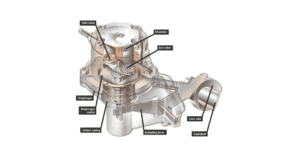 As someone who has dealt with fuel system issues on older and high-mileage vehicles, I can say that fuel pump problems are often overlooked at first. Many drivers immediately suspect the battery, starter, or spark plugs.
However, when the engine turns over normally but never fires up, the fuel pump quickly becomes a prime suspect. In this guide, we’ll explore how a fuel pump works, signs of failure, diagnosis methods, replacement costs, and everything else you need to know.
How Does a Fuel Pump Work?
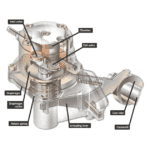
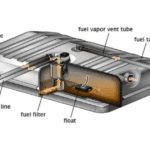
The fuel pump transfers gasoline or diesel fuel from the fuel tank to the engine. Modern vehicles typically use an electric fuel pump mounted inside the fuel tank.
Once you turn the ignition key, the pump activates and builds fuel pressure within the fuel system. The fuel then travels through:
- Fuel lines
- Fuel filter
- Fuel injectors
- Engine combustion chambers
Without adequate fuel pressure, combustion cannot occur properly, preventing the engine from starting.
Can a Bad Fuel Pump Prevent a Car From Starting?
Absolutely. When the fuel pump fails, fuel never reaches the engine in sufficient quantities. As a result:
- Engine cranks but won’t start
- The engine starts and immediately stalls
- The vehicle experiences hard starts
- The engine may sputter before dying completely
In severe cases, the car will appear completely dead despite having a healthy battery and starter.
Signs Your Fuel Pump Is Causing a No-Start Condition
1. Engine Cranks But Won’t Start
This is the most common symptom. The starter motor turns the engine normally, but combustion never begins because insufficient fuel reaches the cylinders.
What You’ll Notice
- Normal cranking speed
- No ignition
- No engine firing
2. No Fuel Pump Sound
Most fuel pumps create a faint humming sound when the ignition is switched on.
Listen For:
- Turn the key to “ON.”
- Don’t start the engine.
- Listen near the fuel tank.
A healthy pump usually hums for 2–3 seconds. No sound may indicate:
- Failed fuel pump
- Bad relay
- Blown fuse
- Wiring issue
3. Loss of Power Before Failure
Fuel pumps often weaken gradually before failing. Symptoms include:
- Hesitation during acceleration
- Reduced power
- Rough idling
- Stalling under load
Many drivers notice these issues weeks or months before the vehicle refuses to start.
4. Hard Starting
A weak pump may eventually build pressure, but not immediately. The result:
- Extended cranking
- Multiple start attempts
- Delayed ignition
5. Sudden Stalling
A failing pump can suddenly stop supplying fuel. This may cause:
- Unexpected stalling
- Engine shutdown while driving
- Difficulty restarting
Fuel Pump Failure vs Other Starting Problems
| Symptom | Fuel Pump | Battery | Starter | Spark Plug |
| Engine Cranks | Yes | Usually No | No | Yes |
| Engine Starts | No | No | No | Sometimes |
| Fuel Smell | Usually No | No | No | Sometimes |
| Clicking Noise | No | Yes | Yes | No |
| Humming From Tank | No | N/A | N/A | N/A |
| Sudden Stall | Common | Rare | Rare | Possible |
This comparison helps narrow down the true cause of a no-start condition.
Common Causes of Fuel Pump Failure
Old Age
Most fuel pumps last:
- 100,000–150,000 miles
- 160,000–240,000 kilometers
Wear eventually affects the electric motor.
Running on Empty Frequently
Many drivers don’t realize that fuel acts as a coolant for the pump. Driving with:
- Less than 1/4 tank regularly
- Frequent low-fuel situations
can shorten fuel pump lifespan.
Contaminated Fuel
Dirt, rust, and debris can damage:
- Pump impeller
- Internal motor
- Fuel filter
Contaminated fuel accelerates wear.
Clogged Fuel Filter
A blocked filter forces the pump to work harder. This creates:
- Increased load
- Higher operating temperatures
- Premature failure
Electrical Problems
Fuel pumps rely on:
- Fuses
- Relays
- Wiring
- Vehicle computer controls
Electrical faults can mimic pump failure.
How to Diagnose a Bad Fuel Pump
Before replacing the pump, perform a few checks.
Step 1: Listen for Pump Operation
- Turn the ignition to ON.
- Listen carefully for a buzzing or humming sound.
- No sound could indicate failure.
Step 2: Check Fuel Pump Fuse
Locate the fuse box.
Inspect:
- Fuel pump fuse
- Fuel system fuse
Replace any blown fuse.
Step 3: Inspect Fuel Pump Relay
- Relays commonly fail.
- Swap relay with an identical known-good relay if available.
Step 4: Check Fuel Pressure
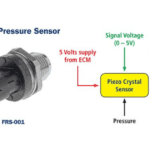
A fuel pressure gauge provides the most accurate diagnosis.
Normal Pressure
Most gasoline vehicles require:
- 40–65 PSI
Low pressure strongly indicates:
- Weak fuel pump
- Clogged filter
- Fuel line restriction
Step 5: Scan for Trouble Codes
OBD-II scanners may reveal:
- Fuel pressure issues
- Lean conditions
- Fuel system faults
Diagnostic codes help narrow the problem.
What Happens When a Fuel Pump Completely Fails?
When the pump dies completely:
- Fuel pressure drops to zero
- Injectors receive no fuel
- Combustion stops
- The engine will not start
At this point, replacement is usually necessary.
Can a Weak Fuel Pump Start a Car?
Sometimes. A weak pump may:
- Startthe vehicle occasionally
- Fail when the engine is hot
- Cause intermittent no-start conditions
This often confuses owners because the problem seems random.
Can You Drive With a Failing Fuel Pump?
Technically, yes, but it’s risky. A failing pump may leave you stranded without warning. Common consequences include:
- Unexpected stalling
- Poor acceleration
- Reduced fuel efficiency
- Complete breakdown
Repairing the issue early is usually cheaper and safer.
Fuel Pump Replacement Cost
Repair costs vary by vehicle.
| Vehicle Type | Average Cost |
| Economy Car | $300–$700 |
| Mid-Size Sedan | $400–$900 |
| SUV | $500–$1,200 |
| Luxury Vehicle | $700–$2,000+ |
| Truck | $500–$1,500 |
Labor often represents a large portion of the bill because the fuel tank may need removal.
Should You Replace the Fuel Filter Too?
In most cases, yes. Replacing both components together helps:
- Protect the new pump
- Improve fuel flow
- Prevent repeat failures
Many professional mechanics recommend it.
My Personal Experience With Fuel Pump Problems
One of the most frustrating no-start situations I encountered involved a vehicle that had a perfectly good battery and starter. The engine cranked strongly every time, yet it never fired.
Initially, I suspected ignition issues. After checking spark and battery voltage, I noticed the usual fuel pump hum was missing. A fuel pressure test confirmed zero pressure.
The culprit turned out to be a failed fuel pump module. After replacement, the vehicle started instantly and ran normally. That experience reinforced an important lesson: when a car cranks but won’t start, never overlook the fuel pump.
Buyer’s Guide: Choosing a Replacement Fuel Pump
Selecting the right replacement fuel pump matters for reliability and performance.
Choose OEM or High-Quality Aftermarket
Premium manufacturers generally provide:
- Better durability
- Correct fuel pressure
- Improved fitment
Cheap pumps often fail prematurely.
Verify Vehicle Compatibility
Check:
- Year
- Make
- Model
- Engine size
Even similar vehicles may require different pumps.
Consider Complete Fuel Pump Modules
Complete assemblies often include:
- Pump
- Sending unit
- Strainer
- Housing
Installation becomes easier and more reliable.
Check Warranty Coverage
Good replacement pumps often offer:
- 1-year warranty
- Limited lifetime warranty
- Manufacturer support
Longer coverage usually indicates higher confidence in product quality.
Read Customer Reviews
Look for feedback regarding:
- Longevity
- Noise level
- Installation ease
- Reliability
Real-world experiences can reveal potential issues.
Preventing Fuel Pump Failure
You can extend fuel pump life by:
- Keeping at least 1/4 tank of fuel
- Replacing fuel filters regularly
- Using quality fuel
- Avoiding contaminated fuel stations
- Addressing fuel system problems early
These habits reduce stress on the pump.
Read More: Car Sensor Repair Cost
FAQs: Can Fuel Pump Cause Car Not To Start
Can a fuel pump suddenly stop working?
Yes. While many pumps weaken gradually, some fail without warning and immediately prevent the engine from starting.
Will a bad fuel pump throw a code?
Sometimes. However, many fuel pump failures occur without triggering a diagnostic trouble code.
Can a bad fuel pump drain the battery?
Not directly. Repeated starting attempts may eventually discharge the battery.
How long does a fuel pump last?
Most fuel pumps last between 100,000 and 150,000 miles, though some survive much longer with proper maintenance.
Can a car start with a weak fuel pump?
Yes. A weak pump may provide enough pressure for occasional starts but will eventually worsen over time.
What does a bad fuel pump sound like?
Common sounds include:
- Loud whining
- High-pitched humming
- Unusual buzzing
Excessive noise often indicates wear.
Can low fuel damage a fuel pump?
Yes. Frequently driving near empty can cause overheating and reduce pump lifespan.
Is replacing a fuel pump difficult?
It depends on the vehicle. Some pumps are accessible under the rear seat, while others require removal of the fuel tank.
Can a clogged fuel filter mimic fuel pump failure?
Absolutely. Both problems can create low fuel pressure and similar symptoms.
Should I replace the fuel pump myself?
Experienced DIY mechanics can often perform the repair. However, working with fuel systems requires proper safety precautions.
Final Verdict
So, can a fuel pump cause a car not to start? Without question, yes. A failing or failed fuel pump is one of the most common causes of an engine that cranks normally but refuses to start.
Because the pump supplies fuel to the engine, even a small loss in pressure can create starting problems, while complete failure will leave the vehicle unable to run at all.
If your car cranks but won’t start, exhibits hard-start symptoms, stalls unexpectedly, or lacks the characteristic fuel pump hum, inspecting the fuel system should be a top priority.
Early diagnosis can save money, prevent breakdowns, and get your vehicle back on the road before a minor issue becomes a major inconvenience.